




RSPA Increases Hazmat Fines
Effective at the end of the month, the Research and Special Programs Administration (RSPA) has increased the maximum civil penalty from $27,500 to $32,500
Effective at the end of the month, the Research and Special Programs Administration (RSPA) has increased the maximum civil penalty from $27,500 to $32,500
for a knowing violation of federal hazardous materials transportation law or a regulation issued under the law.
The minimum penalty has been increased from $250 to $275.
RSPA says it will also look back six calendar years instead of five for prior violations in determining the amount of a penalty.
The agency published a list of revised baseline assessments for frequently cited violations.
These include:
-- Failure to register for offering or carrying hazardous materials, $1,000 + $500 each additional registration fee;
-- Failure to provide initial training to hazmat employees, $250-$700 and up depending on the number of employees;
--Failure to provide in-depth security training when a security plan is required, $2,500;
-- Failure to create and maintain training records, $500-$800 and up;
-- Failure to develop a security plan, $6,000 and up;
-- Failure to put security plan in writing, $2,000 and up;
-- Offering a hazardous material for transportation without shipping papers, markings, labels or placards, $15,000 and up;
-- Failure to properly placard a freight container or vehicle containing hazardous materials, $1,000 - $9,000;
-- Failure to give immediate notification of a reportable hazardous materials incident, $3,000;
--Failure to file a written haz-mat incident report within 30 days following an unintentional release in transportation, $500-$2,500;
-- Failure to retain shipping papers as required by regulation, $1,000;
-- Transporting hazmat packages that haven’t been secured against movement, $3,000;
-- Failure to properly segregate hazardous materials, $7,500 and up.
The complete list, plus other administrative changes was published in Monday’s Federal Register, which can be accessed at www.gpoaccess.gov.
More Drivers
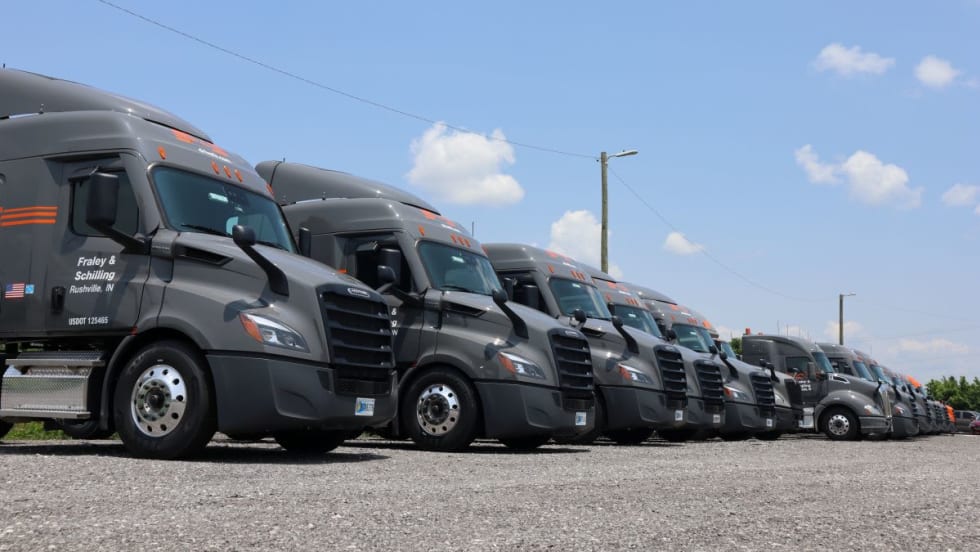
How Fraley & Schilling Improved Logbook Compliance by Over 50%
Fraley & Schilling needed a way to close a compliance workflow gap in its ELD system without adding more work from driver training, reminders, and back-office follow-ups. It found the answer in a custom driver app.
Read More →
Volvo Goes Gaming
Volvo has roared into American Truck Simulator with two new flagship trucks.
Read More →
What the Best Fleets to Drive For Teach About Driver Retention
Survey fatigue, AI-powered routing, owner-operator expectations, and the decline of social media all emerged as themes from this year's Best Fleets to Drive For program.
Read More →
Driver Retention Lessons From the Best Fleets to Drive For
What separates trucking's best workplaces from the rest? Jane Jazrawy shares the biggest lessons from this year's Best Fleets to Drive For program on driver retention, communication, AI, and workforce trends on the HDT Talks Trucking podcast.
Read More →
Farewell, CDL: Why I'm Giving Up My Commercial Driver's License
After more than 20 years as a CDL holder, HDT Executive Editor Jack Roberts is letting his commercial license expire. Not because he wants to — but because trucking's nuclear verdict crisis has made the risks of public-road test drives too great for editors, manufacturers, and everyone involved.
Read More →
How Top Trucking Fleets Improve Driver Retention [Video]
What do healthy snacks, optimized routing, and just picking up the phone have in common? They're all strategies the Best Fleets to Drive For are using to retain truck drivers.
Read More →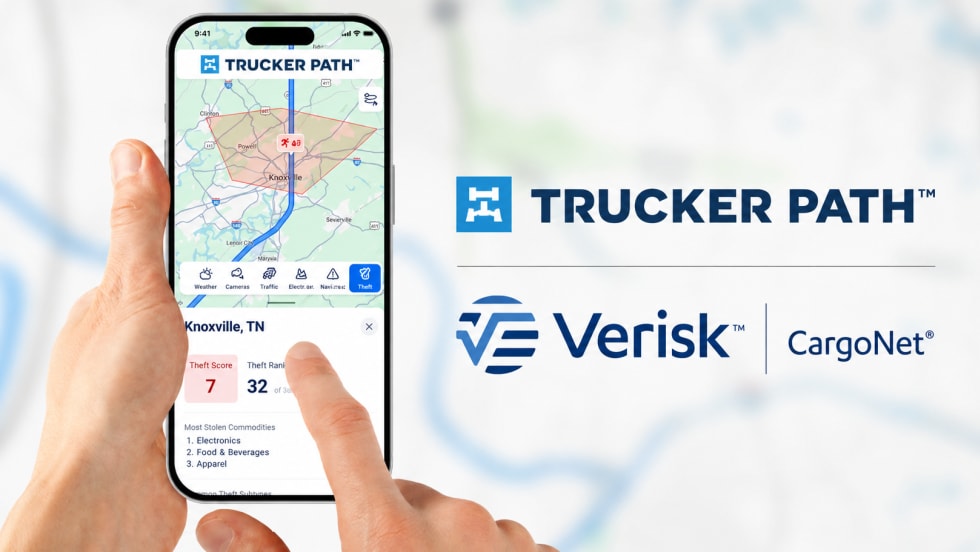
Trucker Path Adds Verisk CargoNet Theft Data to Navigation Platform
Trucker Path’s new cargo theft risk overlays give drivers and fleets visibility into high-risk areas, stolen commodity trends, and theft hotspots.
Read More →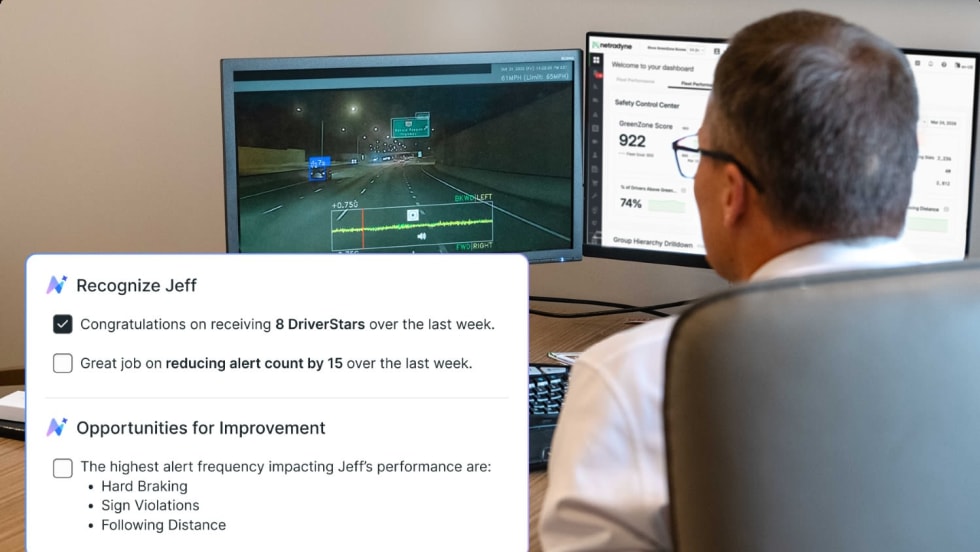
Netradyne Intelligence Uses New AI Agents to Automate Response to In-Cab Camera Data
The company called the next-generation in-cab camera safety platform "a fundamental shift from systems that report on what happened to systems that actively drive what should happen next."
Read More →
Why Truck Detention Keeps Costing Fleets Time and Money
A 2024 ATRI study found detention affects nearly 40% of truckload stops and costs the industry more than $15 billion annually. Despite the toll on drivers, fleets, and supply chains, the problem remains stubbornly persistent.
Read More →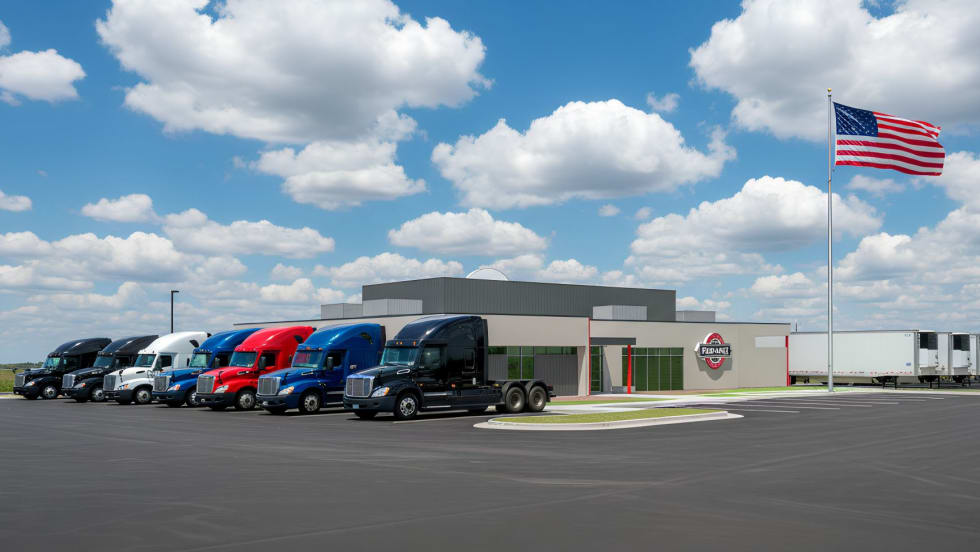
Prime Inc. to Open $7.9M Flagship Used-Truck Dealership
A new driver-focused facility to sell Prime Inc's used trucks and trailers will be the first purpose-built location in the company's history.
Read More →