




RIP: Trucking Company Undercharges
The book can finally be closed on the trucking company "undercharge epidemic.
The book can finally be closed on the trucking company "undercharge epidemic."
The Journal of Commerce newspaper reports the Surface Transportation Board has settled the last undercharge case stemming from the 1990s. In these incidents, a bankrupt carrier or its trustee tried to collect from a shipper the difference between what they paid and the actual rate the carrier had on file with the now defunct Interstate Commerce Commission.
The STB ended the matter by denying the effort of the bankruptcy estate of Willig Freight Lines in trying to collect claims from Shuford Mills for hauls made from 1993 and 1994.
Trucking company undercharges became widespread in the early 1990s, thanks to a 1990 ruling by the U.S. Supreme Court that found such claims were valid. The decision help spur many undercharge claims, eventually totaling some $27 billion being billed to shippers.
One widely reported case in particular illustrates the epidemic. Lloyd Whitaker was the trustee for long-bankrupt trucking company PIE Nationwide. Whitaker made it his mission in life to recover every penny he could. He went so far to even try to force a group of nuns to pay the difference in the filed rate and what they actually paid the carrier for services. Whitaker was unapologetic, saying he was just doing his job.
Congress finally stepped in and passed the Negotiated Rates Act of 1993, allowing the ICC, and later the STB, to say claims of undercharges were wrong. The bill was pushed by current Secretary Of Transportation nominee Normal Mineta when he was in Congress.
More Drivers

Competition Heating Up for Truck Drivers
New report reveals rising driver hiring costs, the return of sign-on bonuses, growing AI advantages, and the operational factors shaping driver retention.
Read More →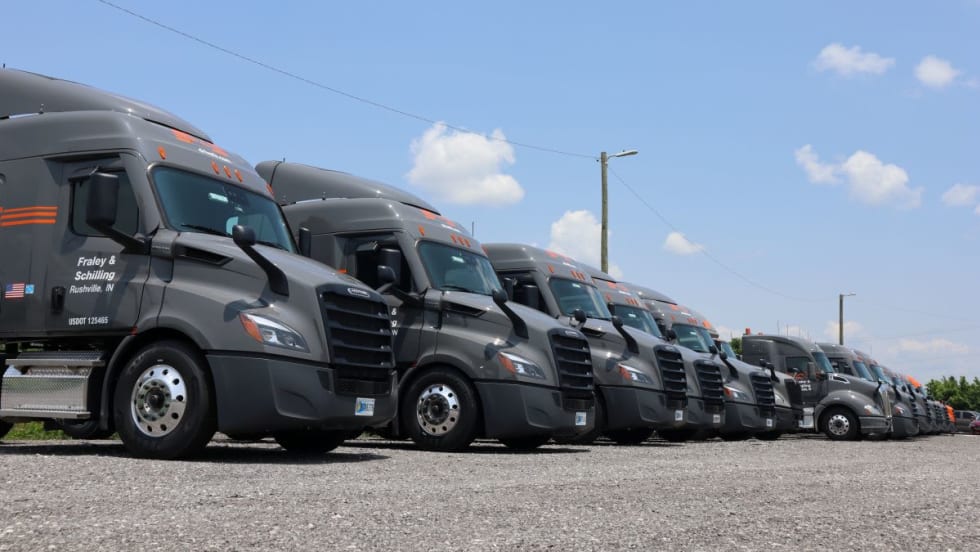
How Fraley & Schilling Improved Logbook Compliance by Over 50%
Fraley & Schilling needed a way to close a compliance workflow gap in its ELD system without adding more work from driver training, reminders, and back-office follow-ups. It found the answer in a custom driver app.
Read More →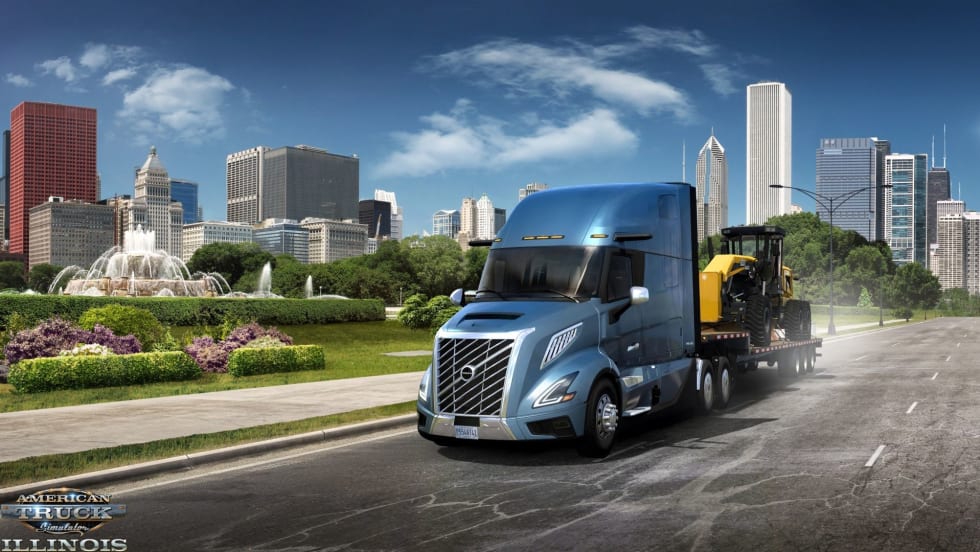
Volvo Goes Gaming
Volvo has roared into American Truck Simulator with two new flagship trucks.
Read More →
What the Best Fleets to Drive For Teach About Driver Retention
Survey fatigue, AI-powered routing, owner-operator expectations, and the decline of social media all emerged as themes from this year's Best Fleets to Drive For program.
Read More →
Driver Retention Lessons From the Best Fleets to Drive For
What separates trucking's best workplaces from the rest? Jane Jazrawy shares the biggest lessons from this year's Best Fleets to Drive For program on driver retention, communication, AI, and workforce trends on the HDT Talks Trucking podcast.
Read More →
Farewell, CDL: Why I'm Giving Up My Commercial Driver's License
After more than 20 years as a CDL holder, HDT Executive Editor Jack Roberts is letting his commercial license expire. Not because he wants to — but because trucking's nuclear verdict crisis has made the risks of public-road test drives too great for editors, manufacturers, and everyone involved.
Read More →
How Top Trucking Fleets Improve Driver Retention [Video]
What do healthy snacks, optimized routing, and just picking up the phone have in common? They're all strategies the Best Fleets to Drive For are using to retain truck drivers.
Read More →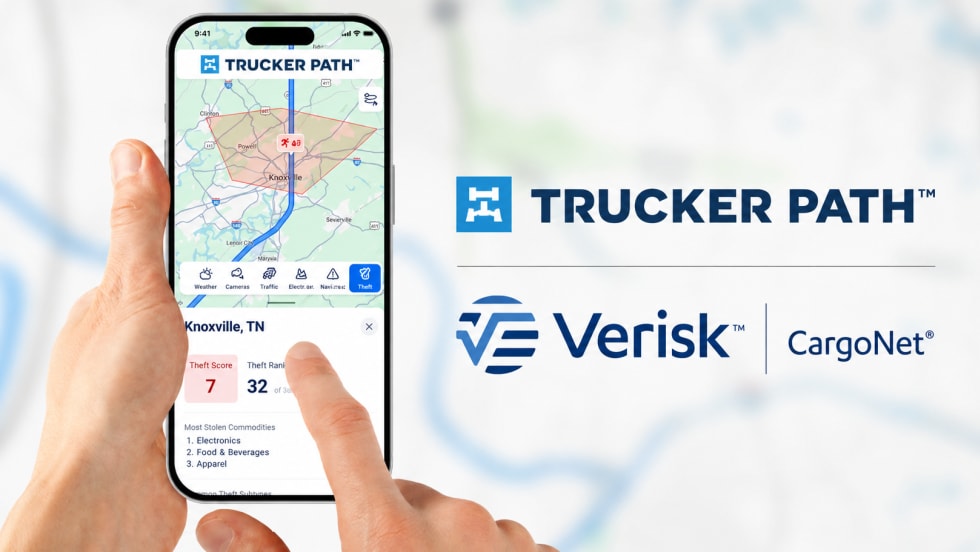
Trucker Path Adds Verisk CargoNet Theft Data to Navigation Platform
Trucker Path’s new cargo theft risk overlays give drivers and fleets visibility into high-risk areas, stolen commodity trends, and theft hotspots.
Read More →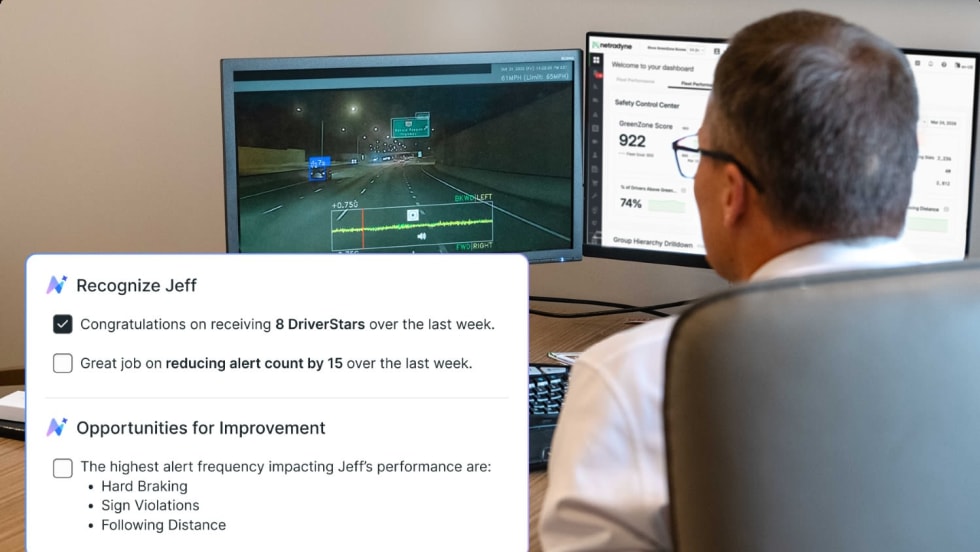
Netradyne Intelligence Uses New AI Agents to Automate Response to In-Cab Camera Data
The company called the next-generation in-cab camera safety platform "a fundamental shift from systems that report on what happened to systems that actively drive what should happen next."
Read More →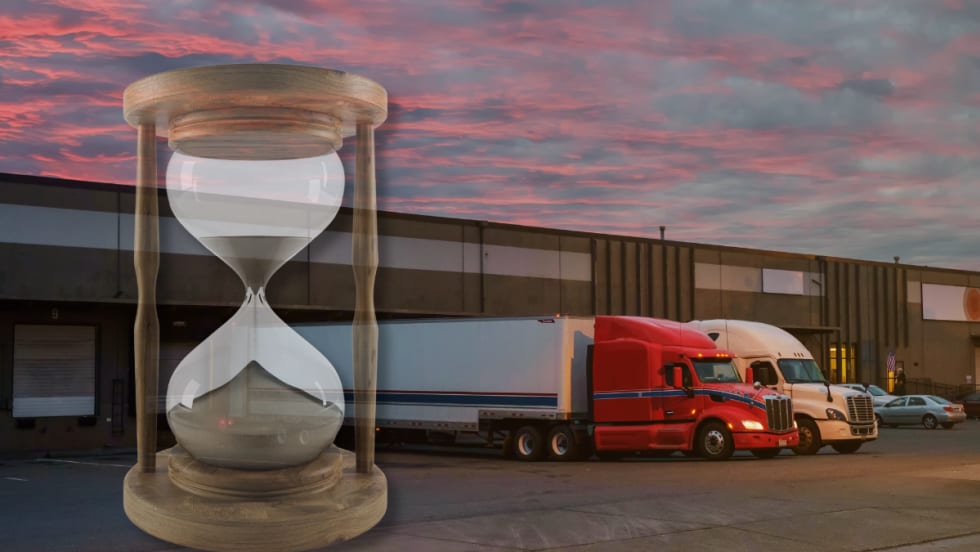
Why Truck Detention Keeps Costing Fleets Time and Money
A 2024 ATRI study found detention affects nearly 40% of truckload stops and costs the industry more than $15 billion annually. Despite the toll on drivers, fleets, and supply chains, the problem remains stubbornly persistent.
Read More →