




Research Backs Longer, Heavier Trucks
A study requested by Congress recommends that the federal government consider allowing heavier trucks and longer combination vehicles on Interstate highways
A study requested by Congress recommends that the federal government consider allowing heavier trucks and longer combination vehicles on Interstate highways.
The report by the National Academies' Transportation Research Board was requested by Congress as part of 1998 highway funding legislation. The findings of this study will no doubt be part of the reauthorization debate next year.
With bigger vehicles, the research notes, freight can be moved at lower costs. But given federal size limits, larger trucks sometimes bypass interstate highways -- the safest and most efficient roads -- to use secondary roads where accidents are more likely to happen and maintenance costs are higher.
States should be allowed to issue permits for the operation of six-axle tractor-trailers weighing up to 90,000 pounds, the report says. The current federal limit is 80,000 pounds, and the standard tractor-trailer has five axles. Compared to the five-axle truck, the six-axle truck reduces shipping costs moderately, and its lower weight-per-axle ratio cuts down on pavement wear. However, increasing the total weight of trucks increases bridge construction and maintenance costs.
The report also recommended that double trailers as long as 33 feet each should be permitted, making the trailers 5 feet longer than the 28-foot double trailers that are most common today, the report says.
These double trailers and the 90,000-pound tractor-trailers should only be operated in states that choose to allow them, and only by carriers who receive special permits from the states, added the committee. Participating states would be required to meet federal standards regarding enforcement, fees paid by permit recipients, safety requirements, and management of effects on bridges.
The committee that wrote the report said Congress should charter a new federal organization to oversee implementation of federal regulations and evaluate their results, carry out pilot studies and research to determine the impact of trucks on highways, and recommend new regulations based on its findings.
“We discovered a lack of information about the costs and benefits of larger trucks and the impact of regulations,” said the committee chairman. “To determine and enact limits that are based on facts, this nation needs a program that observes and evaluates the consequences of truck traffic.”
Darrin Roth, director of highway operations for the American Trucking Associations, told the Associated Press that “there really is no correlation between increased weight and reduced safety. Given the record and given the research, the opposite is true. You can increase weight and have a safety benefit.”
More Drivers
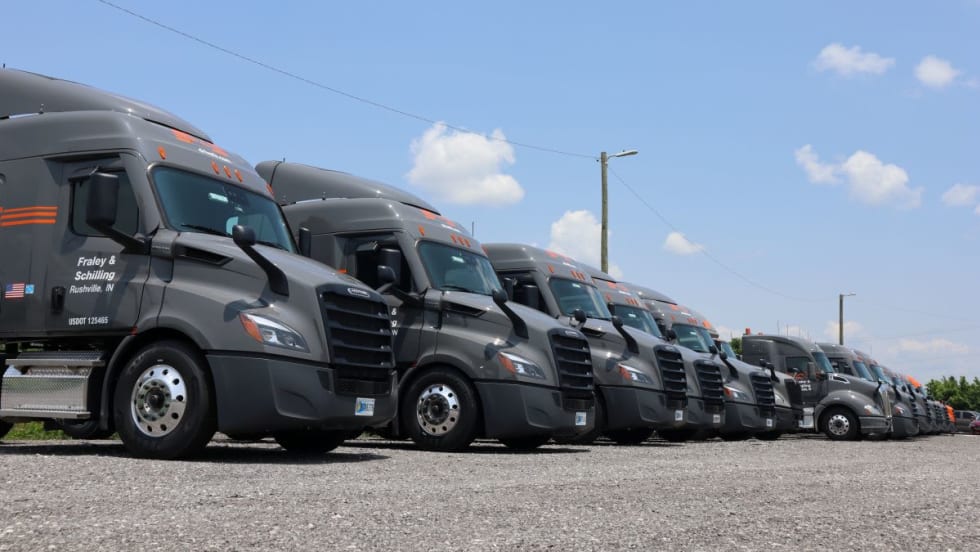
How Fraley & Schilling Improved Logbook Compliance by Over 50%
Fraley & Schilling needed a way to close a compliance workflow gap in its ELD system without adding more work from driver training, reminders, and back-office follow-ups. It found the answer in a custom driver app.
Read More →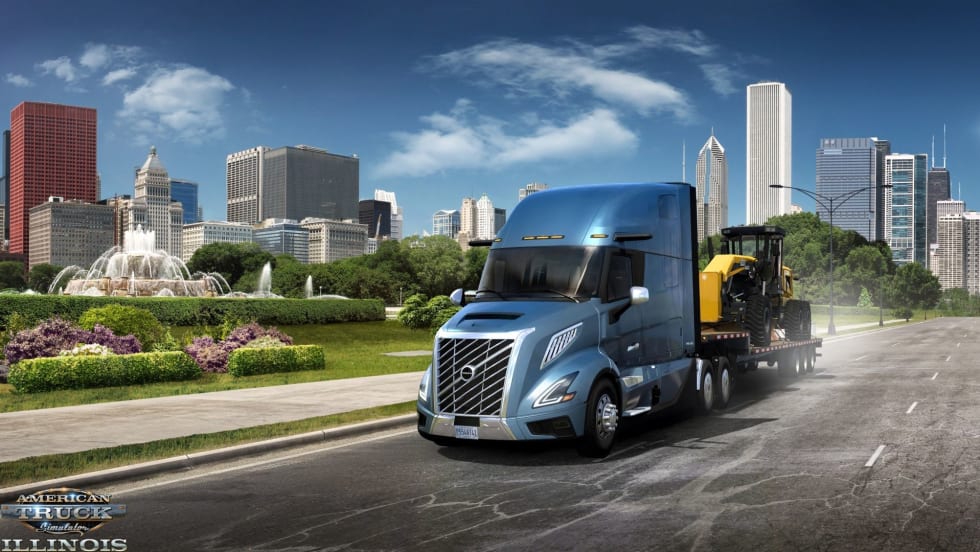
Volvo Goes Gaming
Volvo has roared into American Truck Simulator with two new flagship trucks.
Read More →
What the Best Fleets to Drive For Teach About Driver Retention
Survey fatigue, AI-powered routing, owner-operator expectations, and the decline of social media all emerged as themes from this year's Best Fleets to Drive For program.
Read More →
Driver Retention Lessons From the Best Fleets to Drive For
What separates trucking's best workplaces from the rest? Jane Jazrawy shares the biggest lessons from this year's Best Fleets to Drive For program on driver retention, communication, AI, and workforce trends on the HDT Talks Trucking podcast.
Read More →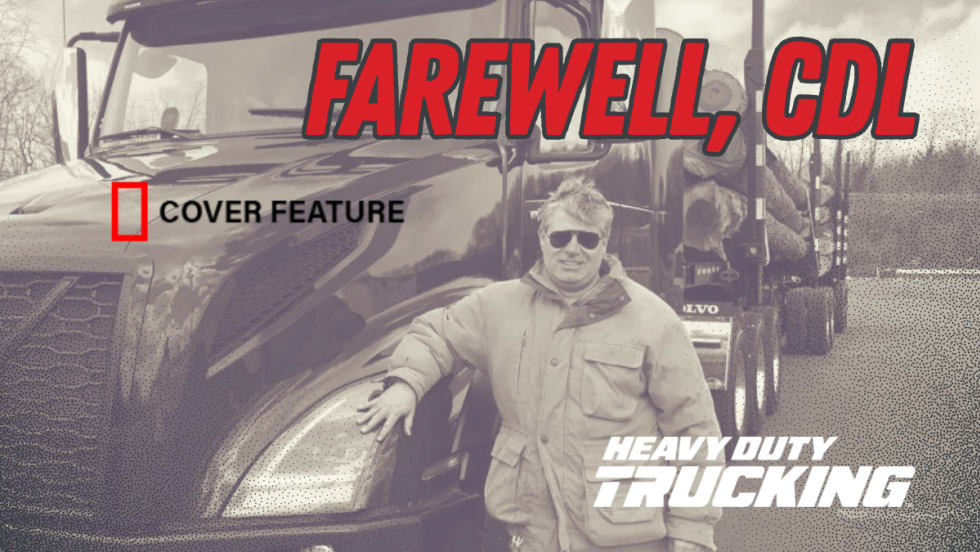
Farewell, CDL: Why I'm Giving Up My Commercial Driver's License
After more than 20 years as a CDL holder, HDT Executive Editor Jack Roberts is letting his commercial license expire. Not because he wants to — but because trucking's nuclear verdict crisis has made the risks of public-road test drives too great for editors, manufacturers, and everyone involved.
Read More →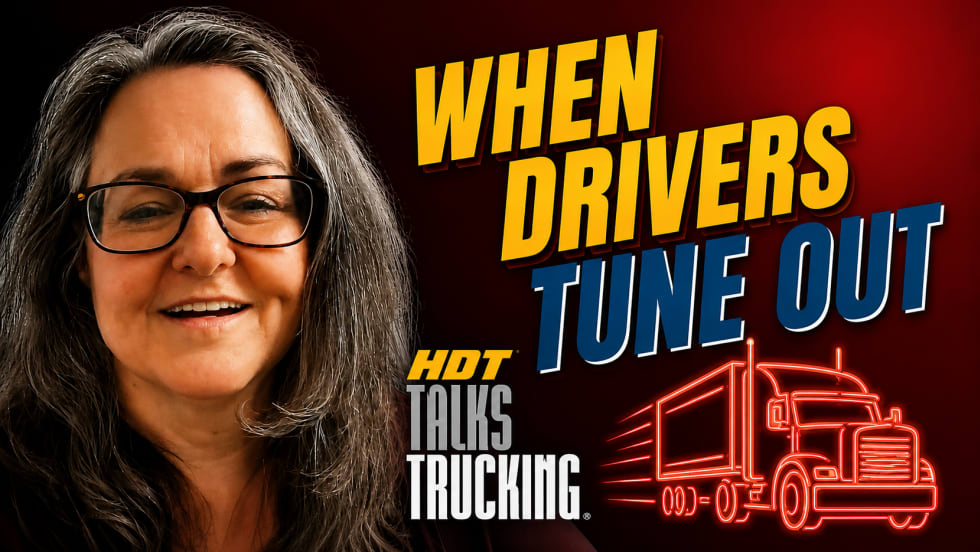
How Top Trucking Fleets Improve Driver Retention [Video]
What do healthy snacks, optimized routing, and just picking up the phone have in common? They're all strategies the Best Fleets to Drive For are using to retain truck drivers.
Read More →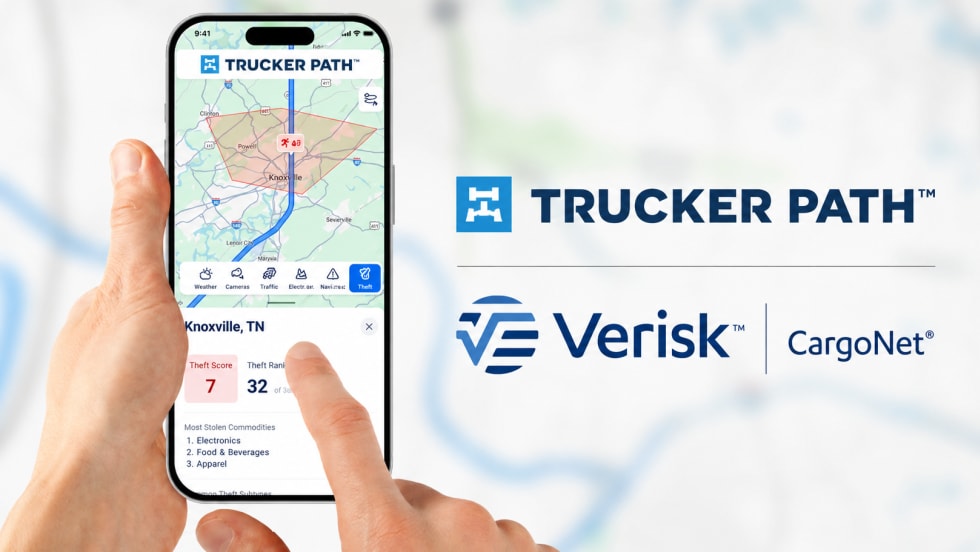
Trucker Path Adds Verisk CargoNet Theft Data to Navigation Platform
Trucker Path’s new cargo theft risk overlays give drivers and fleets visibility into high-risk areas, stolen commodity trends, and theft hotspots.
Read More →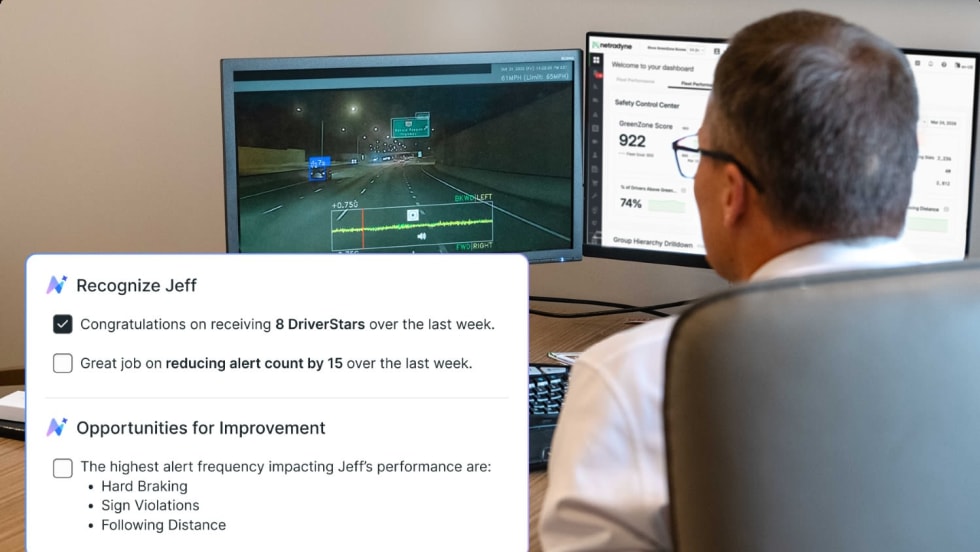
Netradyne Intelligence Uses New AI Agents to Automate Response to In-Cab Camera Data
The company called the next-generation in-cab camera safety platform "a fundamental shift from systems that report on what happened to systems that actively drive what should happen next."
Read More →
Why Truck Detention Keeps Costing Fleets Time and Money
A 2024 ATRI study found detention affects nearly 40% of truckload stops and costs the industry more than $15 billion annually. Despite the toll on drivers, fleets, and supply chains, the problem remains stubbornly persistent.
Read More →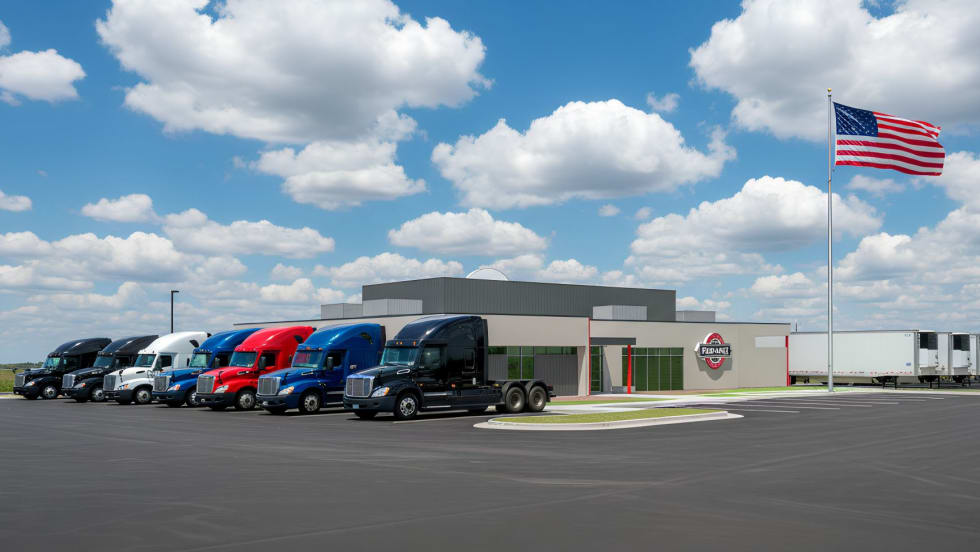
Prime Inc. to Open $7.9M Flagship Used-Truck Dealership
A new driver-focused facility to sell Prime Inc's used trucks and trailers will be the first purpose-built location in the company's history.
Read More →