




Report, Task Force Calls for Incentives to Grow American Advanced Truck Industry
A blue-ribbon task force of more than 40 truck industry leaders from fleets, the manufacturing sector and suppliers Tuesday called for performance-based incentives and policies to accelerate American leadership in the global advanced truck market
A blue-ribbon task force of more than 40 truck industry leaders from fleets, the manufacturing sector and suppliers Tuesday called for performance-based incentives and policies to accelerate American leadership in the global advanced truck market.
Their recommendations are part of a report released by CalStart, "Speeding High-Efficiency Truck Adoption."
The top measures called for include:
* A voucher purchase program for high efficiency heavy-duty (HEHD) trucks that rewards technologies that provide multiple benefits
* Expanded R&D funding targeted at efficient truck technologies
* Grants to support expanded domestic manufacturing of advanced trucks and components
CalStart convened the task force to identify key user and industry needs and help develop the recommendations contained in the report. The critical supporting policies and incentives are designed to ensure that new truck fuel economy and carbon emission regulations proposed by the federal government -- and the benefits from those regulations -- have the best chance of transforming the trucking sector. Task force members support the new regulations, but felt the regulations alone were not sufficient.
"High-efficiency trucks are a win-win not only for the people that produce and use these trucks, but for our nation overall," said CalStart President and CEO John Boesel. "Ultimately, the truck industry and fleets want to see a transition toward more efficient trucks, but to get there they need support from a comprehensive policy package that includes both carrots and sticks."
The task force cites upfront technology cost as the largest barrier to faster adoption of more efficient technology and identified several strategies to improve the economics and speed the transition to more efficient trucks.
Primary among the recommendations is an innovative incentive structure for accelerating clean truck purchases. The task force calls for a novel "next generation" voucher incentive program that is performance-based, with greater funding going to solutions that provide greater overall benefits. The idea is that the incentive levels should partially reward users for the multiple benefits provided by different advanced technologies, including air quality improvement, petroleum reduction, and climate change benefits.
This is a departure from most existing incentive programs, which either target specific technologies or focus on just one policy goal, such as reductions in smog-forming emissions.
The report also highlights a need for substantial research and development funding for advanced truck technologies. Fleets, manufacturers, and suppliers in the task force all identified ongoing R&D funding as a key industry need, particularly in the medium to long term.
Finally, the report recommends manufacturing grants as a key way to support the domestic manufacturing of advanced trucks and truck technologies. Passenger car manufacturers have access to this sort of support through the federal Advanced Vehicle Technology Manufacturing Incentive Program. The report recommends expanding this program to include medium- and heavy-duty vehicle manufacturing. CalStart and the Task Force members believe this would support the growth of the domestic high-efficiency truck industry while reducing costs and supporting the transition to cleaner trucks.
Funding for the report, "Speeding High-Efficiency Truck Adoption: Recommended Policies, Incentives and Investments," was provided by the Energy Foundation. A downloadable copy is available here.
More Aftermarket
What Three Fleets Are Doing Differently When Buying Truck Parts in 2026
With freight improving but costs still climbing, fleet maintenance executives explain how they're balancing price, quality, and supplier relationships.
Read More →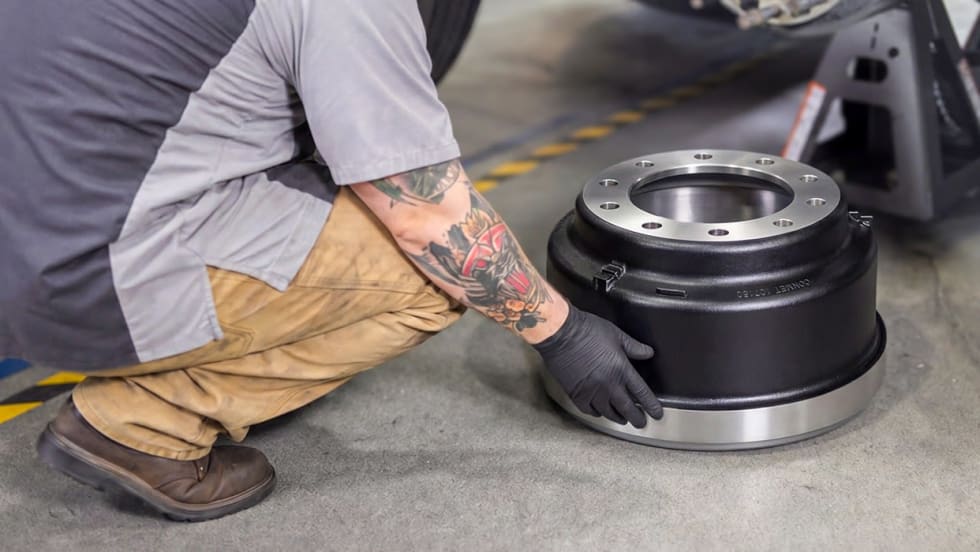
ConMet Expands Aftermarket Brake Drum Lineup With TruCast
A new heavy-duty truck brake drum option in the aftermarket gives customers more flexibility within the ConMet product family.
Read More →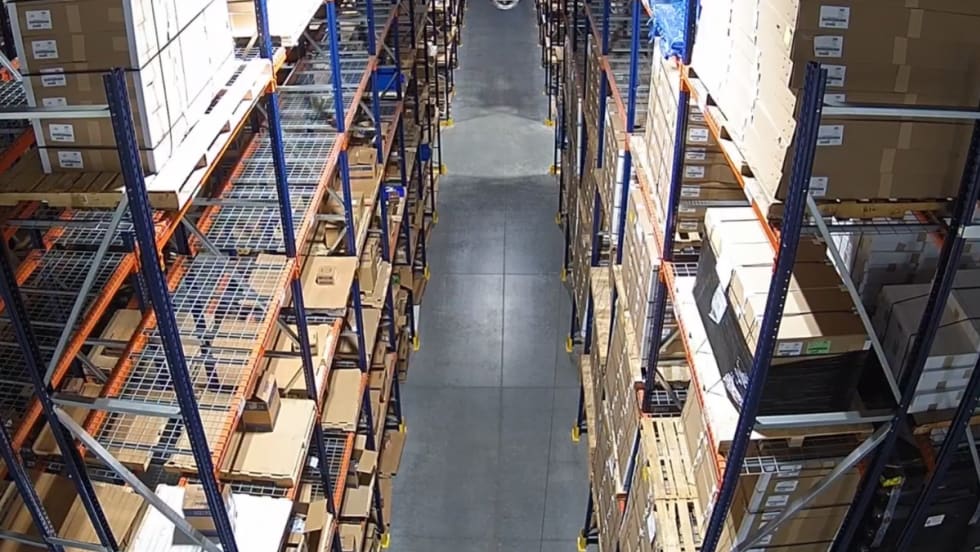
Phillips Opens High-Tech Distribution Center for Faster Parts Delivery
Phillips Industries’ new Cincinnati-area distribution center is now shipping aftermarket trucking parts nationwide, aiming to speed up delivery times for customers.
Read More →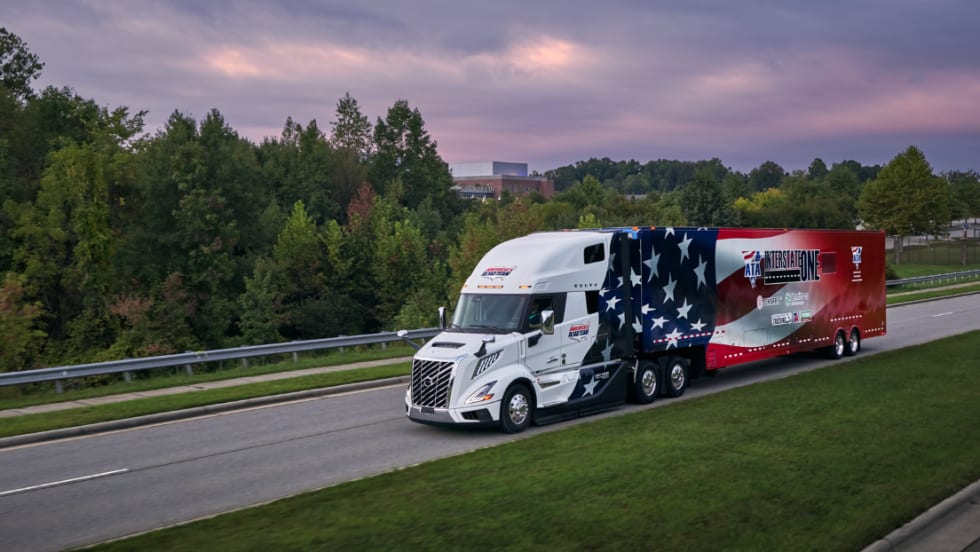
Volvo to Sponsor America’s Road Team for 2025
Volvo Trucks announced that it is extending its exclusive sponsorship of America’s Road Team for 2025.
Read More →
Webb to Start Taking Orders for UltraSet Pre-Adjusted Wheel Hubs
Webb, which recently acquired the Stemco Trifecta pre-adjusted hub program, will soon start taking orders for its replacement pre-assembled hub, the UltraSet.
Read More →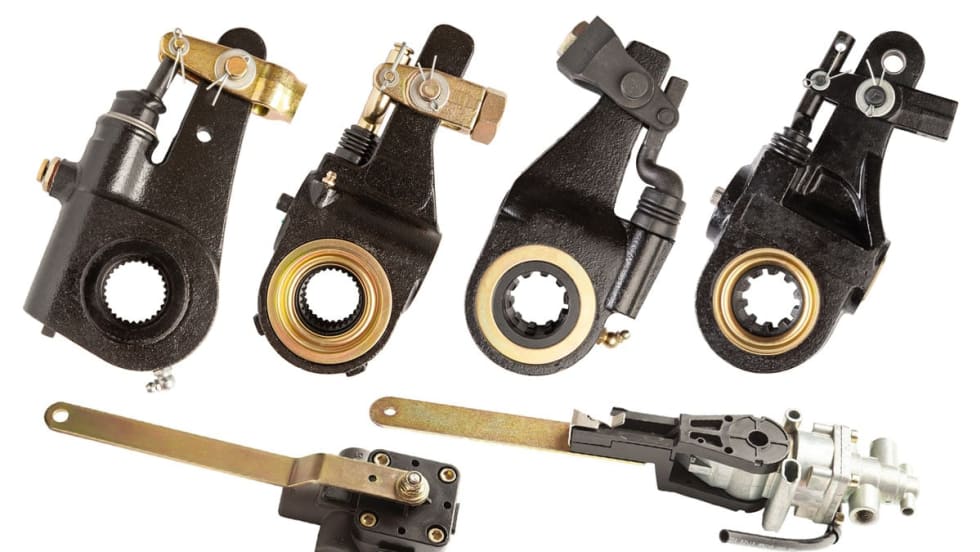
All-Makes Automatic Brake Adjusters, Ride Height Control Valves from Midland
SAF-Holland has added automatic brake adjusters and ride height control valves to its Midland All-Makes Program.
Read More →
ZF Aftermarket Expands [pro]Academy Training
ZF Aftermarket said it is expanding its ZF [pro]Academy training and will be adding 40 new modules this year.
Read More →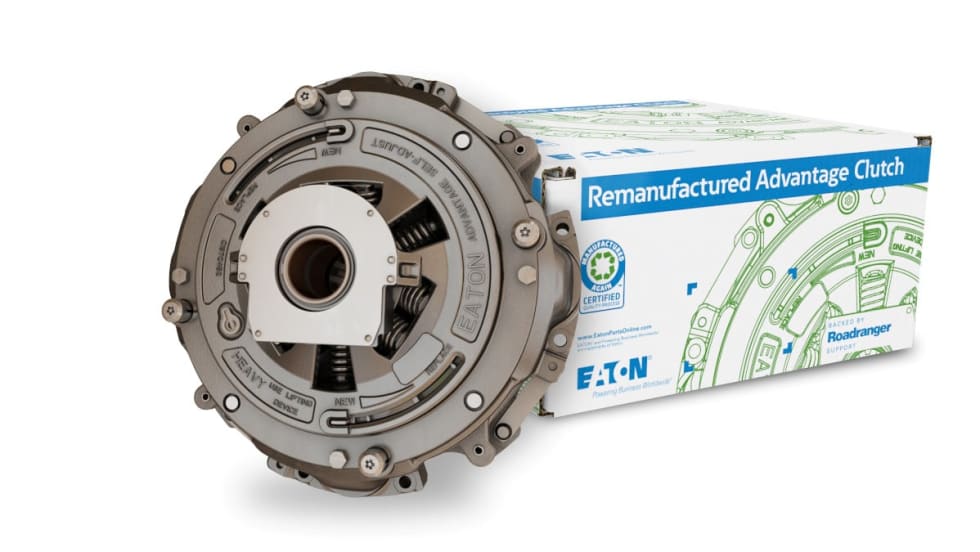
Eaton Adds Remanufactured Advantage Line of Clutches
Eaton has added its Advantage clutches to its remanufactured product line. The clutches feature a unique strap drive intermediate plate designed to allow customers to choose the latest OE specification
Read More →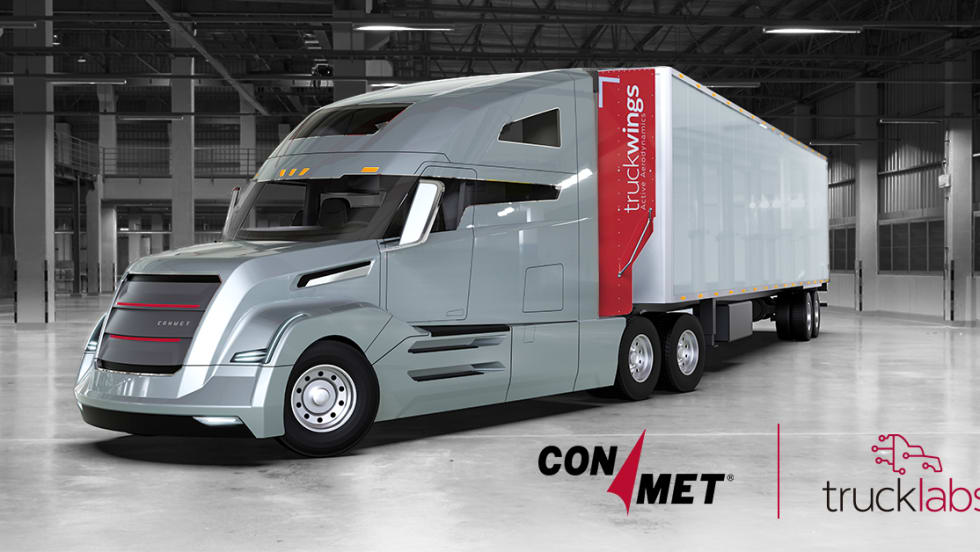
ConMet Acquires TruckLabs, the Creator of TruckWings
Commercial truck and trailer parts provider ConMet acquired TruckLabs, the company that created TruckWings, an aerodynamic device that attaches to truck cabs and deploys to close the gap between truck and trailer. TruckLabs now operates as a subsidiary of ConMet.
Read More →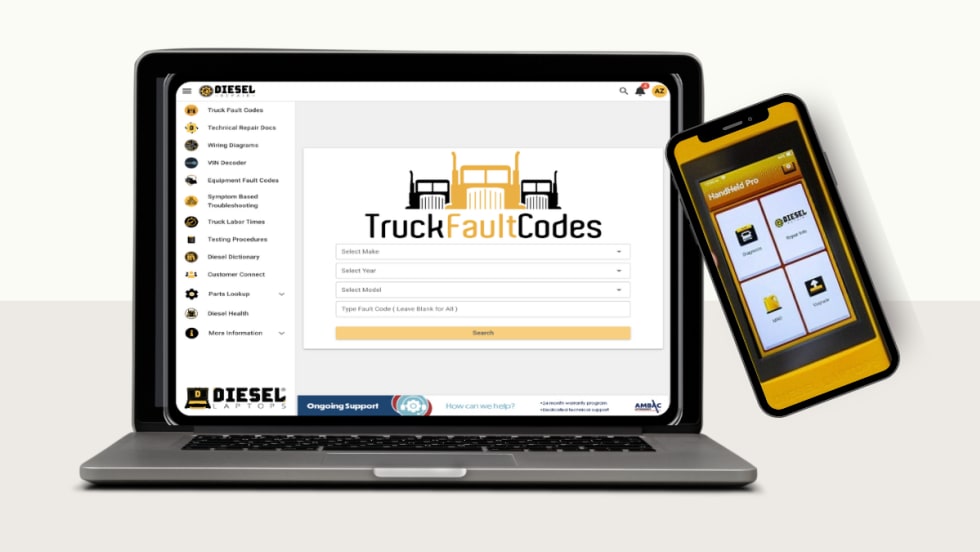
Diesel Laptops Releases Fault-Code-to-Part-Number Tool
Diesel Laptops said its Truck Fault Codes allows users to input a fault code and immediately identify and order the parts needed to complete repair work.
Read More →