




Report Criticizes EPA Science
The Environmental Protection Agency has made significant improvements in some of its scientific practices, but there are concerns about the quality of research behind the agency’s regulatory decisions, according to a report just issued by the National Academy of Sciences’ National Research Council
The Environmental Protection Agency has made significant improvements in some of its scientific practices, but there are concerns about the quality of research behind the agency’s regulatory decisions, according to a report just issued by the National Academy of Sciences’ National Research Council.
The study was requested by Congress and the EPA and is based on consultations with scientists, engineers and managers from within and outside EPA, plus hundreds of agency documents.
The main recommendation is that EPA appoint a deputy administrator for science and technology with overall responsibility for the scientific and technical foundations of agency decisions. The report noted that EPA administrators typically have legal, not scientific, backgrounds, which is a problem when making science-based rules. The new deputy administrator would advise the administrator on technical issues much the same as EPA’s general counsel offers legal advice.
The deputy administrator would be appointed by the president and confirmed by the Senate. At the same time, the report recommended that the post of assistant administrator for research and development be converted from a politically appointed position to a statutory term appointment of six years. Currently the assistant administrator serves an average two to three years, which has hurt the continuity of programs and sometimes morale of EPA scientists and staff, the report concluded.
Report authors urged EPA to recruit leading scientists by making positions such as the assistant administrator more attractive and by creating the equivalent of endowed academic chairs. They also criticized EPA’s peer-review process, noting that current policy allows managers to serve as the peer-review leader for their own projects.
This isn’t the first time the EPA’s scientific capabilities has been questioned. Last year the Clean Air Science Advisory Committee, part of EPA’s Science advisory Board, rejected the agency’s Diesel Health Assessment Document -- mainly because conclusions in the document lacked sufficient scientific support. The Senate Environmental and Public Works Committee plans to hold hearings in July on scientific research as it related to regulatory decisions. Meantime EPA moves ahead with its most recent proposal to drastically reduce sulfur content in diesel fuel and impose stricter emissions standards for diesel engines.
A copy of the report, "Strengthening Science at the U.S. Environmental Protection Agency," is available from the National Academy Press, http://books.nap.edu.
More Aftermarket
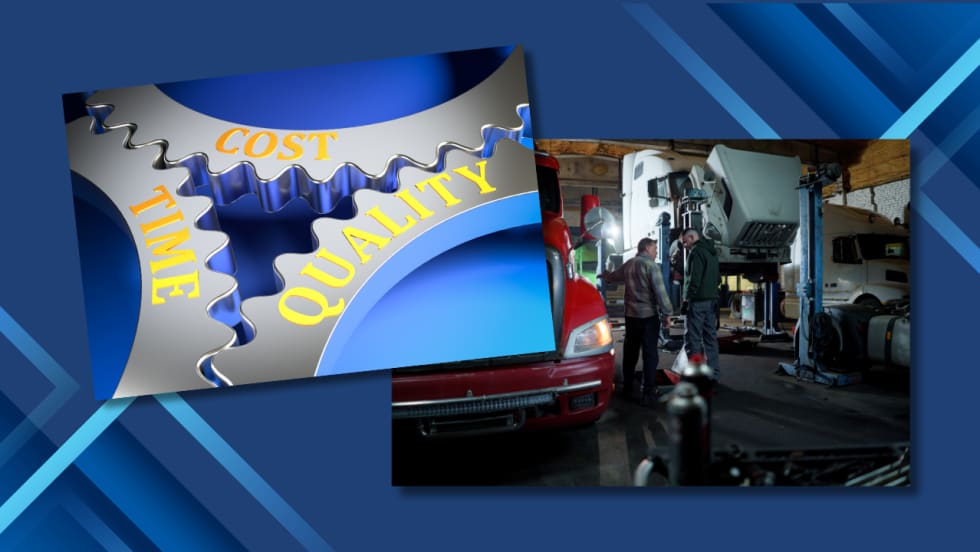
What Three Fleets Are Doing Differently When Buying Truck Parts in 2026
With freight improving but costs still climbing, fleet maintenance executives explain how they're balancing price, quality, and supplier relationships.
Read More →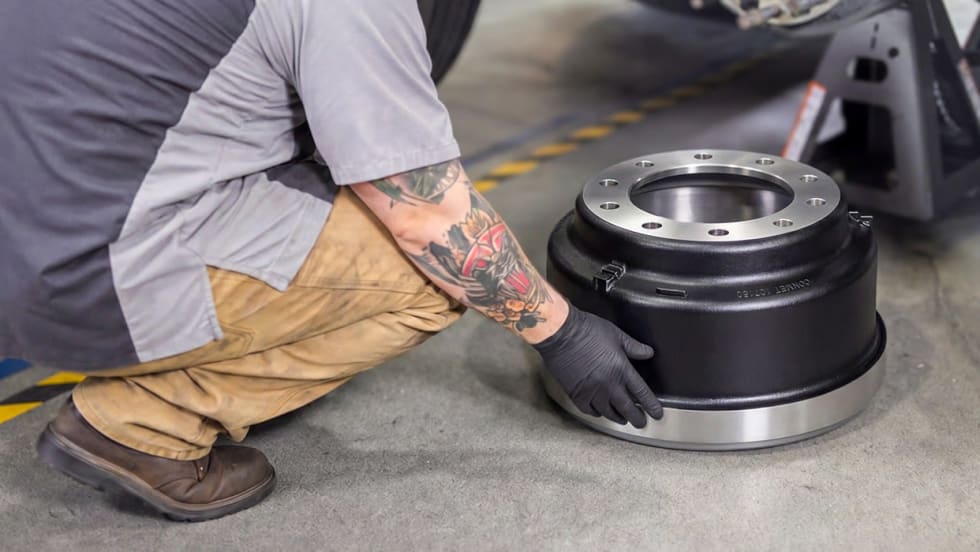
ConMet Expands Aftermarket Brake Drum Lineup With TruCast
A new heavy-duty truck brake drum option in the aftermarket gives customers more flexibility within the ConMet product family.
Read More →
Phillips Opens High-Tech Distribution Center for Faster Parts Delivery
Phillips Industries’ new Cincinnati-area distribution center is now shipping aftermarket trucking parts nationwide, aiming to speed up delivery times for customers.
Read More →
Volvo to Sponsor America’s Road Team for 2025
Volvo Trucks announced that it is extending its exclusive sponsorship of America’s Road Team for 2025.
Read More →
Webb to Start Taking Orders for UltraSet Pre-Adjusted Wheel Hubs
Webb, which recently acquired the Stemco Trifecta pre-adjusted hub program, will soon start taking orders for its replacement pre-assembled hub, the UltraSet.
Read More →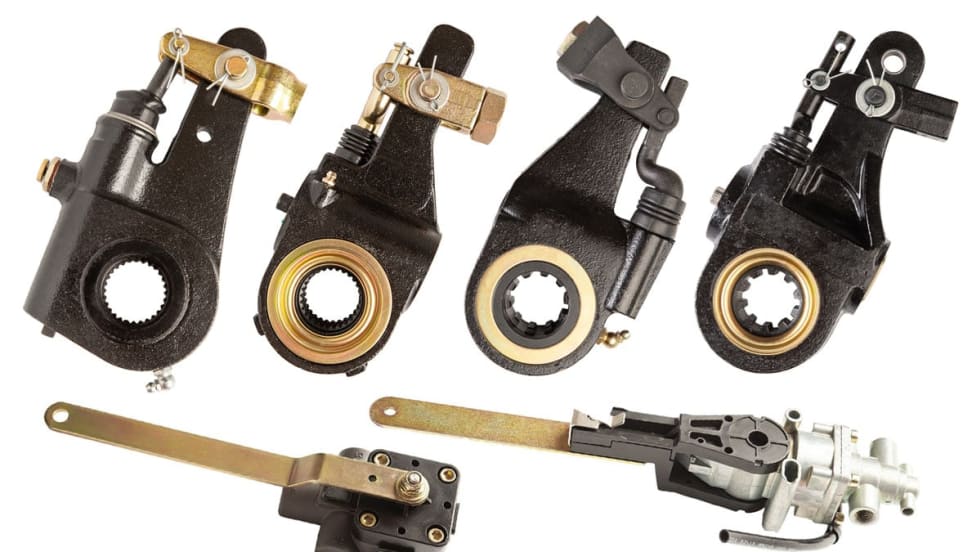
All-Makes Automatic Brake Adjusters, Ride Height Control Valves from Midland
SAF-Holland has added automatic brake adjusters and ride height control valves to its Midland All-Makes Program.
Read More →
ZF Aftermarket Expands [pro]Academy Training
ZF Aftermarket said it is expanding its ZF [pro]Academy training and will be adding 40 new modules this year.
Read More →
Eaton Adds Remanufactured Advantage Line of Clutches
Eaton has added its Advantage clutches to its remanufactured product line. The clutches feature a unique strap drive intermediate plate designed to allow customers to choose the latest OE specification
Read More →
ConMet Acquires TruckLabs, the Creator of TruckWings
Commercial truck and trailer parts provider ConMet acquired TruckLabs, the company that created TruckWings, an aerodynamic device that attaches to truck cabs and deploys to close the gap between truck and trailer. TruckLabs now operates as a subsidiary of ConMet.
Read More →
Diesel Laptops Releases Fault-Code-to-Part-Number Tool
Diesel Laptops said its Truck Fault Codes allows users to input a fault code and immediately identify and order the parts needed to complete repair work.
Read More →