




Recommendations Published on Container Yard Equipment Safety
The Port Equipment Manufacturers Association, TT Club and ICHCA International have jointly published recommended minimum safety features for container yard equipment, identifying features and functional requirements to improve the safety of people, equipment and cargo
The Port Equipment Manufacturers Association, TT Club and ICHCA International have jointly published recommended minimum safety features for container yard equipment, identifying features and functional requirements to improve the safety of people, equipment and cargo.
The impetus for the joint publication, entitled Recommended Minimum Safety Features for Container Yard Equipment, came from global analysis of more than 4,000 claims made over a six-year period by port and terminal operators insured with the TT Club. The analysis revealed that 53% of the total cost of claims and 75% of the cost of injury claims related to yard equipment. Additionally, 67% of costs related to fires were attributed to yard equipment.
"These findings point to a heavy concentration of avoidable incidents," said Laurence Jones, TT Club's director of global risk. "Analysis of the Club's data shows that up to 1,600 claims amounting to $130 million resulted from yard incidents. Changes to operational procedure, additional training and/or fitting safety equipment to machinery could significantly reduce these claims." For example, lift trucks were involved in 30% of bodily injury claims analyzed, mainly as a result of trucks reversing into people. The simple installation of collision prevention devices could potentially have saved $30 million and prevented 51 workers from being killed or suffering serious injury over the six-year period.
In the new document, the three organizations have pooled the respective expertise of their members to identify ways that port and terminal operators can minimize yard safety risks by adopting equipment features and technologies proven to reduce injury or damage, but which are not currently standard. The document covers all major types of container yard crane and mobile equipment, including RTGs, RMGs, ASCs, straddle carriers, lift trucks and reach stackers, AGVs and terminal tractors.
The recommendations address key risk items such as collisions, high winds and storms, overloaded or misdeclared container weights, people being caught under wheels or falling between moveable parts of equipment, equipment fires, drivers being overcome by emissions and more.
Tables and illustrations clearly list the major safety risks, features and functional requirements for each of the equipment types.
The three organizations stress that international, national and local regulations are mandatory, while these recommendations are voluntary. The three bodies also recognize that technology alone will not eradicate all incidents and that installation of safety equipment and systems should always be adopted in parallel with routines, training, effective maintenance and good yard design and operations.
However, the hope of all three bodies is that these minimum recommended safety features will be adopted generally by equipment suppliers and buyers both on new and existing equipment to improve safety levels at the world's ports.
The full recommendations can be downloaded at http://www.pema.org/resources/public-downloads/, where PEMA's growing body of Information Papers, Surveys and Recommendations are also available.
More Fleet Management

American Trucking Associations Looks for a New Leader
ATA President and CEO Chris Spear abruptly left his job at the association on August 21, at a pivotal time for the trucking industry.
Read More →
Public Wi-Fi Cybersecurity Risks: How Truck Drivers and Fleets Can Protect Their Data
Public Wi-Fi can expose truck drivers and fleets to credential theft, malware, and other cyber threats. Here’s how to reduce the risk on the road.
Read More →
For Nicky Cupp, Fleet Innovation Starts With Frustration
HDT Truck Fleet Innovator Nicky Cupp turns everyday pain points at Fraley & Schilling into opportunities for better technology and smarter processes.
Read More →
Adam Buttgenbach’s Approach to Electric Trucks: Start With Where They Fit
HDT Truck Fleet Innovator Adam Buttgenbach helped PepsiCo build one of North America’s largest EV fleets by focusing on where electric trucks make operational sense.
Read More →
Deen Albert: Let Automation Do the Math, People Make the Decisions
HDT Truck Fleet Innovator Deen Albert makes sure people are still at the heart of operations at Grand Island Express, even while adopting artificial intelligence tools. AI-assisted dispatch helped boost revenue 25% with the same number of trucks.
Read More →
Trimble’s New AI Agent Takes Aim at Fleet Back-Office Busywork
Arc Agent works across Trimble TMS products to automate repetitive tasks such as freight orders, maintenance, invoices, fuel costs and more.
Read More →
How HDT’s 2026 Truck Fleet Innovators Are Rethinking Fleet Operations
Meet five trucking leaders who are challenging assumptions, solving operational problems, and putting innovative ideas to work.
Read More →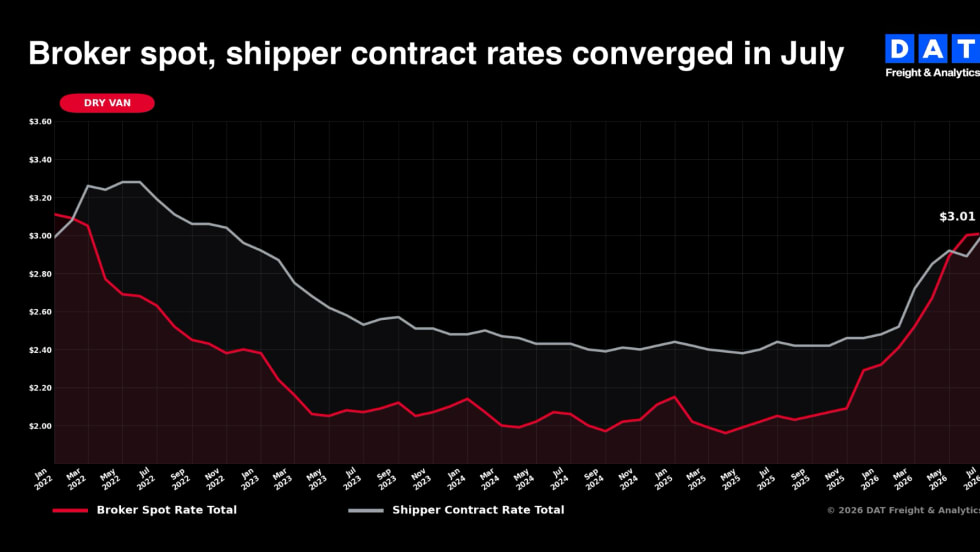
Tight Trucking Capacity Pushes Rates Higher Even as Freight Volumes Fall
“Spot rates moving ahead of contract rates have historically signaled a tightening market, but we haven’t seen a capacity-driven market quite like this one,” said DAT's Dean Croke.
Read More →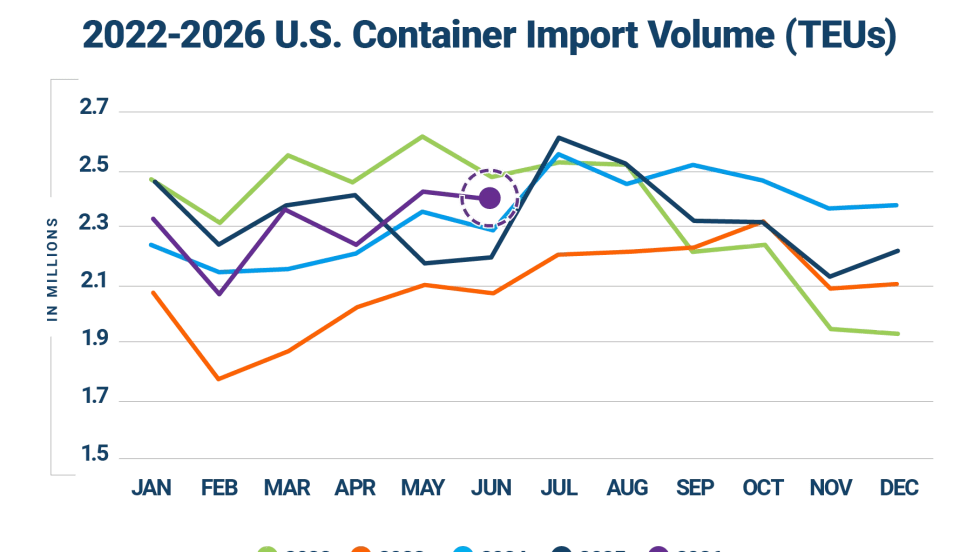
Import Cargo’s Early Peak Season is Winding Down
There was an early start to peak season this year at the nation's gateway ports, as retailers brought in merchandise ahead of tariff changes in late July and responded to other supply chain uncertainties,
Read More →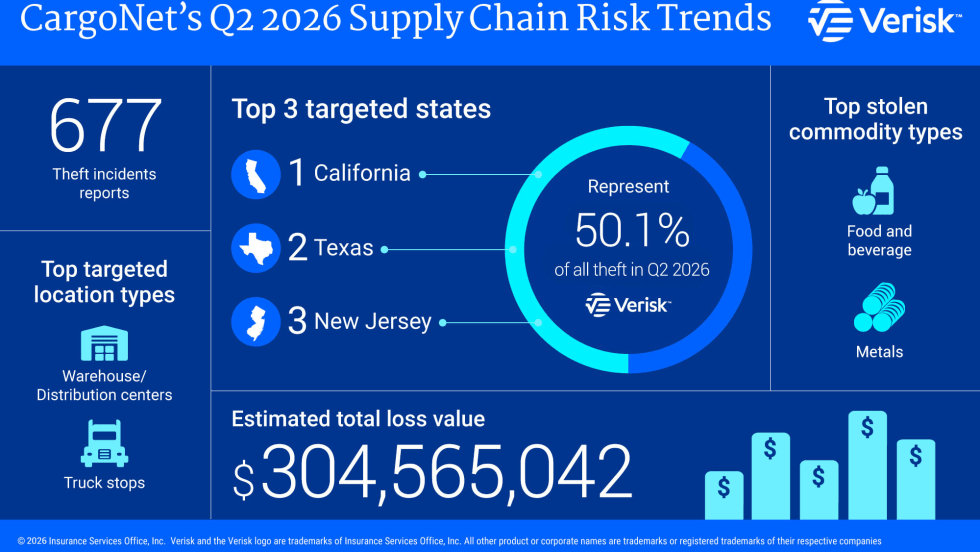
Fewer Cargo Thefts, Bigger Losses: Criminals Target Higher-Value Loads
CargoNet says organized theft rings are stealing fewer shipments but choosing more valuable freight, including metals and technology, resulting in record losses.
Read More →