




Railway Giants End Merger Talks
Canadian Pacific Railway Ltd. announced Monday that exploratory conversations held with CSX Corp. about a possible merger between the two railroads have ended. No further talks are planned.

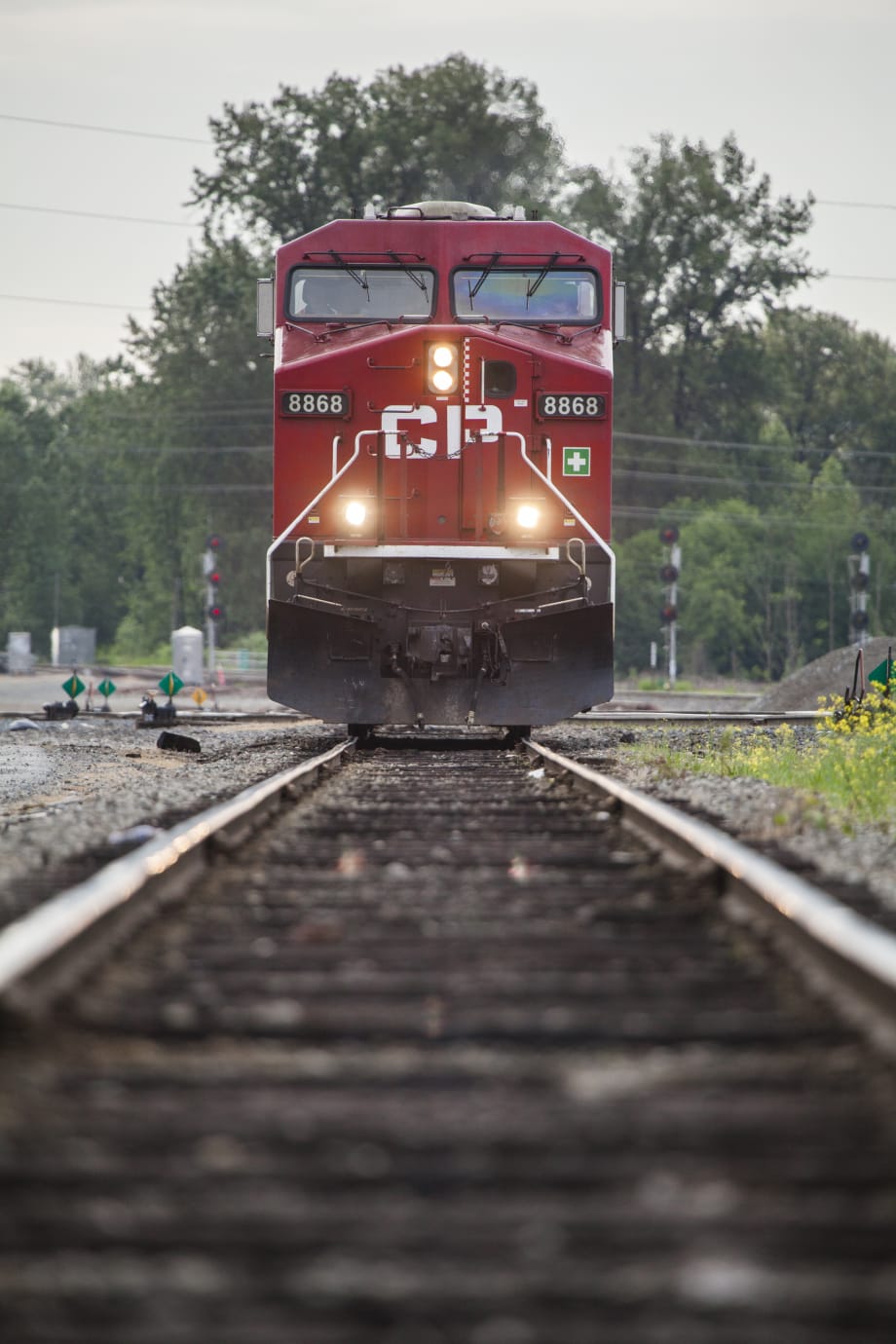
Canadian Pacific Railway Limited announced Monday that exploratory conversations held with CSX Corp. about a possible merger between the two railroads have ended. No further talks are planned.
While no reason was given for ending the talks, CP hinted that regulatory hurdles were a concern.
CP proposed an integrated coast-to-coast combination that it said would improve customer service, promote competition, and alleviate congestion in North America, which is continuing to grow worse.
“While regulatory concerns appear to be a major deterrent for many railroads considering combinations, CP believes that given the right structure between the right players, and having thoughtful considerations and remedies to address shipper concerns, regulatory approvals are achievable,” CP said in a statement.
As of Monday morning CSX had yet to comment on the announcement, but according to the New York Times, it was not warm to the idea of a merger.
In announcing the merger talks were over, CP warned the North American rail industry is being confronted with the challenges of moving more freight than ever. As oil production, crop yields and consumer demand grow alongside the economy, it will only make the situation worse.
“CP is convinced that the significant problems that beset the industry now will only worsen over time if solutions aren't put in place immediately,” the company said. “A pro-competition, customer-friendly, safety-focused railway combination is one such solution that could not be ignored on its merits by regulators.”
Had a merger gone through, it would have created a $60 billion a year company, creating a railroad network with relatively little overlap, according to the New York Times, because Canadian Pacific’s network runs primarily across Canada and into the United States, while CSX’s lines stretch largely along the East Coast.
More Fleet Management

How Telematics Improves Visibility, Control, and Performance in Refrigerated Fleets
Explore how telematics help refrigerated fleets improve visibility, uptime, efficiency, compliance, and cargo protection across connected cold chain operations.
Read More →
What the U.S.-Canada Trade War Means for Trucking
Escalating U.S.-Canada tariffs could disrupt cross-border freight, reduce truck volumes, raise costs, and create new uncertainty for carriers on both sides of the border.
Read More →
What Are Trucking’s Top Concerns for 2026?
The American Transportation Research Institute wants to know what's worrying trucking fleet managers, drivers, and other stakeholders in its annual Industry Issues survey.
Read More →

American Trucking Associations Looks for a New Leader
ATA President and CEO Chris Spear abruptly left his job at the association on August 21, at a pivotal time for the trucking industry.
Read More →
Public Wi-Fi Cybersecurity Risks: How Truck Drivers and Fleets Can Protect Their Data
Public Wi-Fi can expose truck drivers and fleets to credential theft, malware, and other cyber threats. Here’s how to reduce the risk on the road.
Read More →
For Nicky Cupp, Fleet Innovation Starts With Frustration
HDT Truck Fleet Innovator Nicky Cupp turns everyday pain points at Fraley & Schilling into opportunities for better technology and smarter processes.
Read More →
Adam Buttgenbach’s Approach to Electric Trucks: Start With Where They Fit
HDT Truck Fleet Innovator Adam Buttgenbach helped PepsiCo build one of North America’s largest EV fleets by focusing on where electric trucks make operational sense.
Read More →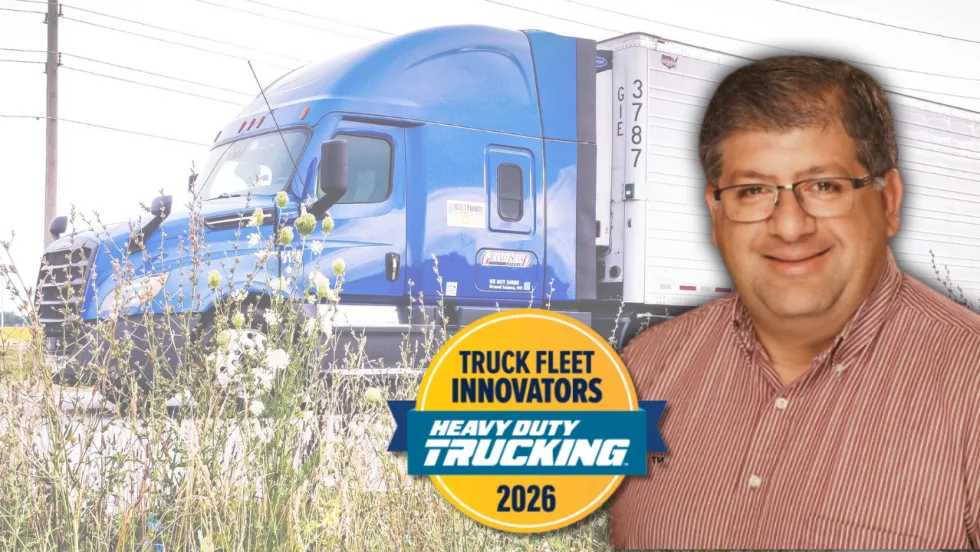
Deen Albert: Let Automation Do the Math, People Make the Decisions
HDT Truck Fleet Innovator Deen Albert makes sure people are still at the heart of operations at Grand Island Express, even while adopting artificial intelligence tools. AI-assisted dispatch helped boost revenue 25% with the same number of trucks.
Read More →
Trimble’s New AI Agent Takes Aim at Fleet Back-Office Busywork
Arc Agent works across Trimble TMS products to automate repetitive tasks such as freight orders, maintenance, invoices, fuel costs and more.
Read More →
How HDT’s 2026 Truck Fleet Innovators Are Rethinking Fleet Operations
Meet five trucking leaders who are challenging assumptions, solving operational problems, and putting innovative ideas to work.
Read More →