





Read more about the strike, and how trucking was bracing for its impact earlier this week.
Rail Strike Likely Averted
The Senate has passed legislation that would avert a freight rail labor strike, a work stoppage that many believe would strain trucking operations. The bill awaits President Biden.
December 1, 2022
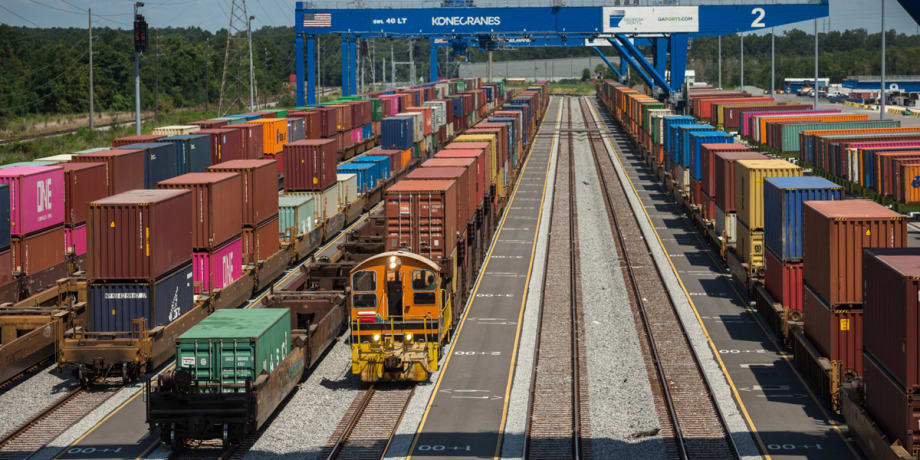
Notably, the bill did not include a measure for seven-days of paid sick leave, which was a contention point for many of the union members who voted against its ratification in the first place.
Photo: Georgia Ports Authority
2 min to read
On Dec. 1, the U.S. Senate passed legislation that would force a labor agreement between the nation’s freight railroads and its workers, effectively working toward aversion of a rail labor strike that many say would have a devastating effect on the economy and strain trucking operations.
The House moved the vote to Senate on Nov. 30, and now the legislation awaits a signature from President Biden, who is expected to sign it after days ago expressing the need for its urgent adoption.
“The trucking industry thanks Congress for acting swiftly to prevent what could have been a disastrous rail strike,” said ATA President and CEO Chris Spear in a statement. “Trains move critical goods like hazardous materials and fuel – including diesel which is already in short supply in numerous parts of the country. Any disruption to these critical supply chains would have been catastrophic for the economy and our industry.”
The measure was not passed with a package for seven-days of paid sick leave, which was a contention point for many of the union members who voted against its ratification in the first place.
The measure to offer paid sick leave was rejected 52-43 in Senate, however passed the House a day prior.
The SMART Transportation Division — one of the largest rail workers unions — said in a statement Wednesday it does not support Congress intervening in its collective bargaining negotiations to prevent a strike.
“We firmly believe in the workers’ right to fight for their own best interests, as well as the best interests of their families,” union officials wrote. “Unfortunately, threats to the economy have caused this Congress to believe that a strike aversion is the best course for this nation.”
Instead of intervetion, the union called for much needed sick leave, as well as relief from the effects of operations changes made by railroads. The union called out precision scheduling railroading in particular. PSR is essentially the practice of running fewer and longer trains with less workers. Many in the industry believe this operational change was the catalyst that led to the labor issues workers have faced in the last three to five years.
More Fleet Management

Motive Adds AI Agents for Fleet Operations
New tools automate follow-up on fleet data, from maintenance work orders to driver alerts, with two-way voice conversations planned for later this year.
Read More →
Can You Beat Our Trucking Trivia Challenge?
Test your truck knowledge with 19 trivia questions from Heavy Duty Trucking Exchange. Can you keep up with the fleet pros?
Read More →
BeyondTrucks Adds Rules Checks to Dispatch
New Compatibility Engine checks driver qualifications, equipment requirements and fleet policies before loads are dispatched.
Read More →
Diesel Prices Hijack Trucking’s Worry List
ATRI’s annual survey finds cautious optimism about freight, but diesel costs, litigation, and insurance continue to squeeze fleets. Drivers have different priorities on several issues.
Read More →
Nomination Deadline Extended for HDT Emerging Leaders
Just a few more days to nominate accomplished trucking fleet professionals under 40 who are making an impact and helping lead the industry forward for the HDT Emerging Leaders award. Deadline extended to October 20!
Read More →
What Will ATA’s New Leader Bring to Trucking's Table?
Incoming President and CEO Mark Colson’s record in Alabama offers clues about his priorities and approach following Chris Spear’s abrupt departure as the head of the American Trucking Associations.
Read More →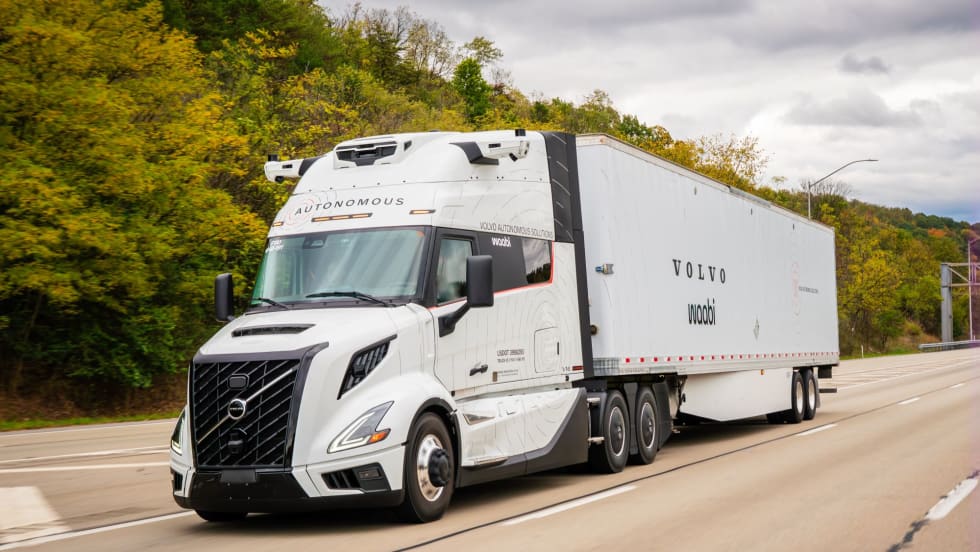
Volvo, Waabi Start Commercial Autonomous Operations in Texas
Volvo VNL Autonomous trucks, powered by the Waabi Driver, are hauling freight directly to third-party facilities for a customer in Texas.
Read More →
Samsara Launches Custom AI Agent Builder
Agent Studio lets fleets create AI tools for hours-of-service monitoring, reporting and driver support, including agents that communicate by phone.
Read More →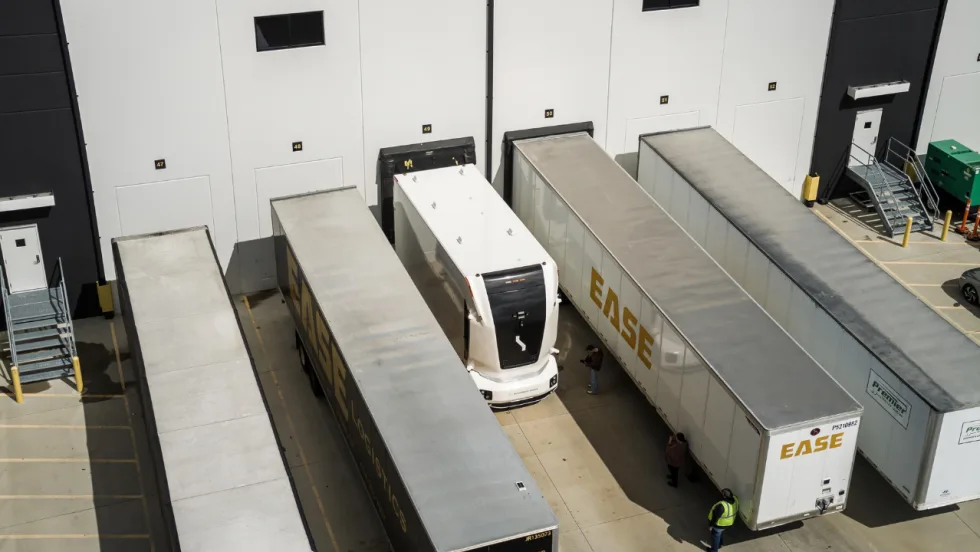
Einride Driverless Electric Trucks Begin Daily Freight Operations in Ohio
Two cabless electric trucks are hauling freight between EASE Logistics facilities in Marysville, Ohio, as part of a multi-state truck automation project.
Read More →
Geotab Links Fleet Card to Vehicle Data
The new card combines fuel discounts with telematics-based purchase controls. Geotab’s analysis also points to potential savings from choosing lower-priced fuel stops.
Read More →