




After serving the long-haul truckload industry with satellite tracking and communications for over a decade, Qualcomm is rolling out a lower-cost system for fleets serving metropolitan areas.
OmniExpress uses the familiar Qualcomm in-cab keyboard and display unit. But instead of the large white dome found on many truckload rigs these days, the new system has a small, conical black antenna that combines a cellular antenna and a small GPS receiver. Where Qualcomm's OmniTracs unit uses satellite technology to send and receive messages as well as positioning, OmniExpress uses the GPS only for positioning. Messages are sent and received via Sprint PCS. And unlike OmniTracs, OmniExpress offers an optional mobile phone handset. To keep costs down, the system can be programmed with only the phone numbers of that day's customers, plus standard numbers such as dispatch.
OmniExpress does not offer the near-universal coverage that OmniTracs does - but it's cheaper, at only about $1,500 per vehicle. It's aimed at private, LTL and mixed fleets who are probably using pagers and mobile phones to communicate in a metro area - and not always effectively or cost-efficiently. Qualcomm offers the example of a retail merchant who has sold a new appliance, the delivery truck is late, and the dispatcher can't find the crew because they stopped for lunch. Another example might be a mobile computer repair service, where a technician misunderstands an address over the phone and ends up across town at the wrong place.
The main advantage of OmniExpress over current methods is the data that can be exchanged between home office and trucks, and integrated into a company's existing software for dispatch, invoicing, fuel management, etc.
Messages can be sent free-form, much like e-mail, or companies can set up as many as 63 outgoing and 63 incoming custom "macros," or electronic forms, such as assignments, fuel reports, breakdown alerts, delivery reports and so on. Dispatchers can send messages to a single truck, a preprogrammed group of trucks, or the entire fleet. A choice of priorities includes such options as "sleepy," which will wake up the unit during the night to receive the message, then shut itself off; or "emergency," which overrides the volume control on the in-cab unit to make sure the driver knows there's a message.
The system can let dispatchers know that a message was received, where the truck was when it was received, whether the ignition was on or off, and whether the message has actually been read. Automatic location checks can be programmed, say for every 10 minutes. Truck location and customer location can be plotted on a metro map, so dispatchers can make sure the driver is where he is supposed to be. If a truck breaks down, the system can locate the nearest units for relief.
First introduced at the American Trucking Associations convention last fall, OmniExpress is being beta tested with different types of fleets. The system is being introduced to potential customers and media around the country on a whirlwind multi-city tour this month. The system is expected to be available in the third quarter, and inaugural customers are being signed up with significant discounts and free installation.
Qualcomm Goes After Metro, LTL Markets
After serving the long-haul truckload industry with satellite tracking and communications for over a decade, Qualcomm is rolling out a lower-cost system for fleets serving metropolitan areas
More Aftermarket
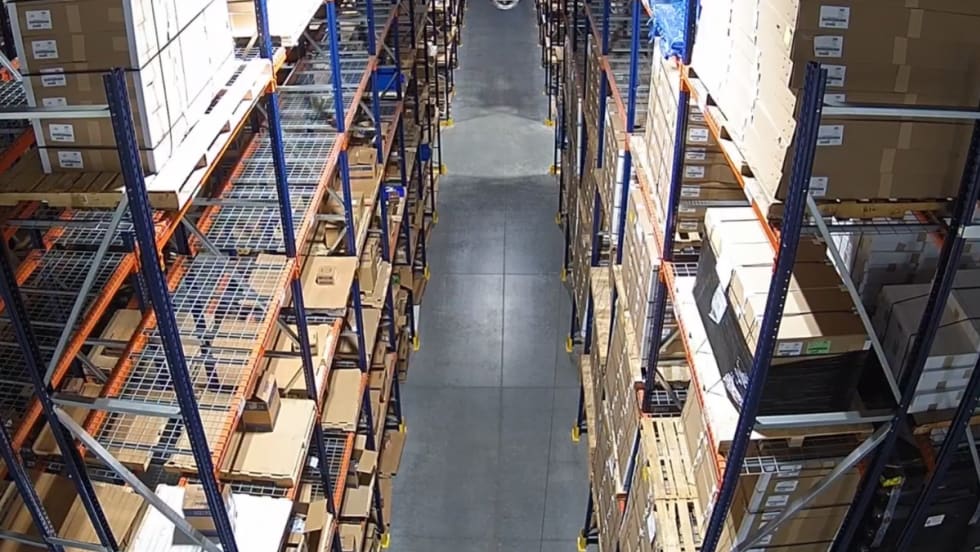
Phillips Opens High-Tech Distribution Center for Faster Parts Delivery
Phillips Industries’ new Cincinnati-area distribution center is now shipping aftermarket trucking parts nationwide, aiming to speed up delivery times for customers.
Read More →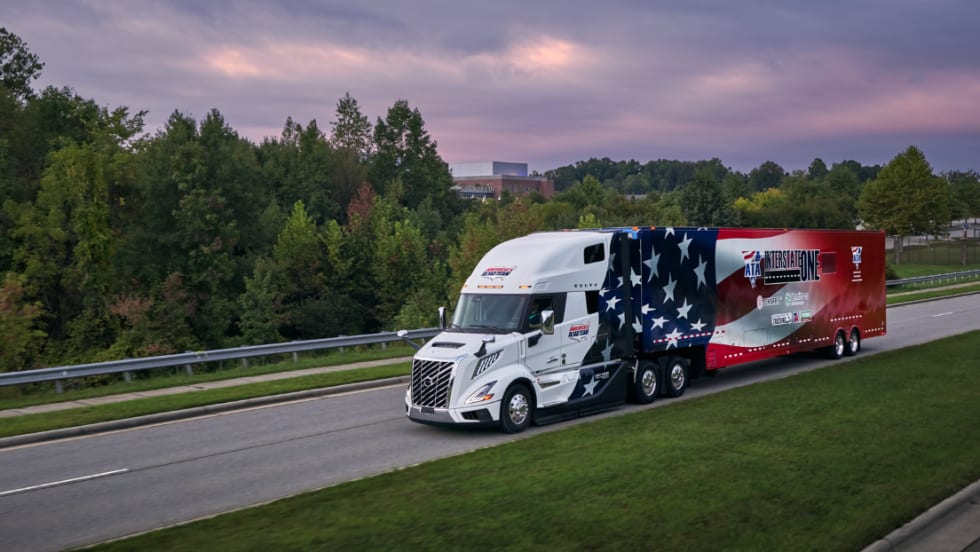
Volvo to Sponsor America’s Road Team for 2025
Volvo Trucks announced that it is extending its exclusive sponsorship of America’s Road Team for 2025.
Read More →
Webb to Start Taking Orders for UltraSet Pre-Adjusted Wheel Hubs
Webb, which recently acquired the Stemco Trifecta pre-adjusted hub program, will soon start taking orders for its replacement pre-assembled hub, the UltraSet.
Read More →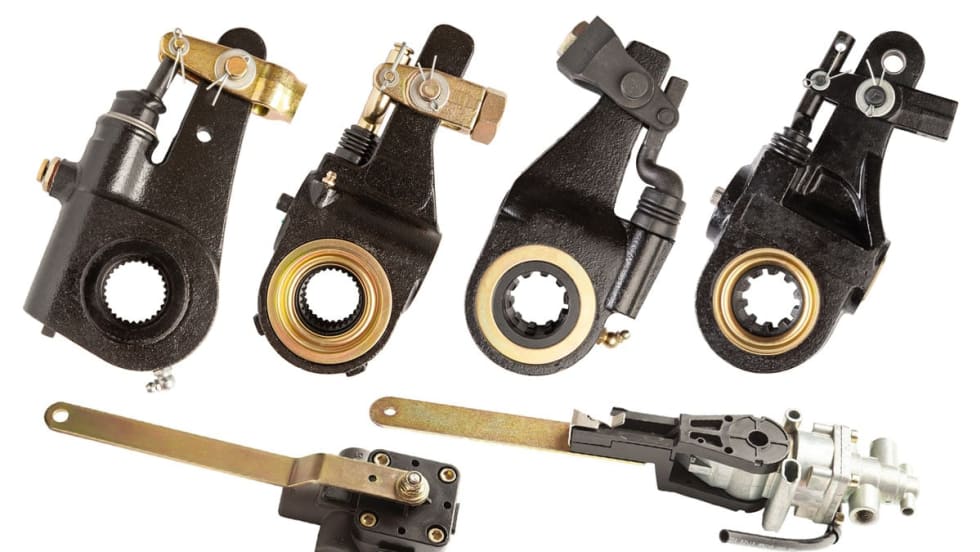
All-Makes Automatic Brake Adjusters, Ride Height Control Valves from Midland
SAF-Holland has added automatic brake adjusters and ride height control valves to its Midland All-Makes Program.
Read More →
ZF Aftermarket Expands [pro]Academy Training
ZF Aftermarket said it is expanding its ZF [pro]Academy training and will be adding 40 new modules this year.
Read More →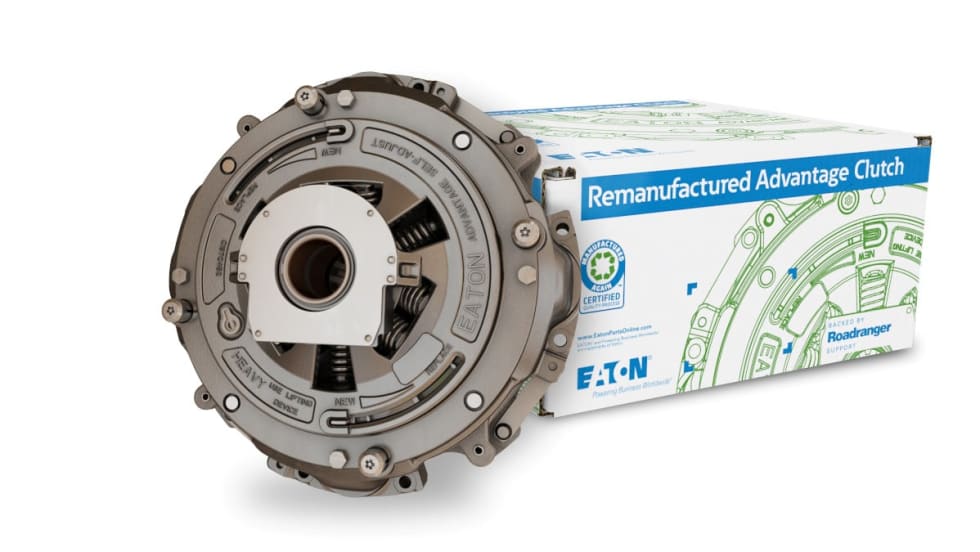
Eaton Adds Remanufactured Advantage Line of Clutches
Eaton has added its Advantage clutches to its remanufactured product line. The clutches feature a unique strap drive intermediate plate designed to allow customers to choose the latest OE specification
Read More →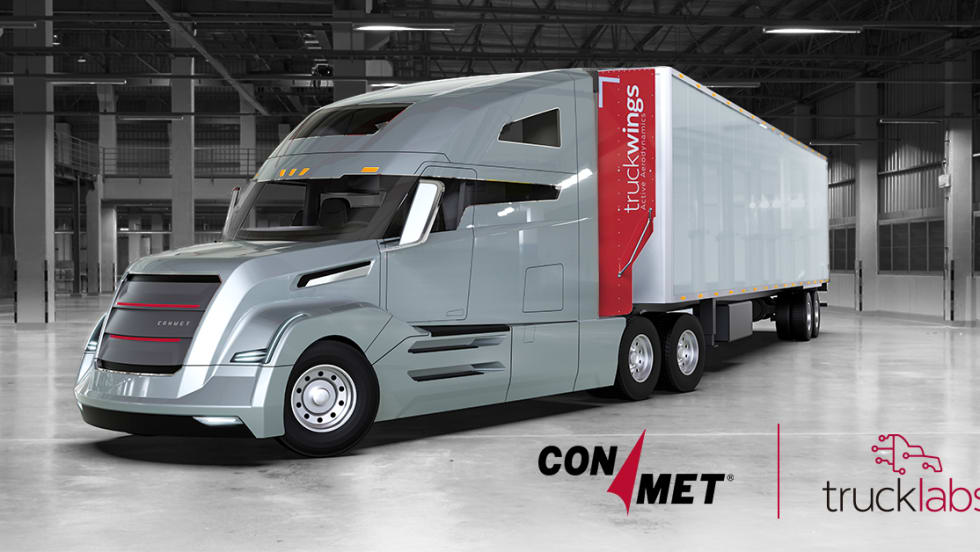
ConMet Acquires TruckLabs, the Creator of TruckWings
Commercial truck and trailer parts provider ConMet acquired TruckLabs, the company that created TruckWings, an aerodynamic device that attaches to truck cabs and deploys to close the gap between truck and trailer. TruckLabs now operates as a subsidiary of ConMet.
Read More →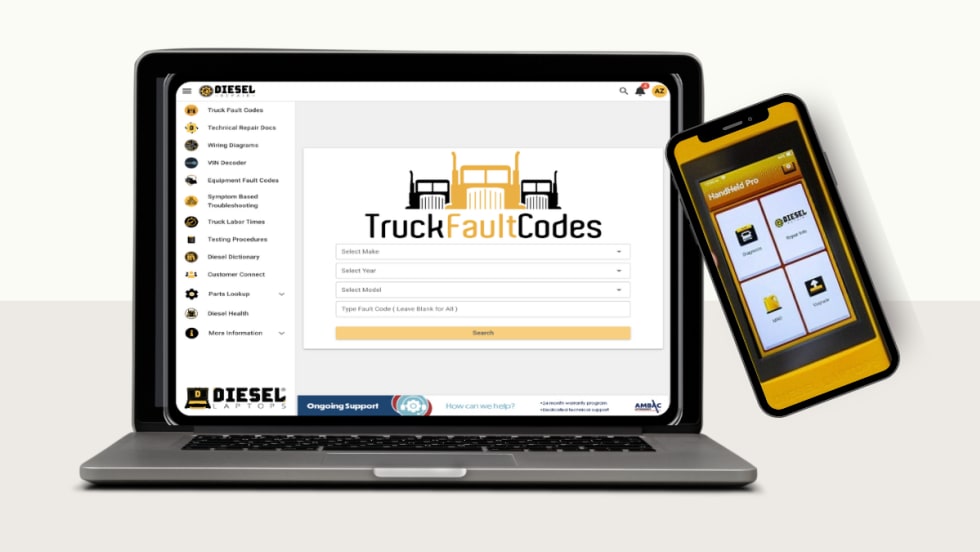
Diesel Laptops Releases Fault-Code-to-Part-Number Tool
Diesel Laptops said its Truck Fault Codes allows users to input a fault code and immediately identify and order the parts needed to complete repair work.
Read More →
Heavy Duty Parts and Labor Costs Dropped in Q2
A benchmarking report from TMC and Decisiv reveals good news for fleets as heavy-duty parts and labor costs dropped in the second quarter of 2023.
Read More →
Platform Science, Uptake Partner on Predictive Maintenance Platform
Platform Science and Uptake have formed a partnership aimed at bringing a comprehensive predictive maintenance program to market for U.S. truck fleets.
Read More →