




Purkeys SAFX Allows Reefer Trailers to Plug into 480V Shore Power
The new SAFX power system allows fleets, distribution centers, and trailer manufacturers using refrigerated trailers to safely and easily connect hybrid electric transport refrigeration units to 480-volt AC power.

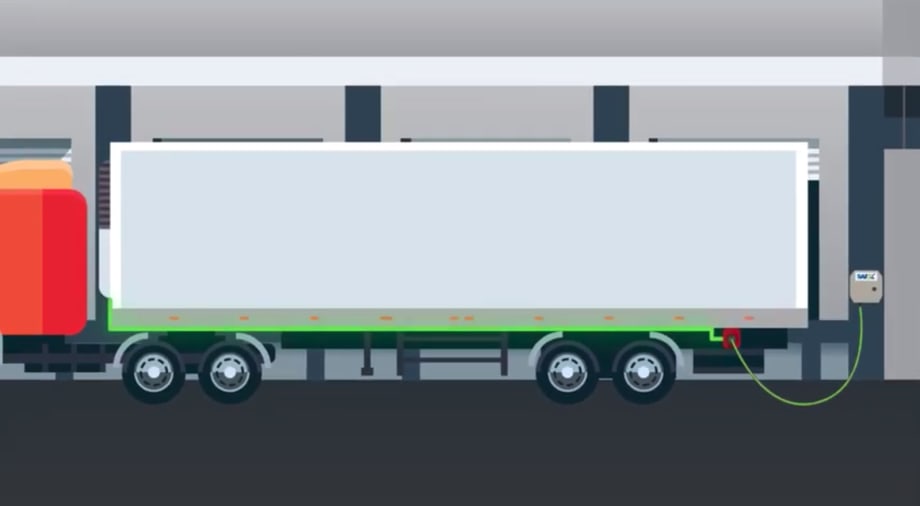
A new power management system for trailers from Purkeys allows fleets, distribution centers, and trailer manufacturers to safely and easily connect hybrid electric transport refrigeration units to 480-volt shore power, meeting CARB reefer and other anti-idling regulations.
Photo: Screen shot of Purkeys video
Mission Critical Electronics and its Purkeys subsidiary say they have an answer to some of the challenges faced in the cold chain in transitioning to lower-emissions refrigeration units and meeting idling restrictions.
The new SAFX power system allows fleets, distribution centers, and trailer manufacturers to safely and easily connect hybrid electric transport refrigeration units to 480-volt AC power.
As state, national, and global pressures are strengthening a push toward zero-emissions freight transportation, transport refrigeration units are being targeted by the regulators, including the California Air Resources Board.
With the new SAFX system, a driver pulling a refrigerated trailer equipped with the SAFX Auto Eject port can pull up to a distribution center or other facility that’s equipped with the SAFX Auto Safe and plug the Auto Safe cable into the Auto Eject port. Once plugged in, the system automatically detects when the cable is connected to the trailer and allows power to flow with the simple touch of a button.
The automatic and customizable system is designed with redundant safety features to deliver reliable connection and disconnection of 480 VAC shore power, according to Purkeys.
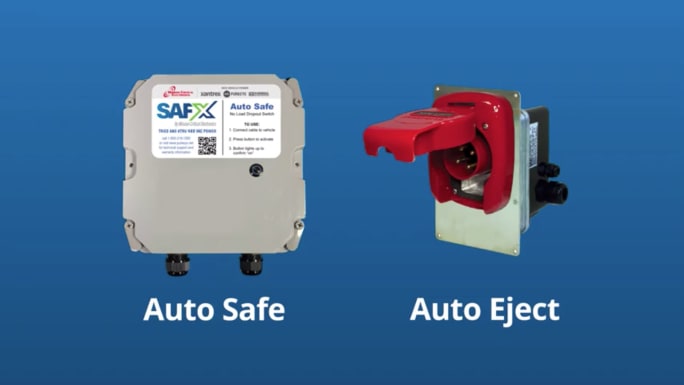
The SAFX system includes the Auto Safe component at the facility and the Auto Eject unit on the refrigerated trailer.
Photo: Screen shot of Purkeys video
SAFX also eliminates the risk of expensive property damage and high-voltage arcing that can happen from accidental drive-away or unattended live wires. When the driver presses the brake pedal before starting the engine, the Auto Eject mechanism on the trailer instantly ejects the cord, and simultaneously the Auto Safe feature turns off the power.
The Auto Eject uses the IEC standard 4-pin pin-n-sleeve connector, with the connection pins on the trailer automatically protected by a weather-proof cover that snaps into place after cable ejection.
The system will be sold and serviced through Purkeys. The technology has been used by an MCE sister company for more than 25 years in the public safety sector for vehicles such as fire apparatus and ambulances.
Various custom cable management options are also available to fleets, distribution centers, and other facilities. These options, ranging from manual cable retraction to Auto Reach, will retract the power cord back to its original position, preventing potential tripping hazards and related liability issues, as well as avoiding property damage to the trailer and facility during the drive-off maneuver.
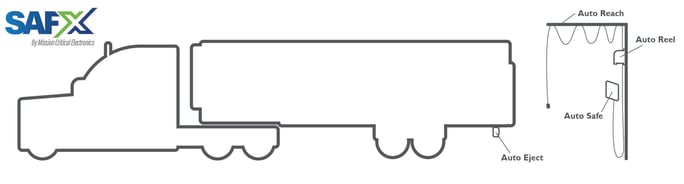
This diagram shows how the SAFX ecosystem interacts.
Photo: Purkeys
“The SAFX system is proven, safe, and reliable,” said Dale Tompkins, president of MCE’s Vehicle Power segment. “SAFX is the ideal solution for eTRUs and the array of partners in the ZER ecosystem, including fleets, reefer and trailer OEMs, distribution centers and refrigerated warehouses, truck stops, seaports and intermodal facilities, and grocery stores.”
Food and beverage fleets transporting perishable items rely on TRUs to deliver goods to and from ports, warehouses, distribution centers, and grocery stores. With tens of thousands of these units operating in California, TRUs become significant contributors to the emissions produced by the transportation sector.
In 2019, CARB estimated that TRUs within the state were responsible for nearly 900,000 tons of greenhouse gas (GHG) emissions, 7,000 tons of NOx, and 277 tons of toxic diesel particulate matter. New regulations require that TRUs begin the transition to zero-emission technology now, according to Purkeys, noting that all reefers operating in California must register with CARB by 2022, and all facilities must complete installation of electric powering infrastructure to support zero-emission reefers (ZER) by 2024.
“TRUs used in transportation within California and the 14 other states that comply with CARB regulations will need to use either electric or hybrid technology when parked for more than 15 minutes,” said Tompkins. “The SAFX system is a worry-free way for fleets, operators, and the ecosystem of ZER partners to access needed power, in a safe and reliable manner.
“Fleet and facility managers need to start upfitting their eTRUs and facilities now to defensively avoid penalties for non-CARB compliance and to offensively prepare their fleets for the emerging tractor and trailer electrification.”
More Fuel Smarts
Cummins Adjusts 2027 Engine Rollout After EPA Proposal
The engine maker will gradually introduce its new Model Year 2027 diesel engines while continuing to offer current models during the transition, citing the EPA's proposed emissions rule changes.
Read More →
EPA Proposal Could Ease 2027 Truck Costs and Buying Uncertainty
The proposal doesn't change the tougher NOx standard, but it would revise key implementation requirements that manufacturers say have driven up costs and complicated fleet purchasing decisions.
Read More →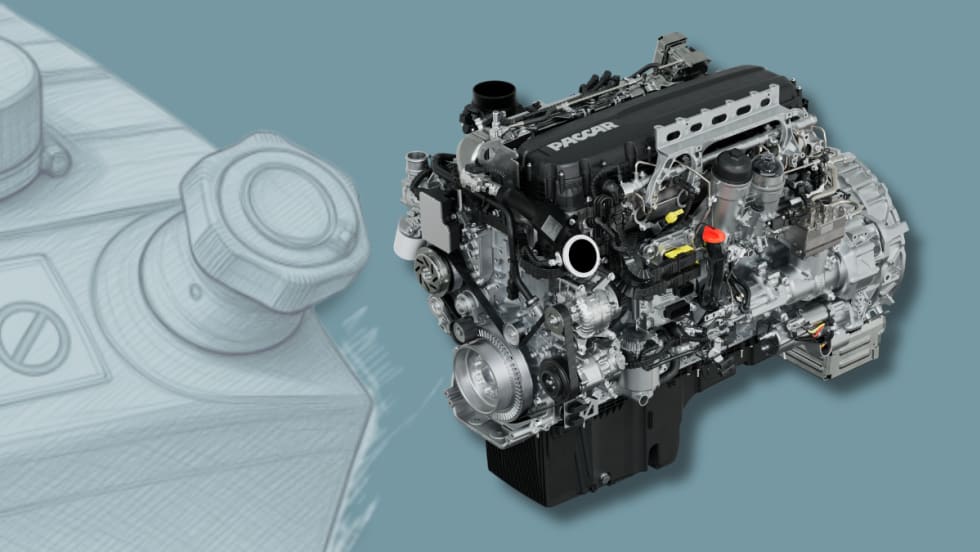
Cummins, Paccar Ease DEF Derates After EPA Guidance
Updated diesel engine software gives truck operators more time to address emissions-system issues while staying compliant with EPA emissions standards.
Read More →
Maintenance in the Messy Middle Part 3: Biodiesel
Biodiesel can reduce emissions, improve fuel-system lubricity and use existing diesel infrastructure. But NACFE’s Messy Middle maintenance report says fleets must actively manage storage, cold-weather operation, filters and oil drain intervals to avoid problems.
Read More →
Enhance Fleet Performance with High-Efficiency Auxiliary Power Units
Drive sustainable cost savings while increasing driver comfort during short- and long-haul logistics operations.
Read More →
Maintenance in the ‘Messy Middle’ Part 2: Renewable Diesel Fuel
NACFE's latest Messy Middle Powertrain Service & Maintenance report says renewable diesel gives fleets an opportunity to reduce carbon emissions without changing trucks, fueling infrastructure or maintenance practices. But technicians still need to understand several important operational differences.
Read More →
The Diesel Engine Enters NACFE’s ‘Messy Middle’
NACFE’s new Messy Middle Powertrain Service & Maintenance report says keeping modern diesel engines running now depends as much on software, diagnostics and data as traditional mechanical service.
Read More →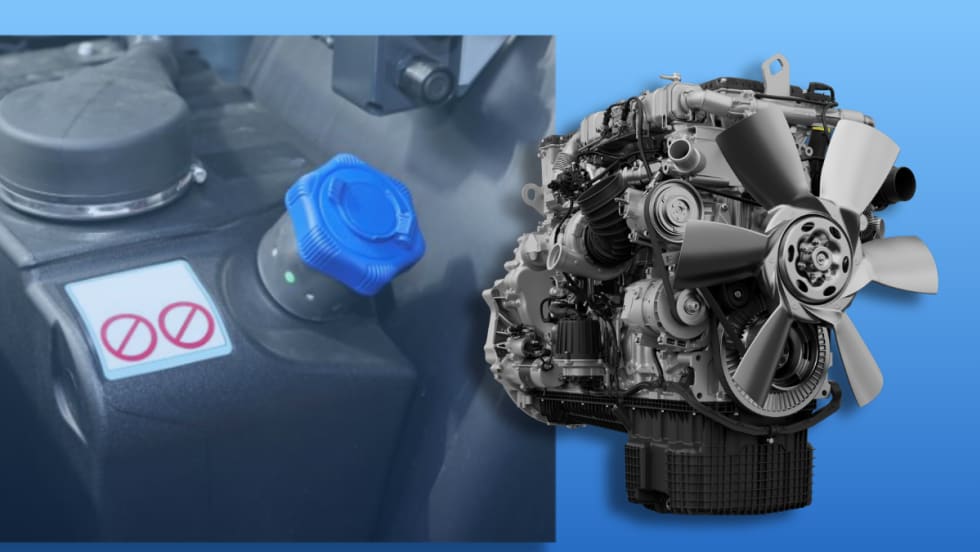
DTNA Software Update Gives Truckers More Time Before DEF Derates Take Effect
The changes reflect EPA guidance aimed at reducing downtime caused by emissions-system faults while maintaining compliance requirements.
Read More →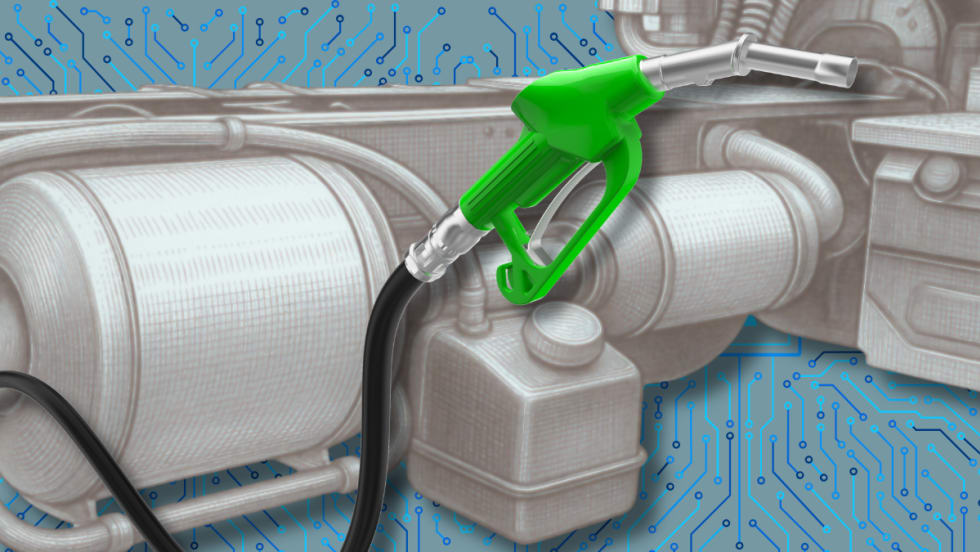
New Agentic Predictive Maintenance Report Demonstrates How Degraded Aftertreatment Systems Waste Fuel
Questar analyzed a large mixed-class fleet and discovered it was wasting as much as $30 in fuel per vehicle, per day, because of mechanically degraded aftertreatment systems.
Read More →
New York City's Microhub Project is Delivering Results
Trucking, last-mile delivery companies, and environmental advocates like what they are seeing so far with New York's microhub program.
Read More →