




Program Trains Trucking Execs on Driver Retention
Risk Reward Consulting is offering advanced executive leadership training programs called Drivers Are First, designed to help carrier companies build an intelligent driver retention system and reduce turnover.

Photo: Risk Reward Consulting
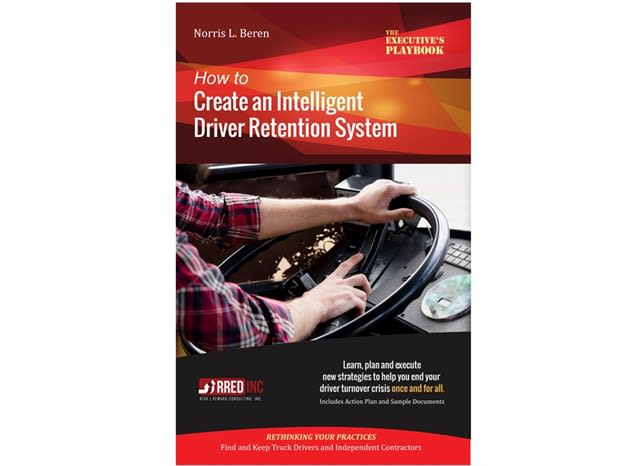
Photo: Risk Reward Consulting
Risk Reward Consulting is offering advanced executive leadership training programs called Drivers Are First, designed to help carrier companies build an intelligent driver retention system and reduce turnover.
The programs add critical driver retention and recruiting issues that carrier executive teams regularly face, focusing on the CEOs as change agents within their companies.
“CEOs of transportation companies are concerned about many matters that are negatively impacting safe and efficient operations for the motoring public. With the annual truck driver turnover rate close to 100 percent, the market is experiencing a real crisis," said Norris Beren, CEO of Risk Reward Consulting. "We think it is more critical now than ever to address these issues head on; therefore, we decided to create an opportunity to help companies identify and resolve the real issues that are preventing them from finding and keeping qualified drivers."
At Drivers Are First workshops, transportation experts will present on a variety of key retention-related topics. The agenda cover topics that include:
Seven Recruiting Costs You Can Reduce with an Intelligent Retention Strategic Plan
How to Develop an "Attractor Factor" Approach to Get and Keep the Best Qualified Drivers in an Unattractive and Threatened Industry
Using Technology to Shorten the Application-to-Orientation Timeline with Substantially Improved Results
Cut Orientation Time Significantly and Get the New Drivers on the Road One or Two Days Sooner
Learn to Hire for "Traits" Not Experience and Skills
The learning programs are available for newer companies with smaller budgets as well as veteran companies with larger budgets that are having trouble getting desired results. For more information, click here.
More Fleet Management

Kodiak Lines Up Fleets for Driverless Trucking
An agreement for 75 trucks, a new Texas freight lane, and progress on safety validation move Kodiak closer to its planned driverless highway launch.
Read More →
ITS Logistics Settles Religious Harassment Case
The Nevada-based logistics firm agreed to pay more than $396,000 to settle a religious harassment charge involving an employee's Jewish identity.
Read More →
Your Trucks Are Busy. That Doesn’t Mean They’re Winning.
High utilization doesn’t always mean strong margins. Looking beyond the current load can help fleets make better dispatch decisions and get more value from each truck’s time.
Read More →
Why This Trucking Recovery Is Different
Freight demand remains sluggish, but rising costs and tougher enforcement have taken enough capacity out of the market to change the outlook for motor carriers.
Read More →
Platform Science Adds Dispatch and Safety Tools
Four additions to PS Fleet help fleets monitor loads, manage driver coaching, share truck locations and adjust video system settings.
Read More →
PrePass Intelligence Mines Fleet Bypass, Toll and Safety Data
PrePass Intelligence helps fleets measure bypass savings, flag potential toll overcharges, and spot suspicious transactions by combining data from separate systems.
Read More →
Motive Adds AI Agents for Fleet Operations
New tools automate follow-up on fleet data, from maintenance work orders to driver alerts, with two-way voice conversations planned for later this year.
Read More →
Can You Beat Our Trucking Trivia Challenge?
Test your truck knowledge with 19 trivia questions from Heavy Duty Trucking Exchange. Can you keep up with the fleet pros?
Read More →
BeyondTrucks Adds Rules Checks to Dispatch
New Compatibility Engine checks driver qualifications, equipment requirements and fleet policies before loads are dispatched.
Read More →
Diesel Prices Hijack Trucking’s Worry List
ATRI’s annual survey finds cautious optimism about freight, but diesel costs, litigation, and insurance continue to squeeze fleets. Drivers have different priorities on several issues.
Read More →