




Presidential Memorandum Requires Federal Fleet to Move to Alternative Fuels
President Obama issued a Presidential Memorandum Tuesday directing federal agencies to lead by example in fuel efficiency and innovative technology, including buying 100 percent alternative fuel vehicles by 2015 and a 30 percent decrease in petroleum consumption by 2020
President Obama issued a Presidential Memorandum Tuesday directing federal agencies to lead by example in fuel efficiency and innovative technology, including buying 100 percent alternative fuel vehicles by 2015 and a 30 percent decrease in petroleum consumption by 2020.
"The Federal Government operates the largest fleet of light duty vehicles in America," reads the memorandum. "We owe a responsibility to American citizens to lead by example and contribute to meeting our national goals of reducing oil imports by one-third by 2025 and putting one million advanced vehicles on the road by 2015.
By December 31, 2015, all new light duty vehicles leased or purchased by agencies must be alternative fueled vehicles, such as hybrid or electric, compressed natural gas, or biofuel.
"Living up to that responsibility means the federal fleet should operate only as many vehicles as needed to work efficiently, leveraging federal purchasing dollars to build manufacturing capacity for more alternative fueled vehicles, and reducing petroleum consumption through efficiency and alternative fuels."
The memorandum also addressed issues such as vehicle size, engine size, optional equipment, and optimum fleet size.
In conjunction with the announcement, the General Services Administration launched a pilot project to incorporate electric vehicles and technologies into the federal fleet. GSA announced its initial purchase of more than 100 electric vehicles for a vehicle pilot. These vehicles will be leased to 20 agencies, including the Department of Energy.
As manager of federal fleets and buildings, GSA will also coordinate with these agencies to establish necessary infrastructure for fueling and recharging at Federal building locations receiving the first round of vehicles.
GSA awarded contracts to Chevrolet, Nissan, and Think City vehicles. As the pilot progresses, other companies may bid to become eligible for future purchases.
Last year, GSA doubled the Federal hybrid fleet without increasing the total number of vehicles. The resulting improvement in fleet fuel efficiency will reduce petroleum consumption by the equivalent of an estimated 7.7 million gallons of gasoline, or 385,000 barrels of oil.
The Department of Energy is also working closely with the private sector to transition commercial fleets to alternative, fuel-efficient technologies. As part of the National Clean Fleets Partnership President Obama launched in April, DOE is helping companies to reduce diesel and gasoline use in their fleets by incorporating electric vehicles, alternative fuels, and fuel-saving measures into their daily operations.
Energy expert and natural-gas advocate T. Boone Pickens applauded the president's move, issuing a statement saying, "This is the leadership we need on this critically important issue - we simply have to get America off OPEC oil. This is a great move and I hope the president's next step will be to lobby Congress to pass the NAT GAS Act - HR 1380 - which will reduce our dependence on OPEC oil, improve our national security and help our economy grow."
Last Friday, Pickens criticized Obama for not having developed the energy plan he promised Americans as a presidential candidate in 2008 -- also saying that Republicans have been remiss in tackling the problem as well.
The National Biodiesel Board also praised the move, pointing out biodiesel's unique position as a widely available advanced biofuel that significantly reduces emissions and can be used in existing vehicles. The Federal Government uses more than 66 million gallons of diesel fuel and 6.5 million gallons of biodiesel each year, the board noted.
You can read the entire Presidential Memorandum on Federal Fleet Performance here.
More Aftermarket
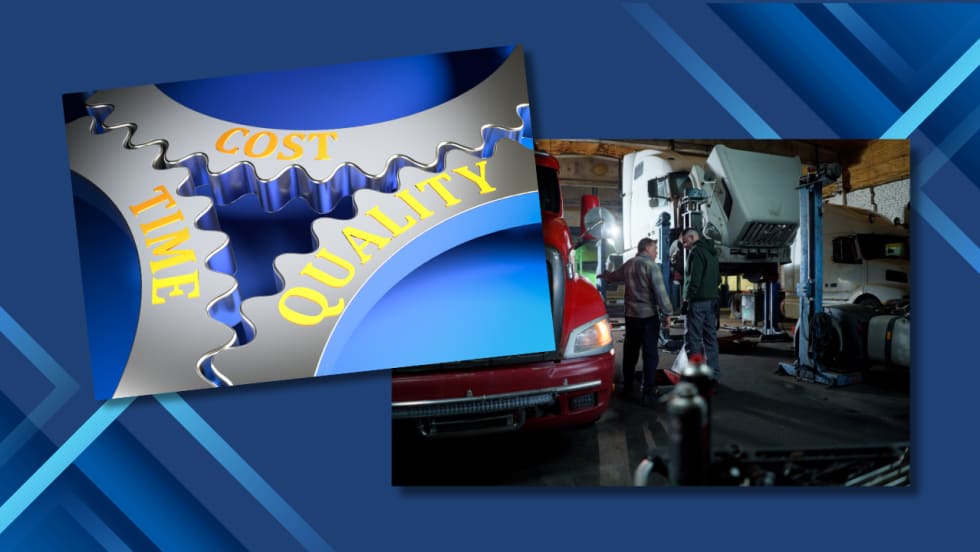
What Three Fleets Are Doing Differently When Buying Truck Parts in 2026
With freight improving but costs still climbing, fleet maintenance executives explain how they're balancing price, quality, and supplier relationships.
Read More →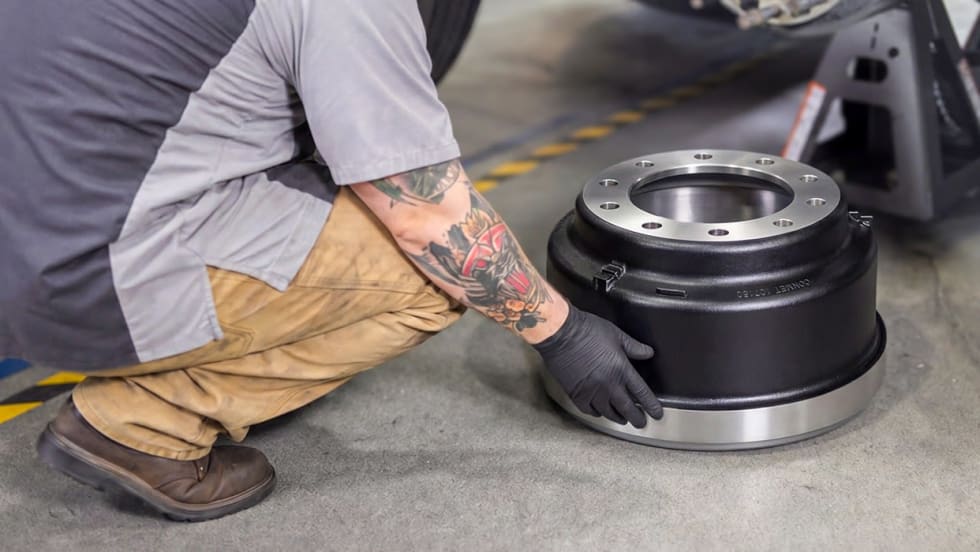
ConMet Expands Aftermarket Brake Drum Lineup With TruCast
A new heavy-duty truck brake drum option in the aftermarket gives customers more flexibility within the ConMet product family.
Read More →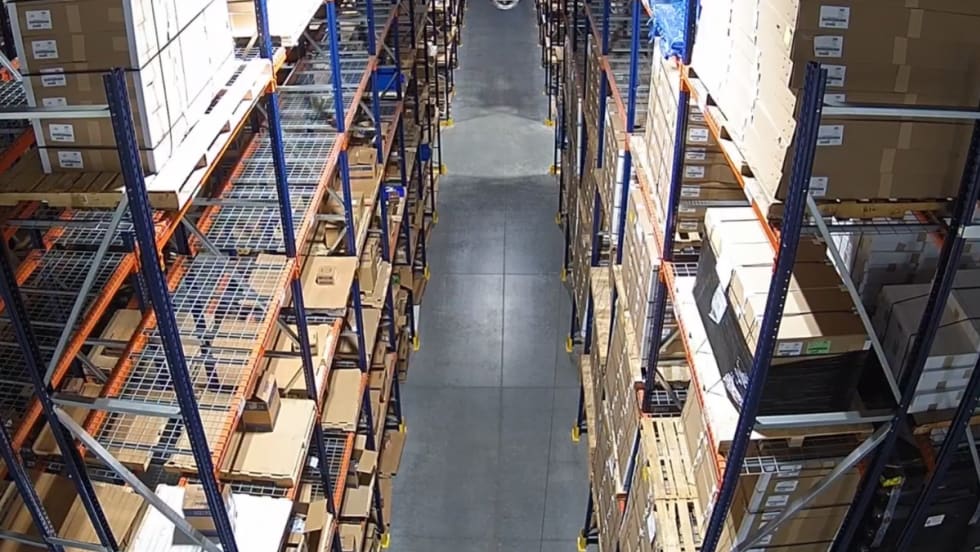
Phillips Opens High-Tech Distribution Center for Faster Parts Delivery
Phillips Industries’ new Cincinnati-area distribution center is now shipping aftermarket trucking parts nationwide, aiming to speed up delivery times for customers.
Read More →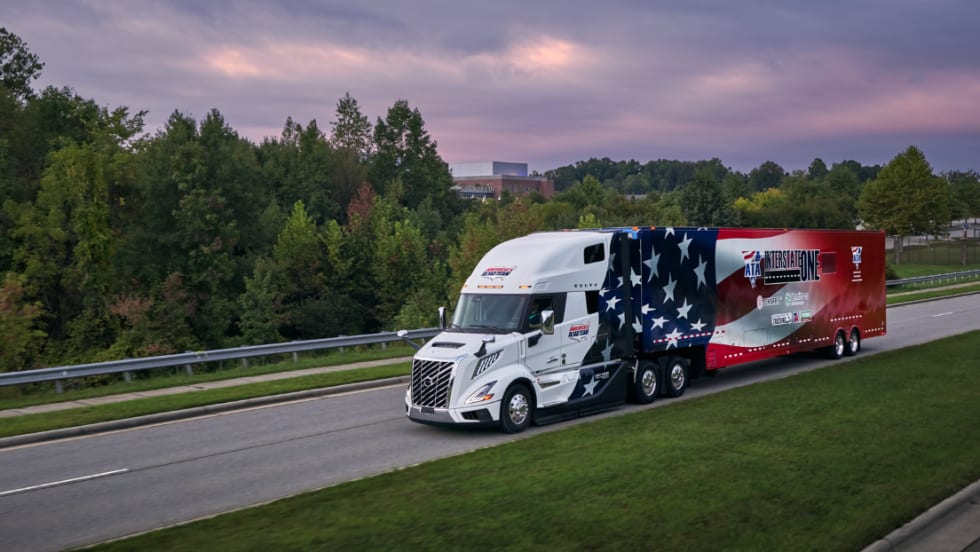
Volvo to Sponsor America’s Road Team for 2025
Volvo Trucks announced that it is extending its exclusive sponsorship of America’s Road Team for 2025.
Read More →
Webb to Start Taking Orders for UltraSet Pre-Adjusted Wheel Hubs
Webb, which recently acquired the Stemco Trifecta pre-adjusted hub program, will soon start taking orders for its replacement pre-assembled hub, the UltraSet.
Read More →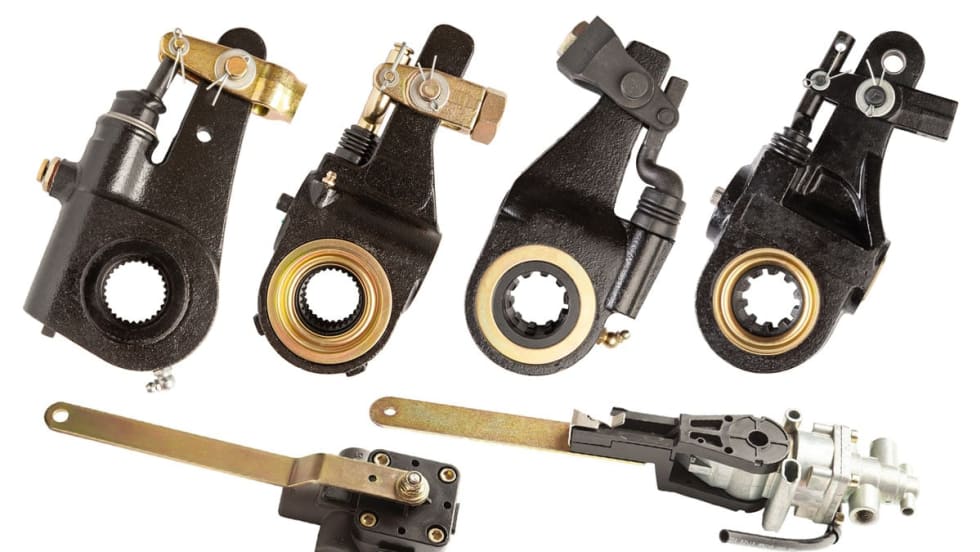
All-Makes Automatic Brake Adjusters, Ride Height Control Valves from Midland
SAF-Holland has added automatic brake adjusters and ride height control valves to its Midland All-Makes Program.
Read More →
ZF Aftermarket Expands [pro]Academy Training
ZF Aftermarket said it is expanding its ZF [pro]Academy training and will be adding 40 new modules this year.
Read More →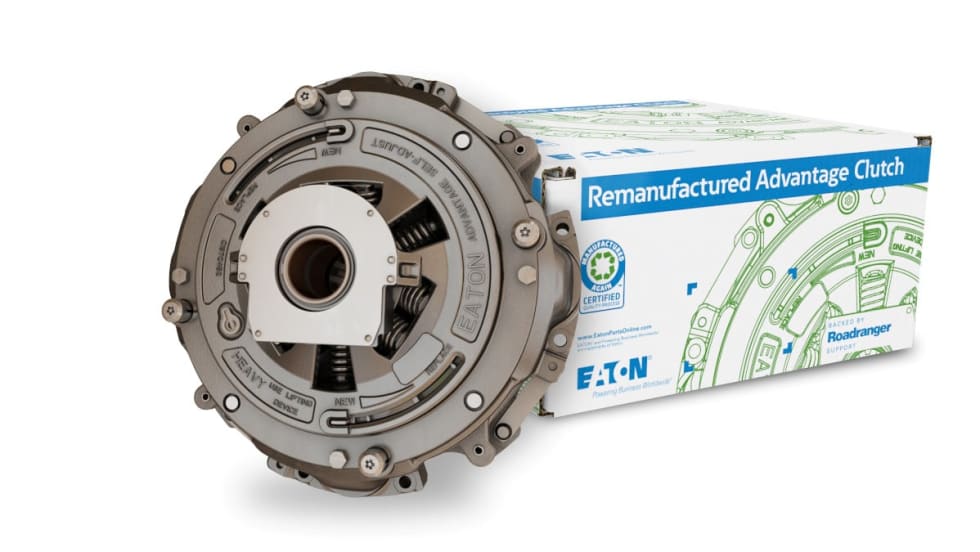
Eaton Adds Remanufactured Advantage Line of Clutches
Eaton has added its Advantage clutches to its remanufactured product line. The clutches feature a unique strap drive intermediate plate designed to allow customers to choose the latest OE specification
Read More →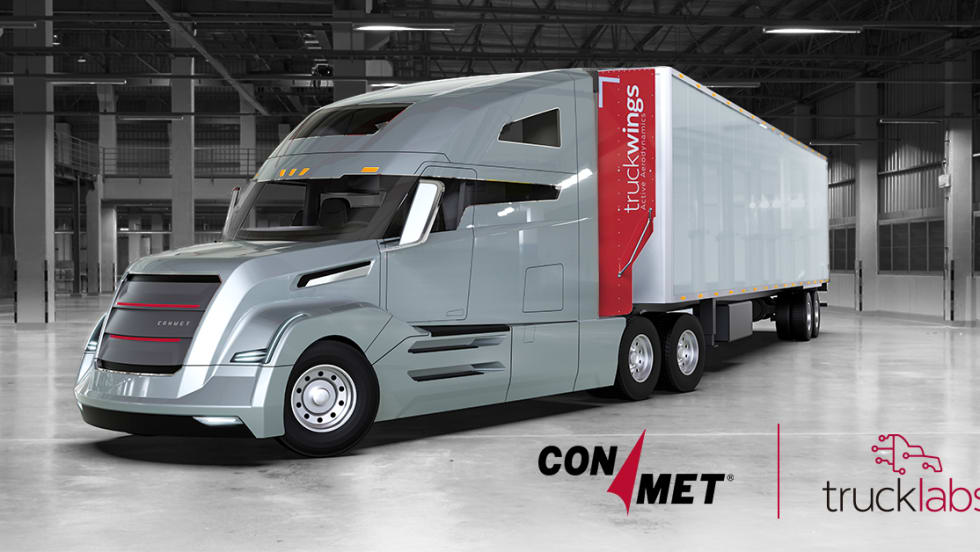
ConMet Acquires TruckLabs, the Creator of TruckWings
Commercial truck and trailer parts provider ConMet acquired TruckLabs, the company that created TruckWings, an aerodynamic device that attaches to truck cabs and deploys to close the gap between truck and trailer. TruckLabs now operates as a subsidiary of ConMet.
Read More →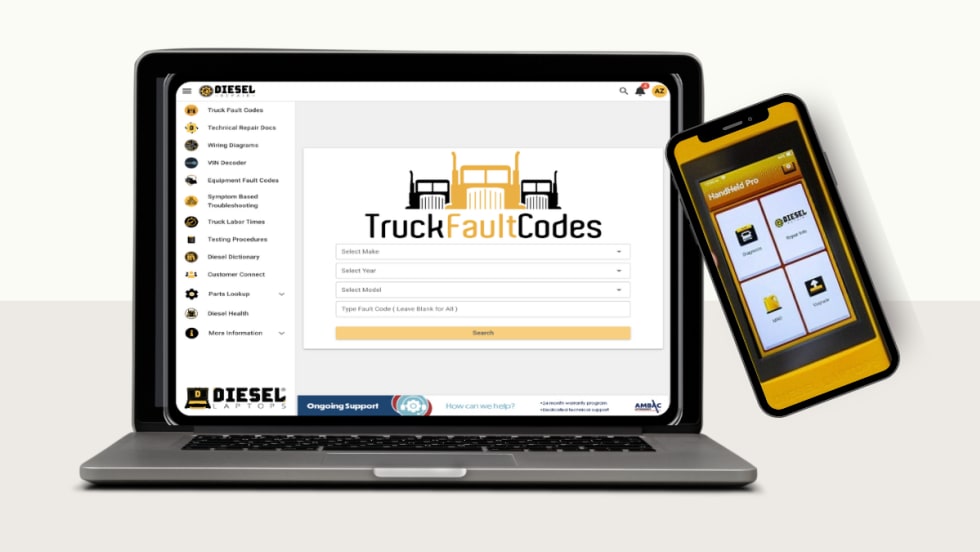
Diesel Laptops Releases Fault-Code-to-Part-Number Tool
Diesel Laptops said its Truck Fault Codes allows users to input a fault code and immediately identify and order the parts needed to complete repair work.
Read More →