




Port of LA Wins Judge's Finding on Concession Program
A federal judge in California last week upheld the Port of Los Angeles' concession program for drayage carriers, setting the stage for an appeal by the trucking industry. Judge Christina A. Snyder of the U.S. District Court for the Central District of California found that the concession program is legal because the port is a private business and is thus exempt from the law that says only the federal government has the authority to regulate trucking business operations
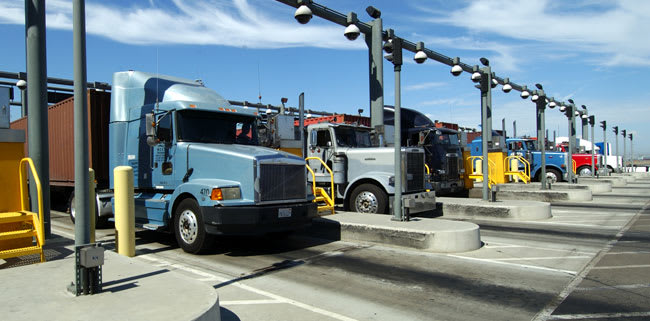
A judge's finding could lift the injunction against the Port of Los Angeles implementing its owner-operator ban. (Photo courtesy Port of Los Angeles.)
A federal judge in California last week upheld the Port of Los Angeles' concession program for drayage carriers, setting the stage for an appeal by the trucking industry.
Judge Christina A. Snyder of the U.S. District Court for the Central District of California found that the concession program is legal because the port is a private business and is thus exempt from the law that says only the federal government has the authority to regulate trucking business operations.
Because the judge's decision is finding, rather than a ruling, the current injunction against the concession program remains in place, said Curtis Whalen, executive director of the Intermodal Motor Carriers Conference of American Trucking Associations.
Soon, perhaps this week, Judge Snyder will issue a ruling based on her finding. It is possible that she will keep the injunction in place in the expectation of an appeal by ATA, but Whalen expects she will lift it.
At that point ATA will appeal either back to the District Court or to the U.S. Court of Appeals for the Ninth Circuit - most likely the latter, Whalen said.
The Owner-Operator Question
The port's concession program is a matter of deep concern to trucking and shipping interests not just in California but around the country.
The program has by all accounts done a good job of cleaning up truck engine emissions in and around the port, but it includes provisions that restrict trucking operations, including one that would ban owner-operators from providing drayage service and require all drivers to be employees of companies.
This alarms carriers and shippers because it would open the door for unionization of port drivers.
Somewhere between 88 and 96 percent of the trucks serving the port are driven by independent owner-operators. Under current law they cannot be organized, Whalen said. "They are by nature independent and various labor laws say that if you are independent you can't be unionized."
There is no guarantee that the Teamsters could succeed in organizing the drivers, but if the Port of LA prevails the union would be able to try.
"You don't run into many owner-operators, at least among my members, who want to be unionized," Whalen said. "They want to be what they are, which is independent."
This is a critical issue not only for California but for other ports, Whalen said. "If (the concession program) were to stand, clearly the Teamsters and their allies will work real hard in those cities where they have friendly mayors to make this a mandate also."
Reaction
In a statement, ATA said it is disappointed by Snyder's decision, believes it to be in error and will act to keep the injunction against the concession program in place.
"Inasmuch as all parties agreed at trial that the benefits of the clean truck and clean air elements of the Clean Trucks Plan have been fully realized with the injunction in place, neither the Port nor the people of California have been harmed by the preliminary injunction, and we hope that request will be granted," ATA said.
A coalition of interests that have been pushing the concession agreements, including the Teamsters union and the Natural Resources Defense Council, applauded the finding.
"This victory bolsters the standing of burgeoning clean port programs across the nation," said Melissa Lin Perrella, senior attorney with the NRDC in a statement. "Millions of people live in port communities across the country and are forced to subsidize the operations of outdated port operations with their lungs. This decision allows the Port of Los Angeles to continue introducing cleaner trucks while getting dirty ones off the road."
Los Angeles Mayor Antonio Villaraigosa said in a statement that "this decision is evidence that we are making real progress on growing and greening our Port. Now we can finally move forward with our Clean Truck Program, a model for ports around the nation."
A Different Approach
In fact, clean truck programs at LA and the Port of Long Beach have been remarkably successful, even though Long Beach has not taken the same concession approach as LA.
"The Port of Long Beach estimates that it has already achieved its goal of reducing pollution from port trucks by 80 percent by 2010, two years ahead of schedule," Rep. James Oberstar, D-Minn., said at a hearing on the issue in May. "The Port of Los Angeles estimates that to date, port truck air emissions have been reduced over 70 percent compared to 2007 levels."
The LA Port's position is that the owner-operator business model simply cannot produce enough revenue to ensure that the truck owner will be able to afford a modern engine that meets federal clean air standards without ongoing financial assistance.
But the Port of Long Beach operates with a registration plan that permits owner-operators as well as drayage companies, and it has seen no difference in performance between the two, said Deputy Executive Director Christopher Lytle at the hearing in May.
"We believe that we have a very effective program that gives us a tremendous amount of flexibility and control over issues of safety, security and environmental," Lytle said. "Under existing law we have what we need to make sure that trucks are both safe and environmentally compliant."
Whalen said that ATA tried without success to raise the Port of Long Beach's experience during the trial earlier this year. "But it would appear to be relevant and I expect the Court of Appeals will be looking at it as well," he said.
Legislative Approach
There also is a political component to this issue: Rep. Jerrold Nadler, D-N.Y., has introduced a bill that would give ports more authority over drayage operations. His Clean Ports Act would create an exemption to current law to let ports set requirements "reasonably related" to improving pollution, congestion, safety operations at ports. This could give the LA Port the green light to proceed with its concession plan.
Rep. Oberstar, the chairman of the House Transportation and Infrastructure Committee, which will handle the bill, has not taken a position on the measure. It is not likely to be taken up until Congress gets around to dealing with reauthorization of the federal surface transportation program - next year at the earliest.
More Aftermarket
What Three Fleets Are Doing Differently When Buying Truck Parts in 2026
With freight improving but costs still climbing, fleet maintenance executives explain how they're balancing price, quality, and supplier relationships.
Read More →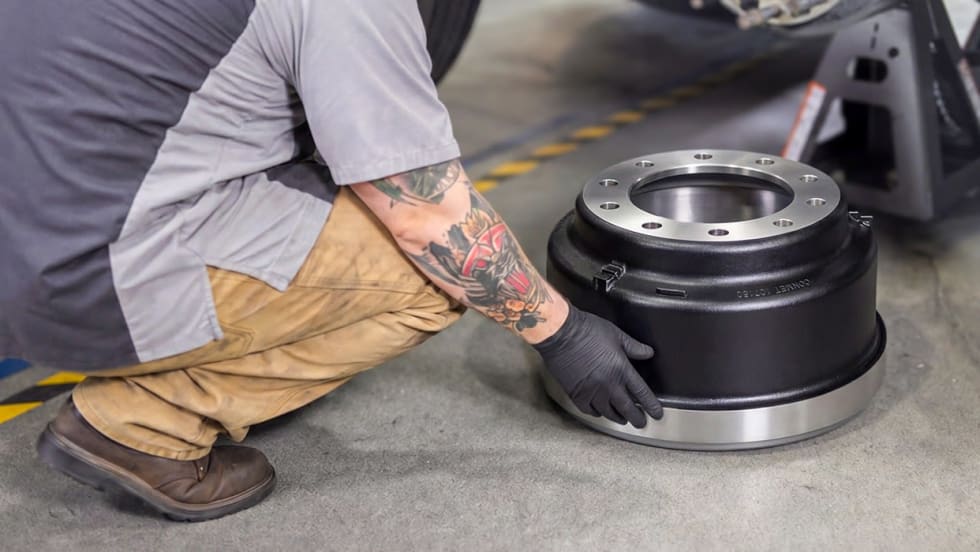
ConMet Expands Aftermarket Brake Drum Lineup With TruCast
A new heavy-duty truck brake drum option in the aftermarket gives customers more flexibility within the ConMet product family.
Read More →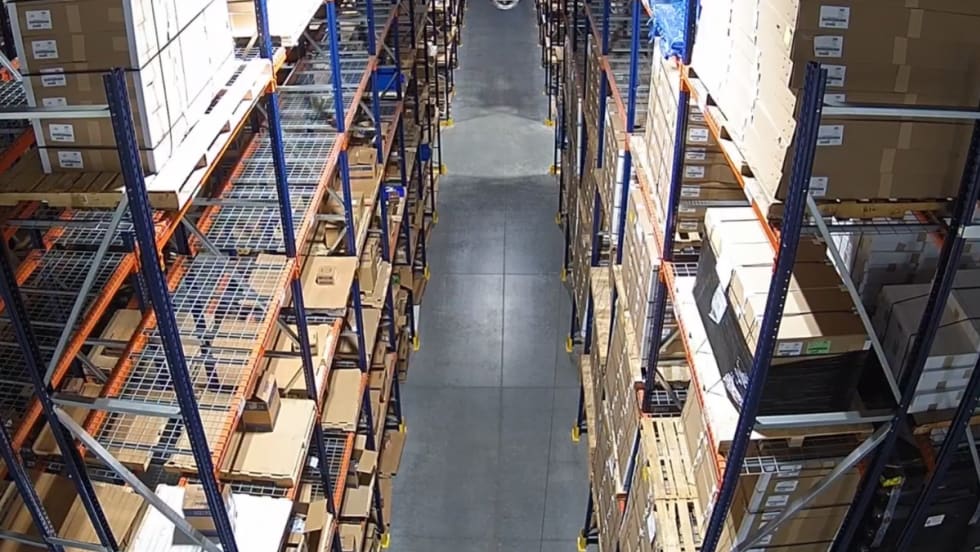
Phillips Opens High-Tech Distribution Center for Faster Parts Delivery
Phillips Industries’ new Cincinnati-area distribution center is now shipping aftermarket trucking parts nationwide, aiming to speed up delivery times for customers.
Read More →
Volvo to Sponsor America’s Road Team for 2025
Volvo Trucks announced that it is extending its exclusive sponsorship of America’s Road Team for 2025.
Read More →
Webb to Start Taking Orders for UltraSet Pre-Adjusted Wheel Hubs
Webb, which recently acquired the Stemco Trifecta pre-adjusted hub program, will soon start taking orders for its replacement pre-assembled hub, the UltraSet.
Read More →
All-Makes Automatic Brake Adjusters, Ride Height Control Valves from Midland
SAF-Holland has added automatic brake adjusters and ride height control valves to its Midland All-Makes Program.
Read More →
ZF Aftermarket Expands [pro]Academy Training
ZF Aftermarket said it is expanding its ZF [pro]Academy training and will be adding 40 new modules this year.
Read More →
Eaton Adds Remanufactured Advantage Line of Clutches
Eaton has added its Advantage clutches to its remanufactured product line. The clutches feature a unique strap drive intermediate plate designed to allow customers to choose the latest OE specification
Read More →
ConMet Acquires TruckLabs, the Creator of TruckWings
Commercial truck and trailer parts provider ConMet acquired TruckLabs, the company that created TruckWings, an aerodynamic device that attaches to truck cabs and deploys to close the gap between truck and trailer. TruckLabs now operates as a subsidiary of ConMet.
Read More →
Diesel Laptops Releases Fault-Code-to-Part-Number Tool
Diesel Laptops said its Truck Fault Codes allows users to input a fault code and immediately identify and order the parts needed to complete repair work.
Read More →