




Peterbilt Details MX-13 Engine Option Upgrades
Peterbilt announced it will offer the MX-13 with two new ratings for 2019 model year engines at the ATA Annual Meeting in Austin, Texas.

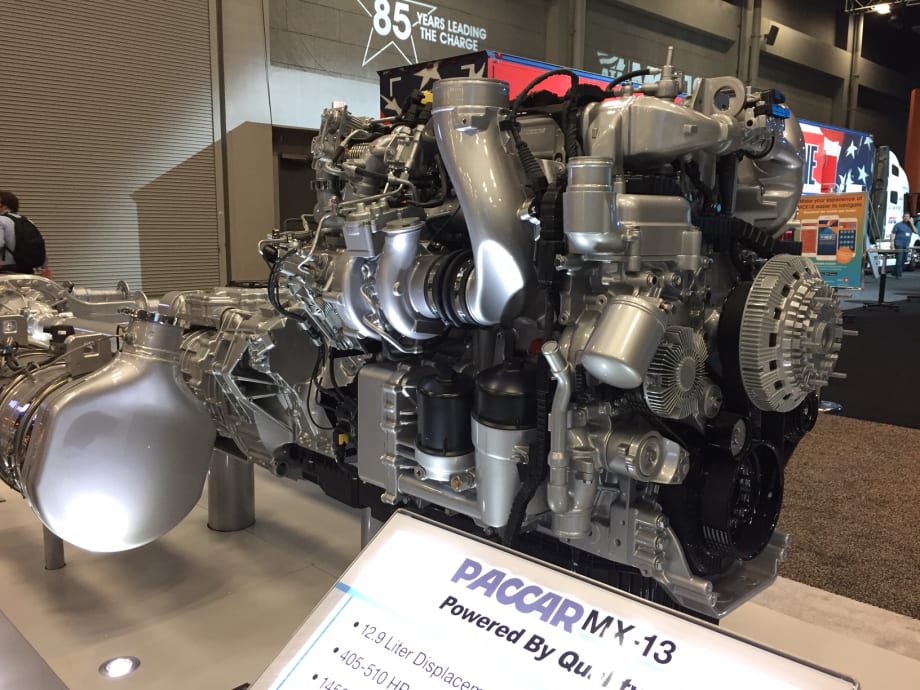
Peterbilt will offer the MX-13 with two new ratings for the 2019 model year engines; a multi-torque 455 HP version with a torque rating of 1,650 – 1,850 lb.-ft. and a 405 HP version with 1,650 lb.-ft. of torque.
Photo: Deborah Lockridge
Peterbilt announced updated offerings for the 2019 Paccar engines at the American Trucking Associations' Annual Meeting in Austin, Texas, on Oct. 28.
Peterbilt will offer the MX-13 with two new ratings for the 2019 model year engines; a multi-torque 455 HP with a torque rating of 1,650 – 1,850 lb.-ft. and a 405 HP with 1,650 lb.-ft. of torque. Each update for model year 2019 engines was specifically designed to result in increased reliability and fuel economy.
When packaged with the Paccar Transmission and the Paccar 40k rear axle, the new 405-hp and 1,650 lb.-ft. torque rating for the MX-13 provides one of most fuel-efficient integrated powertrains for long-haul customers, the company says.
“Peterbilt and Paccar Powertrain work closely to ensure Peterbilt customers have the most fuel efficient options available, and they already benefit from a total weight savings of more than 500 lbs. when spec’ing the full Paccar Powertrain on the Model 579,” said Wesley Slavin, Peterbilt’s on-highway marketing manager. “Peterbilt’s customers have challenged us to find even more ways to maximize fuel economy and these new ratings deliver.”
The new engine ratings will be available January 2019.
More Equipment

More Trailer Data Through the Same Seven-Way [Video]
Can trucking’s standard seven-way connector handle more cameras and trailer data? Grote’s Adam Slade shows HDT how the company is using new technology with its 4See trailer system, not only to add a new backup camera but also to expand other capabilities — without adding another connection.
Read More →
Grote: More Cameras, Same Seven-Way Connector
The next-generation 4See rear-view backup camera from Grote uses the standard seven-way connector and supports additional cameras and other trailer data.
Read More →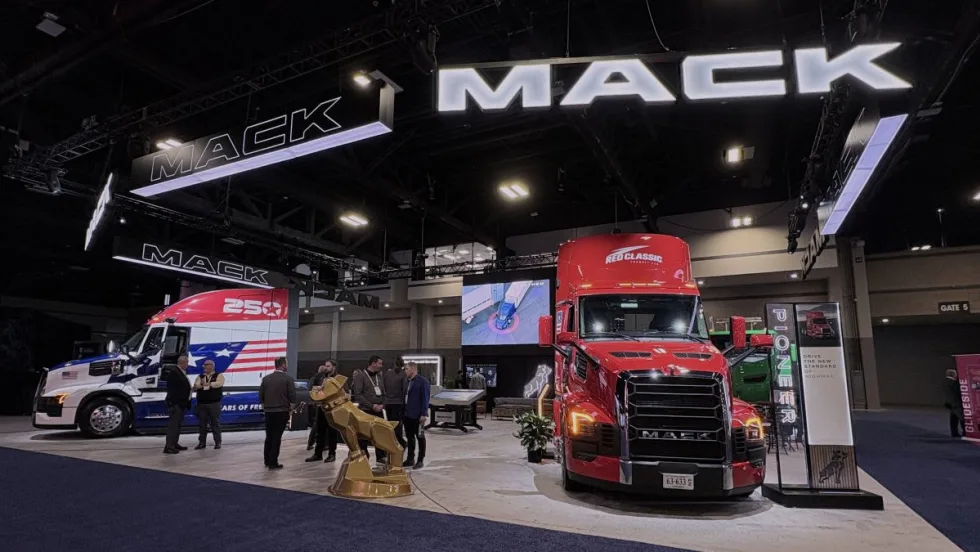
Trucks at ATA's 2026 MC&E in Charlotte, North Carolina [Photos]
From rigs decked out in patriotic America's 250 paint schemes to autonomous trucks and more, check out these photos from ATA's 2026 Management Conference & Exhibition.
Read More →
Help HDT Find Trucking’s Top Products
Have you come across a new product that could make a difference for trucking fleets? Nominate it for HDT’s 2027 Top 20 Products Awards by November 9.
Read More →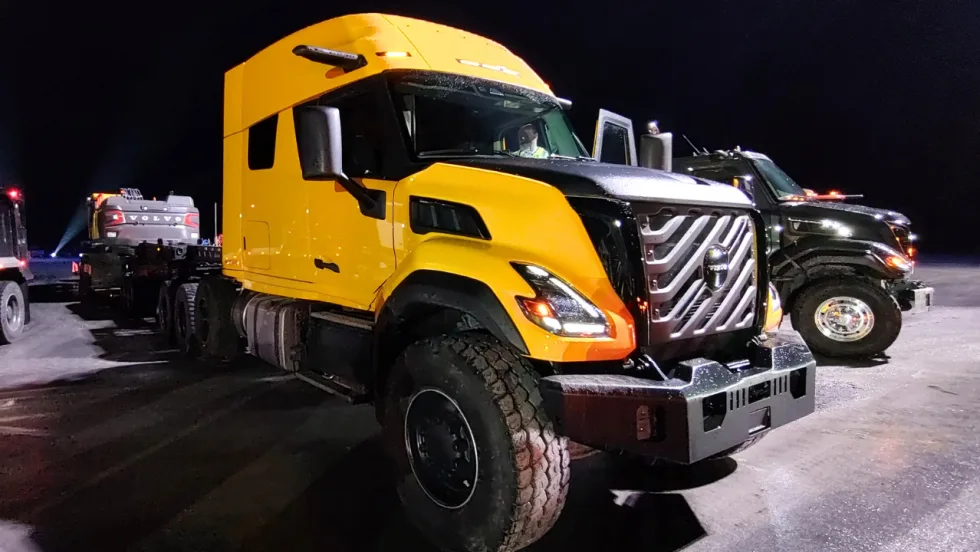
Volvo Unveils New VNX Heavy-Haul and Vocational Truck
Volvo Trucks has launched the VNX, a new vocational truck also available as a tractor in day cab and two sleeper configurations, with one heavy-haul model. The Volvo VNX is powered by Volvo's D13 platform, which delivers up to 540 horsepower and 1,950 pound-feet of torque and is EPA 2027-compliant.
Read More →
How GP Transco Cuts Trucking Fuel Costs, a Tenth of a Gallon at a Time
What’s another tenth of a mile per gallon worth? GP Transco shares how equipment upgrades and driver coaching turn small gains into meaningful fuel savings.
Read More →
Electric Yard Tractors Move Beyond Pilots
Operating-cost savings have overtaken sustainability goals as the leading reason surveyed fleets are adopting battery-electric terminal tractors, according to new NACFE research.
Read More →
Continental Introduces New Regional Truck Tires
Continental says its new Generation 5 steer and drive tires for regional operations offer longer tread life, with estimated mileage gains of 22% and 19%, respectively.
Read More →
Tekmodo Introduces CargoBright Brand for Translucent Trailer Roofs
CargoBright is designed to diffuse daylight across the cargo area while performing as a working vehicle roof.
Read More →
Fleet Economics Shape Electric Truck Outlook
ACT Research expects costs, charging infrastructure, and technology improvements to drive zero-emission commercial vehicle adoption as federal regulations and incentives retreat.
Read More →