




Pennsylvania Turnpike Tolls Now Higher
Tolls went up on Pennsylvania toll roads at 12:01 a.m. Sunday, Jan. 2, and for the first time, E-ZPass customers will pay less than cash customers
Tolls went up on Pennsylvania toll roads at 12:01 a.m. Sunday, Jan. 2, and for the first time, E-ZPass customers will pay less than cash customers.
Officials encourage motorists to take advantage of E-ZPass incentives that, for the first time, will represent a sizeable difference compared to cash rates. E-ZPass customers, who constitute about two-thirds of Pennsylvania Turnpike users, will pay 3 percent more in 2011 compared to a 10-percent increase for cash-paying motorists. Combined, the new rates will result in an overall toll increase of 5 percent.
For a short time, no fare schedule will be printed on toll tickets dispensed upon entry. The new tickets with printed schedules are now in production. Until the new tickets are delivered in February or March, you can call the toll-rate hotline at 866-976-TRIP (866-976-8747), or go to www.paturnpike.com/toll/2010_tolls.aspx for a printable toll schedule or a calculator that will determine trip mileage and exact toll based upon point of entry and exit, vehicle class and number of axles.
Annual Turnpike toll increases are the result of Act 44 of 2007 and a funding agreement with the Pennsylvania Department of Transportation (PennDOT) to finance non-Turnpike road and bridge improvements and transit services across the Commonwealth. Since Act 44 became law in July 2007, the PTC has provided $2.725 billion in supplemental funding to PennDOT and is obligated to continue to pay PennDOT $450 million annually until the 50-year agreement ends in 2057.
In addition to the supplemental funding to PennDOT, new revenues from the 2011 toll increase (only the eighth increase in 70 years) will also help fund the Turnpike's Capital Improvement Plan, which includes the vital reconstruction and six-lane widening projects now under way and planned throughout the 545-mile Turnpike system.
More Drivers
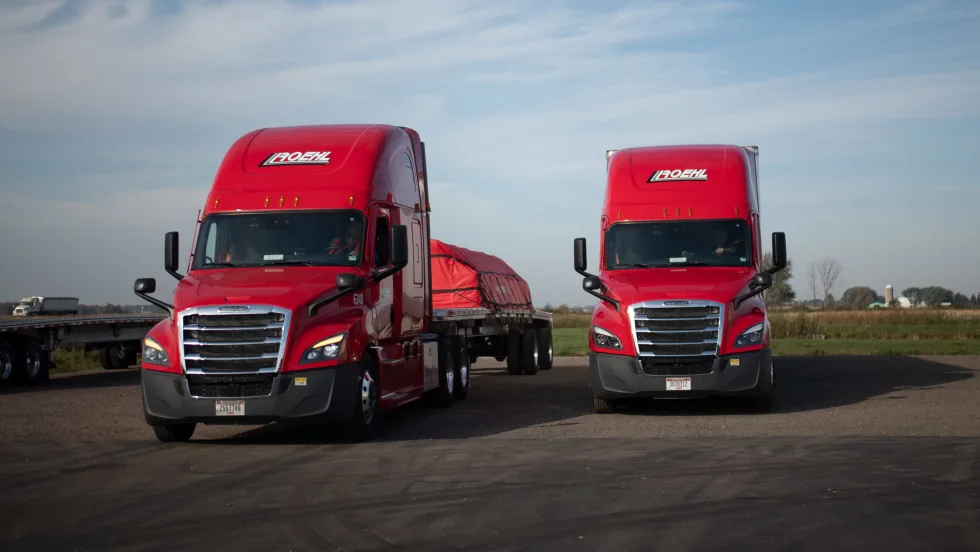
Roehl Offers Truck Drivers $10,000 Retention Incentive
Payments begin after the first load and continue in mileage-based installments for eligible experienced drivers joining the fleet.
Read More →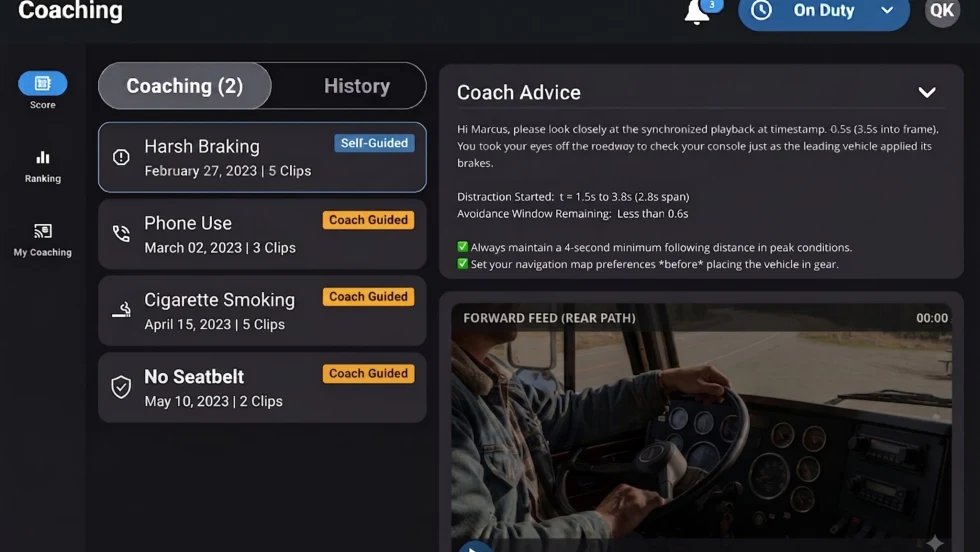
Platform Science Adds Dispatch and Safety Tools
Four additions to PS Fleet help fleets monitor loads, manage driver coaching, share truck locations and adjust video system settings.
Read More →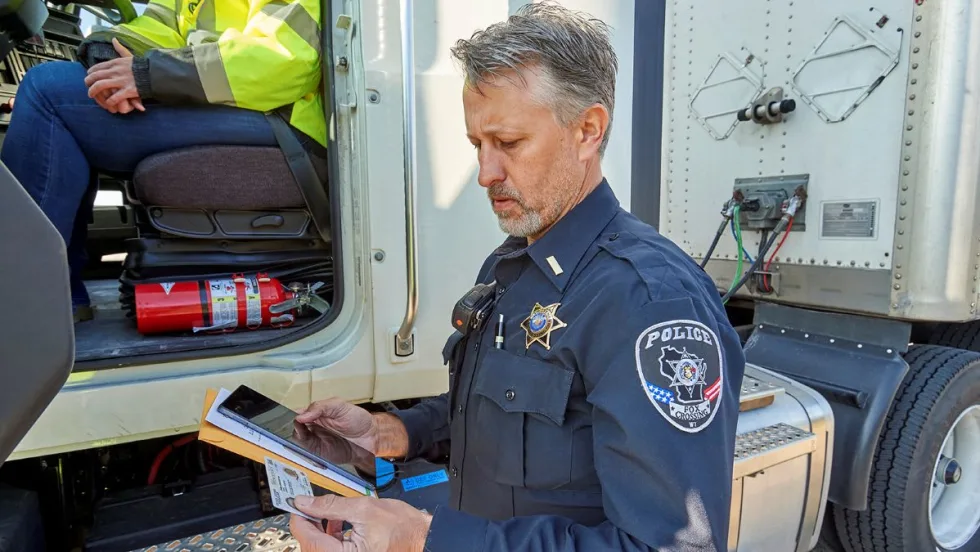
When Language Stops the Truck: The Return of ELP Out-of-Service Orders
English language proficiency rules for commercial drivers aren’t new, but renewed out-of-service enforcement has raised the stakes. Here’s what carriers need to know before a driver reaches a roadside inspection.
Read More →
Samsara Launches Custom AI Agent Builder
Agent Studio lets fleets create AI tools for hours-of-service monitoring, reporting and driver support, including agents that communicate by phone.
Read More →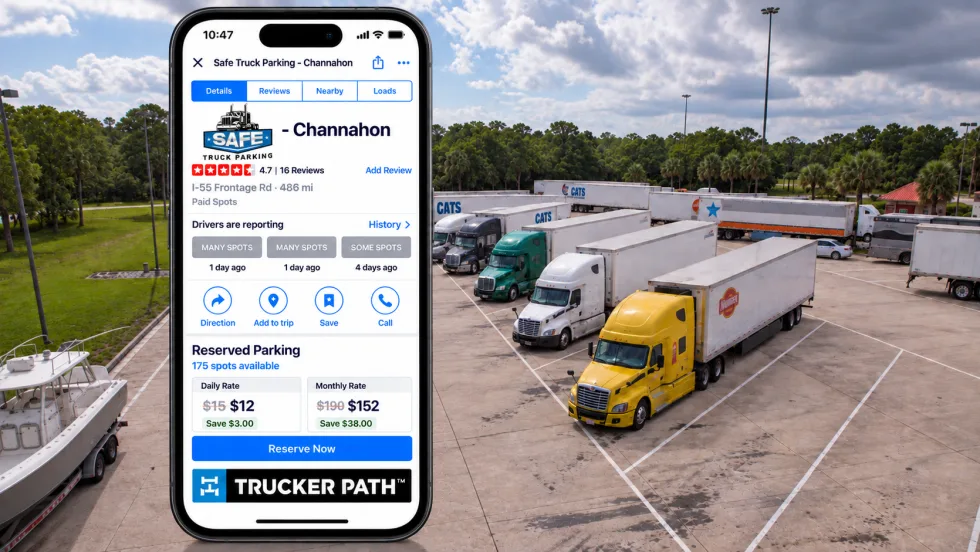
Trucker Path Expands Reserved Parking Network
Trucker Path has added close to 6,000 more truck parking spaces to its Trucker Path Reserved Parking Network with the addition of Safe Truck Parking.
Read More →
EEOC Sues Texas Trucking Company Over Driver Age Limits
The agency says Trancasa USA rejected applicants over 65 and applied tougher driving-record standards to those over 60.
Read More →
Nussbaum, Roehl Announce Second Driver Pay Increase This Year
This year has seen a swath of major truck driver pay increases as freight capacity has tightened.
Read More →
From One Generation to the Next: How Mentorship Builds Safer Truck Drivers
After three decades in trucking, Harold Perry shares what he's learned about driver safety, mentorship, and helping the next generation build confidence behind the wheel.
Read More →
Truck Drivers Need More Than Another Alert
Fleets have more visibility into truck health, safety events, and driver activity than ever. The next challenge is turning all that information into useful guidance for the person who has to decide what to do next.
Read More →
FMCSA Removes 110 Truck Driver Training Schools from Certified ELDT List
Federal regulators also are targeting more than 160 additional training providers and launching a nationwide audit of third-party CDL skills testers as part of a broader crackdown on trucking fraud.
Read More →