




Pennsylvania Turnpike Commission Completes All-Electric Toll Study
The Pennsylvania Turnpike Commission is considering converting to a cashless, all-electronic toll collection system due to advantages such as enhanced safety, a cleaner environment, reduced travel time and reduced operating costs
The Pennsylvania Turnpike Commission is considering converting to a cashless, all-electronic toll collection system due to advantages such as enhanced safety, a cleaner environment, reduced travel time and reduced operating costs.
The commission completed an AET Feasibility Report that includes the results of a year-long effort to outline the potential effects conversion to all-electric tolls would have on Pennsylvania Turnpike motorists, operations and stakeholders.
PTC determined that an AET is feasible from both a financial and physical perspective under certain conditions. The report also outlines a series of benchmarks that must be met before the PTC can make a final decision on the switch to the cashless system. A conversion would take at least five years, the commission says.
The commission will soon hire a program-management firm to oversee the next phase of the study and potentially assist the commission in implementing the new system.
Motorists would still be able to use the system without registering for E-ZPass (nearly two-thirds of Pennsylvania Turnpike travelers presently pay with E-ZPass). The ongoing study will identify other payment methods for customers, but E-ZPass would continue to be the least expensive option. Currently, E-ZPass customers pay about 17% less, on average, than those who pay with cash.
Some in the state's trucking industry have endorsed the idea of a cashless toll system because of the benefits for commercial operators.
"Keeping traffic moving at interchanges is important to us in the time-sensitive trucking business because it helps get that cargo delivered on time," says Jim Germak, owner of Jagtrux Inc., Marietta, Pa., and new chairman of the Pennsylvania Motor Truck Association. "Beyond the time savings, shippers could also save on fuel costs with electronic tolling because of reduced idling at the toll plaza, and trucks with E-ZPass would still pay lower rates under any such system, so company owners and accountants should appreciate that."
States including Texas, Florida, California, Colorado, Illinois, Maryland, Minnesota, New York and North Carolina are all at different stages of electronic-toll implementation.
To view the AET Feasibility Report, go to www.paturnpike.com/aet.
More Drivers
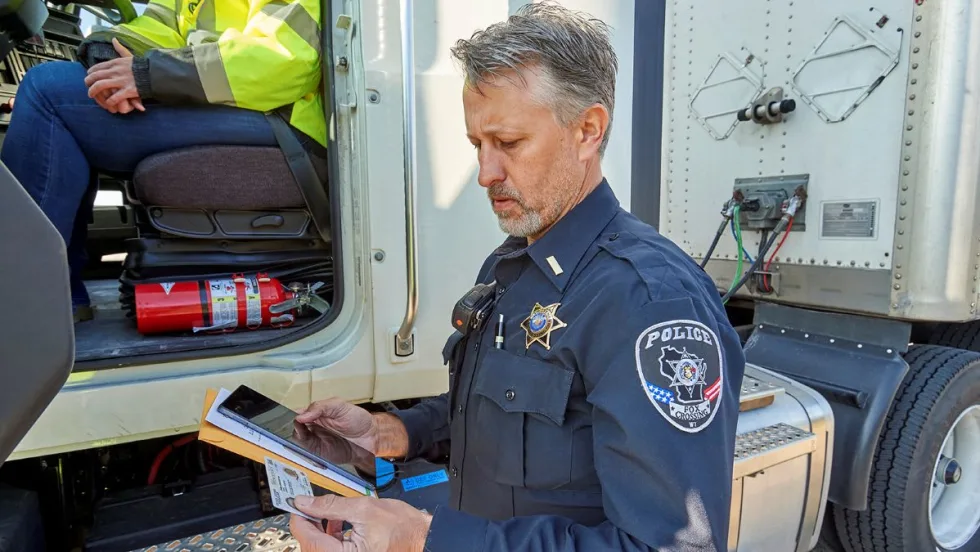
When Language Stops the Truck: The Return of ELP Out-of-Service Orders
English language proficiency rules for commercial drivers aren’t new, but renewed out-of-service enforcement has raised the stakes. Here’s what carriers need to know before a driver reaches a roadside inspection.
Read More →
Samsara Launches Custom AI Agent Builder
Agent Studio lets fleets create AI tools for hours-of-service monitoring, reporting and driver support, including agents that communicate by phone.
Read More →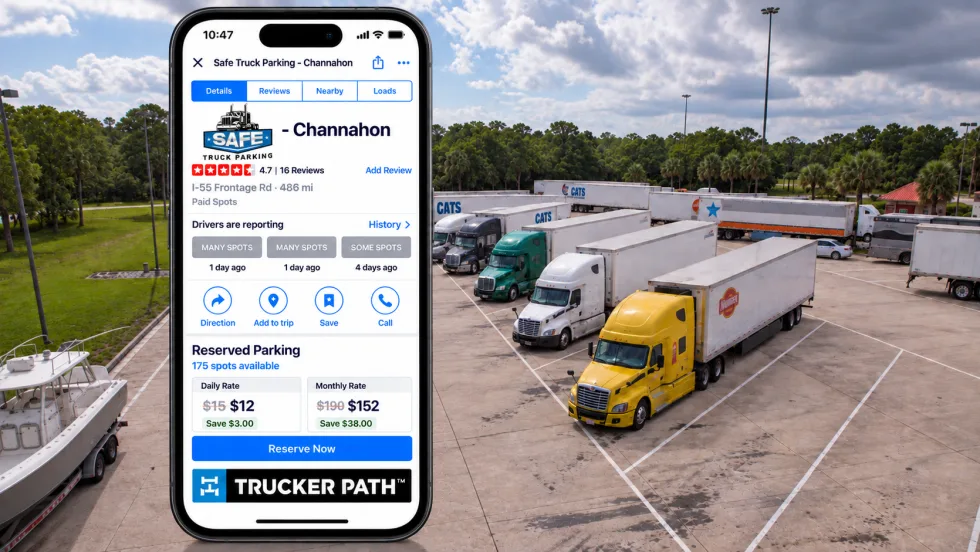
Trucker Path Expands Reserved Parking Network
Trucker Path has added close to 6,000 more truck parking spaces to its Trucker Path Reserved Parking Network with the addition of Safe Truck Parking.
Read More →
EEOC Sues Texas Trucking Company Over Driver Age Limits
The agency says Trancasa USA rejected applicants over 65 and applied tougher driving-record standards to those over 60.
Read More →
Nussbaum, Roehl Announce Second Driver Pay Increase This Year
This year has seen a swath of major truck driver pay increases as freight capacity has tightened.
Read More →
From One Generation to the Next: How Mentorship Builds Safer Truck Drivers
After three decades in trucking, Harold Perry shares what he's learned about driver safety, mentorship, and helping the next generation build confidence behind the wheel.
Read More →
Truck Drivers Need More Than Another Alert
Fleets have more visibility into truck health, safety events, and driver activity than ever. The next challenge is turning all that information into useful guidance for the person who has to decide what to do next.
Read More →
FMCSA Removes 110 Truck Driver Training Schools from Certified ELDT List
Federal regulators also are targeting more than 160 additional training providers and launching a nationwide audit of third-party CDL skills testers as part of a broader crackdown on trucking fraud.
Read More →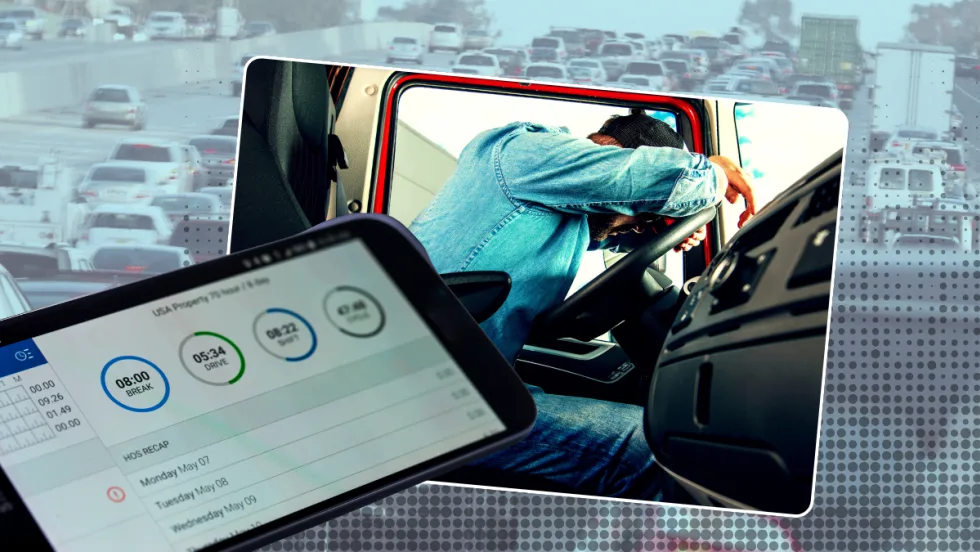
Hours of Service Pilot Programs: FMCSA Readies for 2027 Rollout
Two pilot programs could eventually reshape hours-of-service rules, giving truck drivers options to pause their 14-hour clock or use longer split sleeper rest periods.
Read More →
Medical Cards, English Proficiency Reshape Roadcheck Violations
Medical-card violations jumped to the top of the driver out-of-service list during CVSA’s 2026 International Roadcheck, while English-language proficiency violations appeared among the leading violations for the first time.
Read More →