




PennDOT, PA Turnpike Unveil New Tow Plow
Motorists using the Pennsylvania Turnpike and Interstate highways this winter will be in for a bit of a surprise. In addition to traditional plows, snow removal crews will also be using a 30-foot-long, tow-behind snowplows

The tow plow costs between $99,000 and $106,000 based on equipment. Photo by MoDOT.
Motorists using the Pennsylvania Turnpike and Interstate highways this winter will be in for a bit of a surprise. In addition to traditional plows, snow removal crews will also be using a 30-foot-long, tow-behind snowplows.
State Transportation Secretary Barry Schoch and the Pennsylvania Turnpike Commission's Chief Operating Officer Craig Shuey have just unveiled the state's latest weapon in their battle against winter weather.
Because of their size, tow plows are only used on limited-access roadways, interstates or other multi-lane roads.
"Used on multi-lane highways, a tow plow allows one truck to do the work of two," Schoch said. "By freeing up a truck and operator, we'll be better able to focus on lower-priority roads that normally would not receive as high a level of service until major routes are cleared."
PennDOT tested a tow plow two winters ago on Interstate 99 in Centre County and last year added tow plows in Allegheny, Berks and Lackawanna counties. This winter, PennDOT expects to have tow plows operating in Montgomery, Perry, Cambria and Schuylkill counties. PennDOT plans to have at least one tow plow operating in each of its 11 engineering districts by next winter. The Pennsylvania Turnpike expects to have four tow plows in service this winter.
"We've been working closely with PennDOT on expanding this technology to the Turnpike," Shuey said. "We strive to provide exceptional winter service on the Turnpike and the tow plow will be a welcome asset that enhances our operations."
PennDOT and Turnpike plow trucks are normally equipped with a 10- or 12-foot wide front plow. In addition, PennDOT trucks and some Turnpike trucks are equipped with a wing plow (a plow attached to the side of the truck) that increases total plowing width to about 16 to 18 feet. A tow plow increases the plowing width to 24 feet, allowing for two, 12-foot-wide lanes to be cleared at once.
A New Winter Weapon
As the name implies, tow plows are towed behind a conventional plow truck equipped with a front plow. When plowing snow, the tow plow truck is driven on the left lane and when the operator deploys the tow plow it "steers" out into the right lane, allowing the truck to clear both lanes simultaneously.
The tow plow costs between $99,000 and $106,000 based on equipment. A typical, tandem-axle PennDOT truck costs nearly $175,000.
Schoch and Shuey also strongly urged motorists to give plow truck drivers extra room and to never try to pass a plow truck or group of trucks.
"Plow operators have an enormous responsibility - they are out there during peak traffic volume, keeping an eye out for motorists and obstacles, monitoring salt spreading and in many cases driving in near-zero visibility," Schoch said. "That's why it's so important that motorists give all plow operators the extra space they need to do their jobs effectively. It's challenging enough without having to deal with impatient or unsafe motorists."
Plow Truck Safety Tips
When encountering a plow truck, drivers should follow these safety tips:
Stay Back: Stay at least six car lengths behind an operating plow and remember that the main plow is wider than the truck. Wing plows, which are located on the sides of the truck, are generally 10 feet wide.
Remain Alert: Snowplows generally travel much more slowly than other traffic and may at times be completely obscured due to blowing snow or heavy snowfall rates. This is especially true in open areas where high winds can create zero visibility without warning.
Move Over: Move as far away from the centerline of the road as is safely possible when approaching a snowplow head-on, and remember that snow spray can obscure the actual snowplow width.
Never Pass: Never try to pass or get between several trucks plowing side by side in a "plow train." The weight of the snow thrown from the plow can quickly cause smaller vehicles to lose control, creating a hazard for all nearby vehicles.
Don't Drive in the Snow Plow "No Zone": Never travel next to a snowplow since there are blind spots where the operator can't see. Also, plow trucks can occasionally be moved sideways when hitting drifts or cutting through heavy snowpack.
Headlights On: Keep your lights on when driving near snowplows to help the operator better see your vehicle. Also remember that under Pennsylvania state law, vehicle lights must be on every time a vehicle's wipers are on due to inclement weather.
To prepare you for the new plows, here's a video shot last winter by the Missouri DOT: MODOT Tow Plow
More Drivers
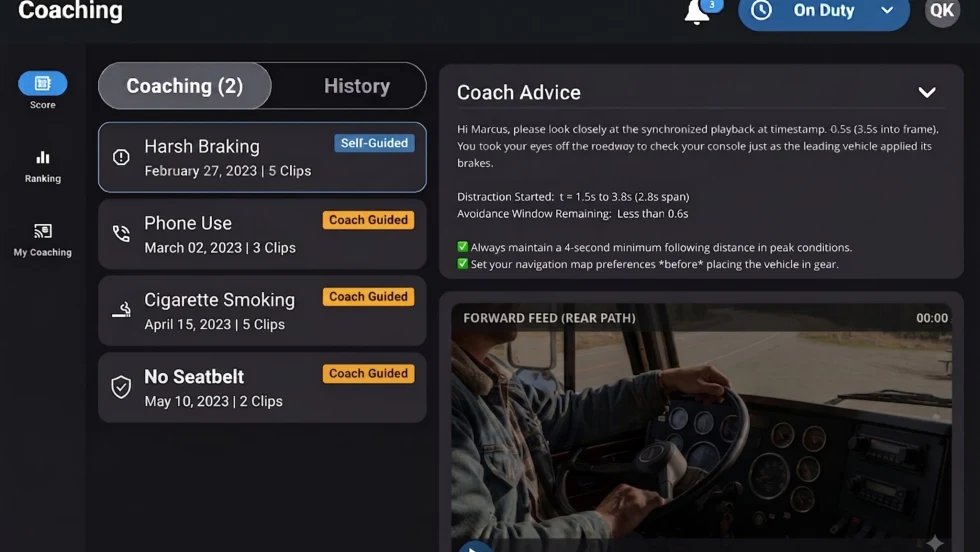
Platform Science Adds Dispatch and Safety Tools
Four additions to PS Fleet help fleets monitor loads, manage driver coaching, share truck locations and adjust video system settings.
Read More →
When Language Stops the Truck: The Return of ELP Out-of-Service Orders
English language proficiency rules for commercial drivers aren’t new, but renewed out-of-service enforcement has raised the stakes. Here’s what carriers need to know before a driver reaches a roadside inspection.
Read More →
Samsara Launches Custom AI Agent Builder
Agent Studio lets fleets create AI tools for hours-of-service monitoring, reporting and driver support, including agents that communicate by phone.
Read More →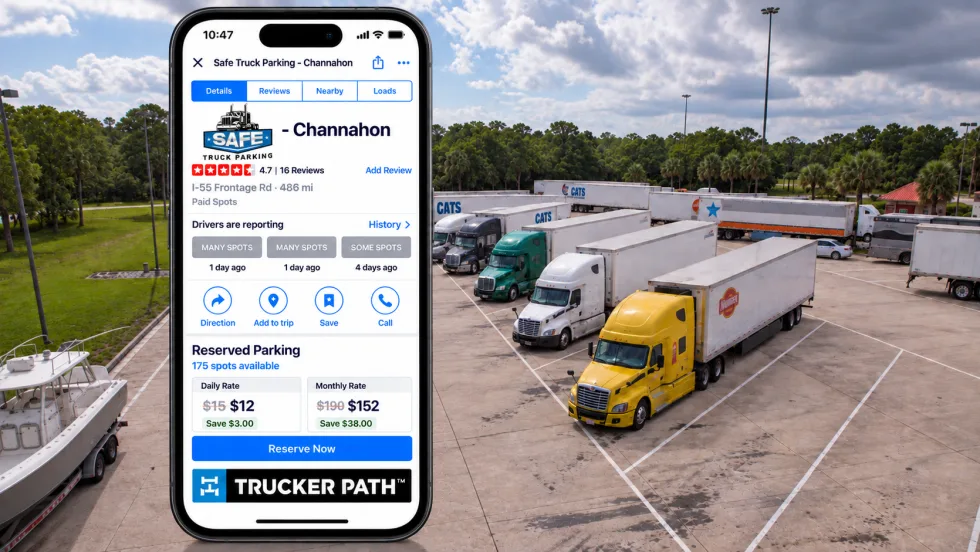
Trucker Path Expands Reserved Parking Network
Trucker Path has added close to 6,000 more truck parking spaces to its Trucker Path Reserved Parking Network with the addition of Safe Truck Parking.
Read More →
EEOC Sues Texas Trucking Company Over Driver Age Limits
The agency says Trancasa USA rejected applicants over 65 and applied tougher driving-record standards to those over 60.
Read More →
Nussbaum, Roehl Announce Second Driver Pay Increase This Year
This year has seen a swath of major truck driver pay increases as freight capacity has tightened.
Read More →
From One Generation to the Next: How Mentorship Builds Safer Truck Drivers
After three decades in trucking, Harold Perry shares what he's learned about driver safety, mentorship, and helping the next generation build confidence behind the wheel.
Read More →
Truck Drivers Need More Than Another Alert
Fleets have more visibility into truck health, safety events, and driver activity than ever. The next challenge is turning all that information into useful guidance for the person who has to decide what to do next.
Read More →
FMCSA Removes 110 Truck Driver Training Schools from Certified ELDT List
Federal regulators also are targeting more than 160 additional training providers and launching a nationwide audit of third-party CDL skills testers as part of a broader crackdown on trucking fraud.
Read More →
Hours of Service Pilot Programs: FMCSA Readies for 2027 Rollout
Two pilot programs could eventually reshape hours-of-service rules, giving truck drivers options to pause their 14-hour clock or use longer split sleeper rest periods.
Read More →