




Penn State Researchers Investigate Alternative Diesel Fuel
In the search for clean diesel fuels, dimethyl ether seems like a good choice. But mixing DME with diesel fuel to run these engines is more complicated than simply combining the two fuels, according to Penn State researchers
In the search for clean diesel fuels, dimethyl ether seems like a good choice. But mixing DME with diesel fuel to run these engines is more complicated than simply combining the two fuels, according to Penn State researchers.
"Diesel engines expect fuels that have a certain lubricating quality and a certain viscosity," says Andre Boehman, associate professor of fuel science. "DME has no lubricity and very low viscosity."
DME is normally produced by dehydration of methanol, but can also be produced from natural gas and from coal derived syngas. A gas, DME in liquid form is stored under pressure similarly to the way liquefied natural gas is stored.
"There is pressure to produce fuel combinations that do not pollute the environment," says Boehman. "We are looking for ways to make fuels burn so they produce fewer particulates. The key approach is to reformulate fuel by adding compounds that contain oxygen."
DME fits the bill and pure DME burns smokeless, making no particles.
Boehman, Shirish Bhide, graduate student in fuel science, and Joseph Perez, adjunct professor of chemical engineering, investigated and characterized DME and DME diesel blends to determine both the properties of pure DME and DME mixed with diesel. They
found that DME will mix completely with diesel fuel. However, a 25 percent DME by weight mixture of fuel had a viscosity rating well below the acceptable range for diesel fuel. When DME is mixed with diesel, viscosity drops off rapidly.
"While DME does not have good lubricating properties, it appears that viscosity may be the more important property in developing these fuels," Boehman told attendees Aug. 27 at the American Chemical Society Meeting in Chicago.
Both viscosity improvers and lubricity additives are available. However, lubricity additives have been used in lubricants, not in fuels, and may cause problems in the fuel injection system of diesel engines.
Although the normal range of viscosity for diesel engines is above that of the 25 percent DME, Boehman plans to test the fuel in both a test bed engine and on a University Shuttle Bus. The bus, purchased partly with research funds, has been run on straight diesel so that the engine properties could be well characterized. The bus is now being converted to run blended DME diesel fuel.
The bus engine is a Navistar International 7.3 liter, T444E, V8 engine. Normally fuel is delivered at 70 to 80 pounds per square inch, but to accommodate the DME, the pressure will be between 120 and 150 pounds per square inch.
Funding for the DME studies have come from the U.S. Department of Energy, Air Products and the Pennsylvania Department of Environmental Protection.
More Aftermarket
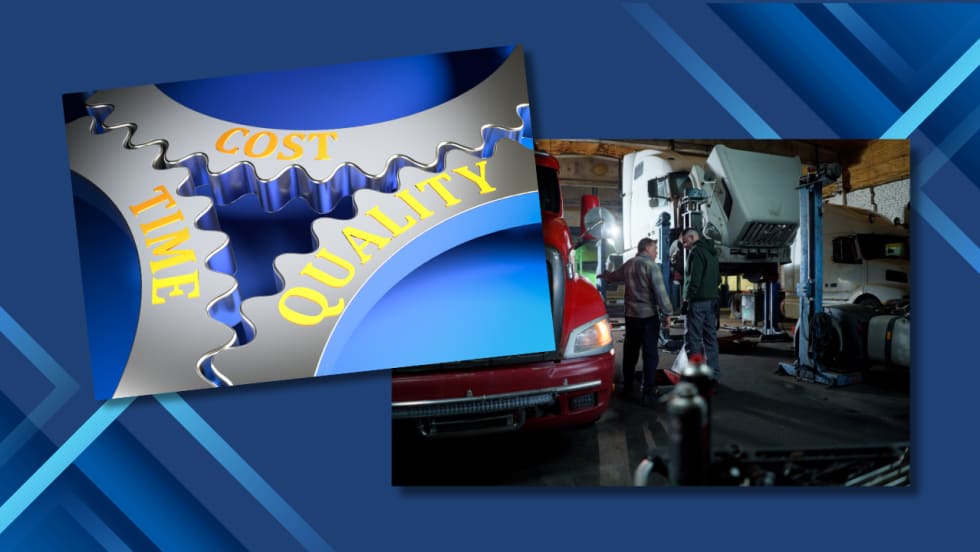
What Three Fleets Are Doing Differently When Buying Truck Parts in 2026
With freight improving but costs still climbing, fleet maintenance executives explain how they're balancing price, quality, and supplier relationships.
Read More →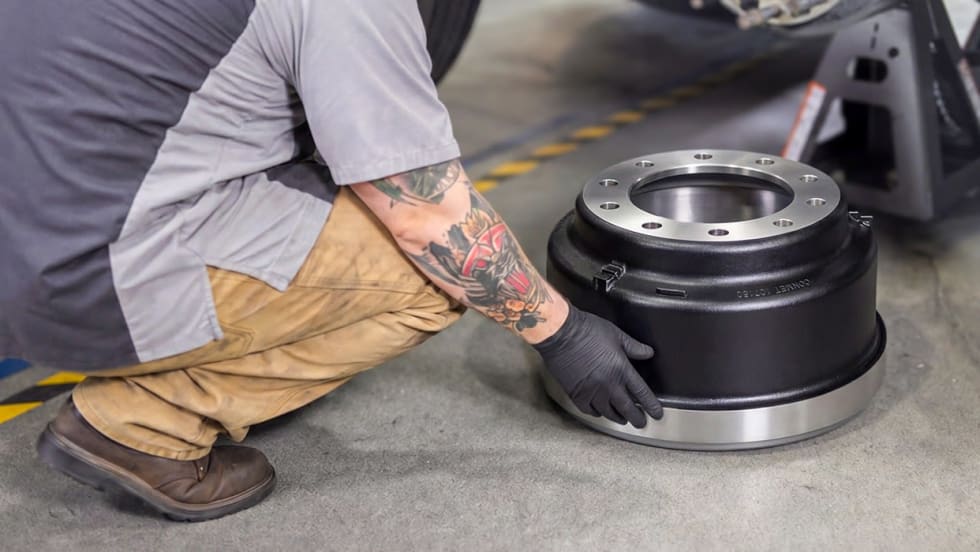
ConMet Expands Aftermarket Brake Drum Lineup With TruCast
A new heavy-duty truck brake drum option in the aftermarket gives customers more flexibility within the ConMet product family.
Read More →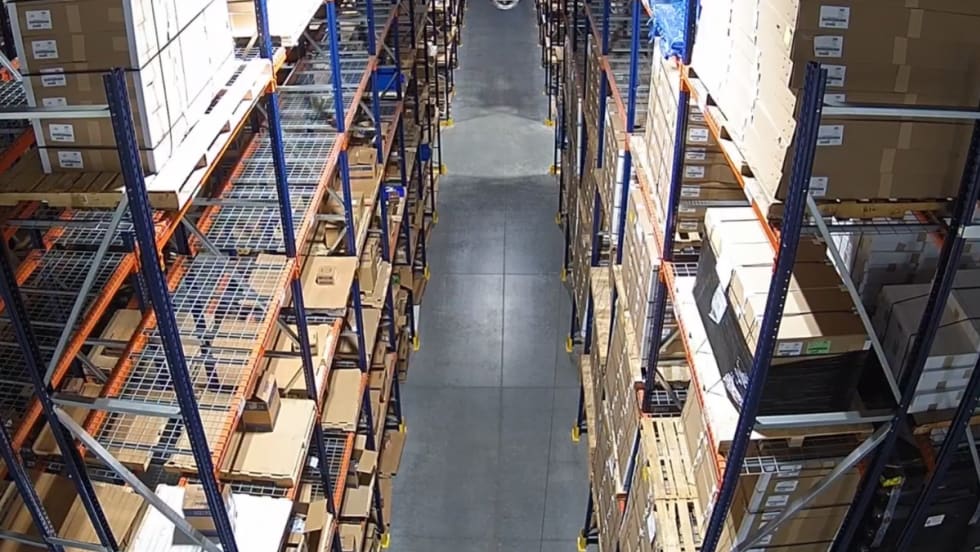
Phillips Opens High-Tech Distribution Center for Faster Parts Delivery
Phillips Industries’ new Cincinnati-area distribution center is now shipping aftermarket trucking parts nationwide, aiming to speed up delivery times for customers.
Read More →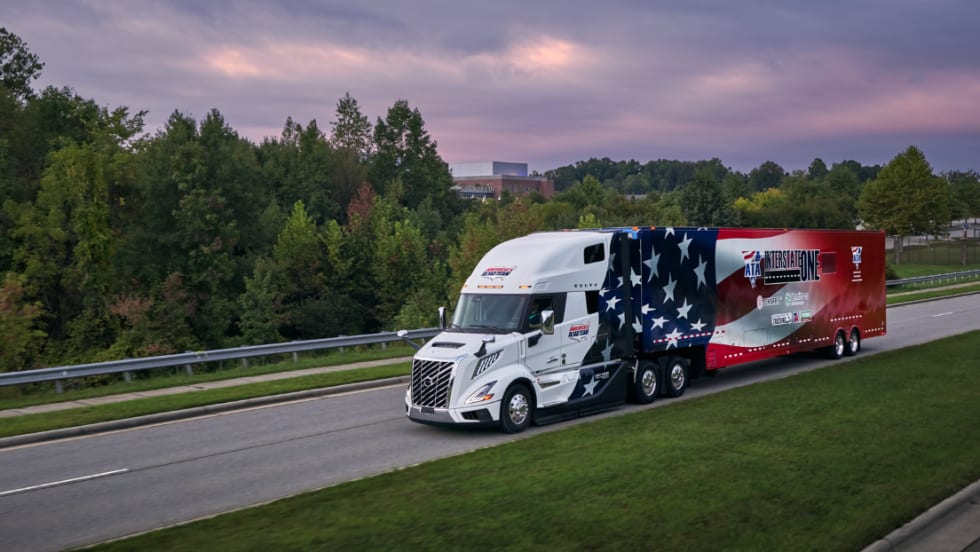
Volvo to Sponsor America’s Road Team for 2025
Volvo Trucks announced that it is extending its exclusive sponsorship of America’s Road Team for 2025.
Read More →
Webb to Start Taking Orders for UltraSet Pre-Adjusted Wheel Hubs
Webb, which recently acquired the Stemco Trifecta pre-adjusted hub program, will soon start taking orders for its replacement pre-assembled hub, the UltraSet.
Read More →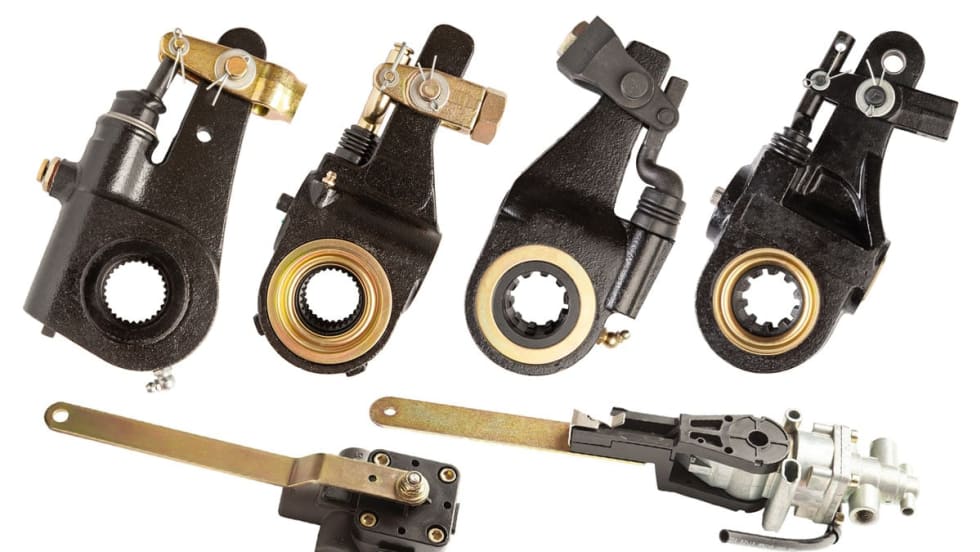
All-Makes Automatic Brake Adjusters, Ride Height Control Valves from Midland
SAF-Holland has added automatic brake adjusters and ride height control valves to its Midland All-Makes Program.
Read More →
ZF Aftermarket Expands [pro]Academy Training
ZF Aftermarket said it is expanding its ZF [pro]Academy training and will be adding 40 new modules this year.
Read More →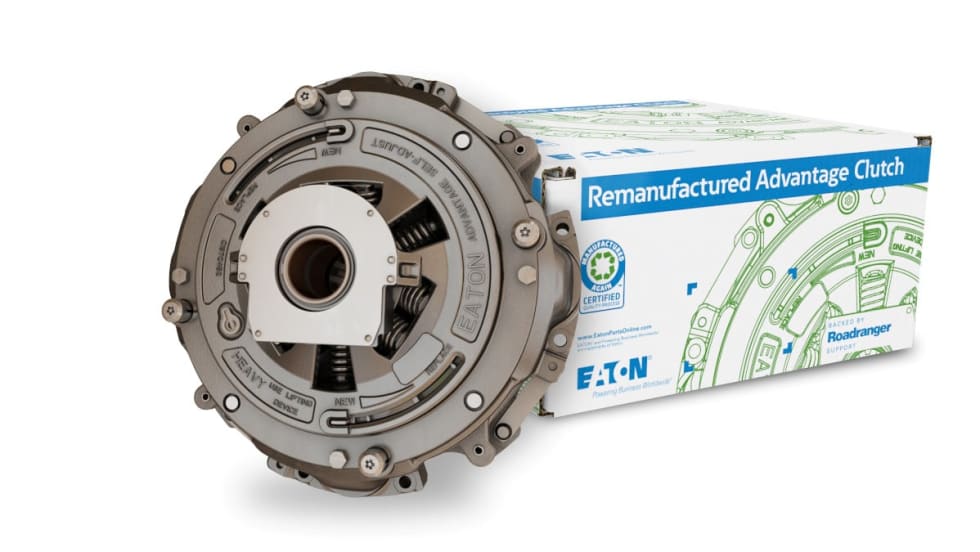
Eaton Adds Remanufactured Advantage Line of Clutches
Eaton has added its Advantage clutches to its remanufactured product line. The clutches feature a unique strap drive intermediate plate designed to allow customers to choose the latest OE specification
Read More →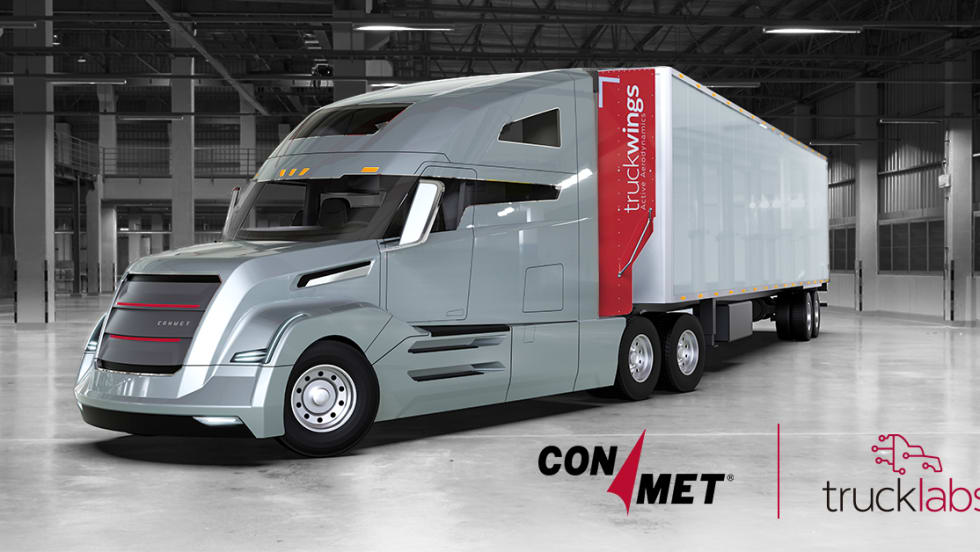
ConMet Acquires TruckLabs, the Creator of TruckWings
Commercial truck and trailer parts provider ConMet acquired TruckLabs, the company that created TruckWings, an aerodynamic device that attaches to truck cabs and deploys to close the gap between truck and trailer. TruckLabs now operates as a subsidiary of ConMet.
Read More →
Diesel Laptops Releases Fault-Code-to-Part-Number Tool
Diesel Laptops said its Truck Fault Codes allows users to input a fault code and immediately identify and order the parts needed to complete repair work.
Read More →