




Pacer International, Gilbert West Announce Joint Venture
Gilbert West and Pacer International announced that Pacer's LTL transportation division is transferring its Los Angeles-origin business to Gilbert as part of a strategic alliance between the two companies
Gilbert West and Pacer International announced that Pacer's LTL transportation division is transferring its Los Angeles-origin business to Gilbert as part of a strategic alliance between the two companies.
At the same time, Gilbert West will use the services of Pacer's cartage division to pick up a portion of the Los Angeles-origin shipments and deliver them to a Gilbert facility in the City of Commerce for consolidation and eastward movement. Additionally, Pacer will jointly participate with Gilbert in local Los Angeles Basin harbor drayage operations through Pacer's Harbor Rail Transfer division.
Don Orris, Pacer's president and CEO, noted that Pacer's LTL operations, inherited by Pacer as part of an earlier acquisition, have historically been limited to Los Angeles-origin cargo, and that Gilbert's LTL operation is inbound as well as outbound and will better serve shippers of LTL cargo. "At the same time, this enables Pacer to focus on the logistics capabilities it has been building for its customers, such as intermodal marketing services, consolidation, truck brokerage (full truckload), and supply-chain management."
Gilbert CEO Richard Gilbert said the move will result in a significant reduction in transit times.
Most of the Pacer employees currently dedicated to LTL operations are being offered jobs at Gilbert. The two organizations are situated in close proximity: Gilbert in City of Commerce, Pacer's LTL unit in Compton.
More Drivers

Short Takes: Inside K&B’s Truck Safety Tech
Listen to learn how K&B Transportation uses cellphone-blocking technology, speed management systems, weather geofencing, bridge avoidance tools, and more to improve driver safety.
Read More →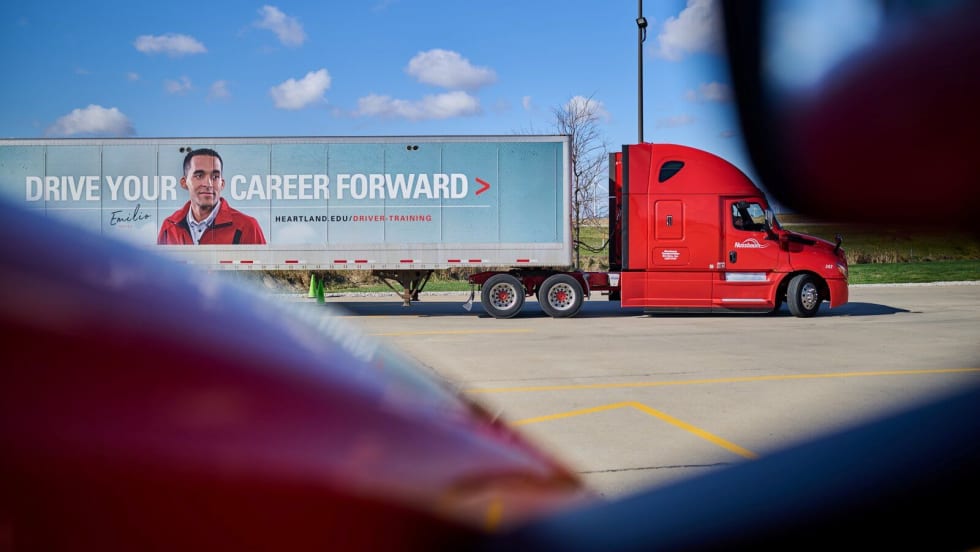
Nussbaum Expands Driver Compensation with Pay Raises, Profit Sharing
Nussbaum Transportation said its latest compensation package could push first-year driver earnings above $90,000 in key hiring markets.
Read More →
Listen: Inside Modern Fleet Safety: AI, Cameras & Speed Control at K&B Transportation
Fleet safety is evolving fast—and technology is at the center of it. Learn how a former commercial vehicle enforcement officer turned director of safety at K&B Transportation is embracing real-world safety technology.
Read More →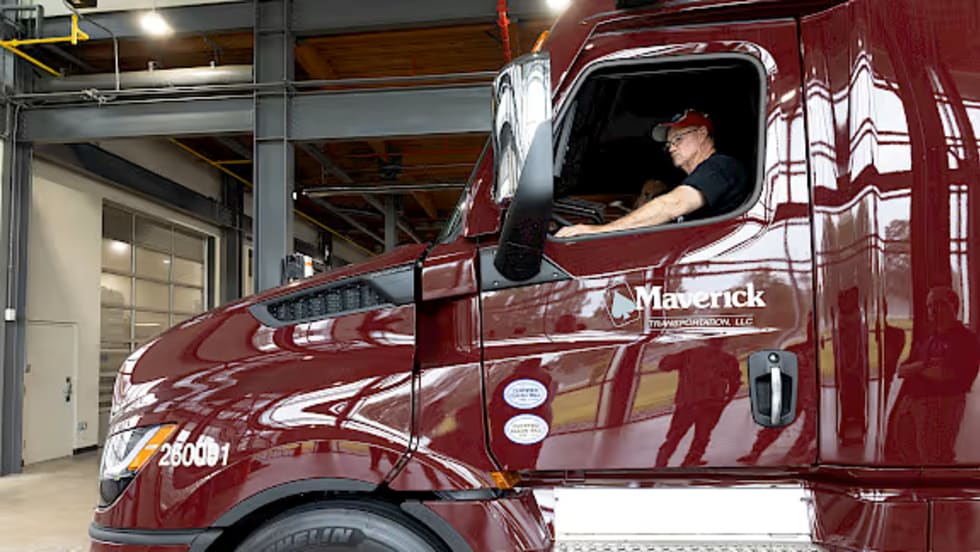
Maverick Announces 2026 Driver Pay Raises
New raises for Maverick Transportation drivers will take effect on May 31, 2026.
Read More →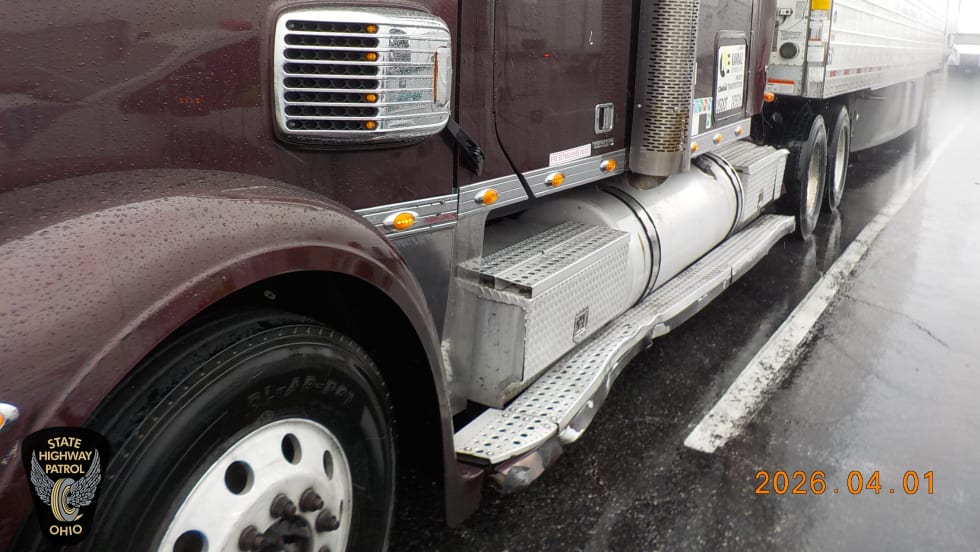
Illinois Trucker Indicted for Nearly $22,000 in Ohio Turnpike Toll Evasion
Authorities say an Illinois trucker avoided paying tolls for two years, and now faces felony charges, possible prison time, and forfeiture of his Freightliner tractor.
Read More →
New Trojan Driver Cargo Theft Scam Bypasses Carrier Vetting Systems
Cargo theft rings plant operatives as drivers inside legitimate, fully vetted carriers, then execute coordinated thefts that look like a traditional straight theft from the outside.
Read More →
WIM, Trucker Path Name Top 3 Women-Friendly Truck Stops
ATA’s Women In Motion Council and Trucker Path highlight three truck stops that meet all seven safety-focused criteria and rank highest among female drivers.
Read More →
FMCSA Extends Paper Medical Card Exemption … Again
Five states still aren't ready to accept commercial driver medical exam information directly from the medical examiner's registry.
Read More →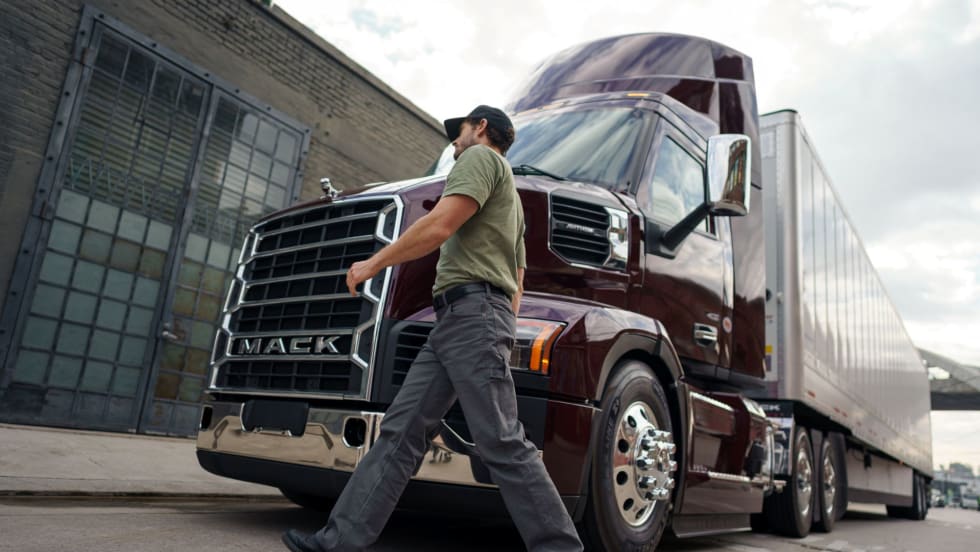
Mack Launches Digital Driver Guide for Chassis-Specific Truck Info
Mack’s new, virtual owner’s manual delivers VIN-based, on-demand guidance for vehicle systems via web, app, and soon in-cab displays.
Read More →
Western Star Showcases Truckers' Pride and Skill
Western Star is expanding its Star Nation Experience in 2026, adding new competitions and dealer participation to highlight operator skills and promote careers in trucking.
Read More →