




Paccar's Sobic Talks Trends at MATS Breakfast Briefing
Trucking is looking up, despite challenges such as federal regulation and rising fuel prices, said Dan Sobic, executive vice president at Paccar, during the Heavy Duty Manufacturers Association annual Breakfast Briefing at the Mid-America Trucking Show last Friday
Trucking is looking up, despite challenges such as federal regulation and rising fuel prices, said Dan Sobic, executive vice president at Paccar, during the Heavy Duty Manufacturers Association annual Breakfast Briefing at the Mid-America Trucking Show last Friday.
"The trucking industry has gained some good fundamentals," he said, noting that freight tonnage is growing and carrier profitability is increasing. On the opposite side, he said, trucking companies are facing more cost pressures with the stringent regulatory environment, the question of whether to begin investing in natural gas, rising fuel prices, etc. "But given all that, trucking is still a great industry. We all share a passion."
ACT Research estimates the average age of the active truck population grew to 6.7 years in 2010 and 2011 as fleets delayed their truck purchases, compared to a median of 5.8 years over the last 25 years, Sobic said, and predict that the average age of trucks will slightly decline in 2012 but remain at high historical levels. This means pent-up demand for new trucks.
Last year in North America, as the economy started to recover, truck makers saw unprecedented ramp-up rates, Sobic said. "We expect the Class 8 truck market to improve this year to 201,000 to 240,000 units for the U.S. and Canada," he said, and based on the past three months of order levels, "the North American market may be closer to the upper end of that estimate."
Trucks are becoming more complicated, especially as truck and engine makers work to meet upcoming greenhouse gas emissions regulations. The new regulations, he said, evaluate reduced weight, improved aerodynamics, idle shutdown, tires, and speed limiters to determine a company's GHG rating.
In addition, he said, hybrid vehicles, alternative fuels, no-idle technologies, fuel-efficient trucks and components will be even more important in the coming years.
Natural gas is an alternative fuel that's gotten a lot of attention lately. Sobic said when you look at the fuel infrastructure in North America, today there are about 5,000 locations that serve diesel fuel. There are about a thousand that have CNG or LNG, with LNG being about 150 of that total.
"The market probably today, best estimate is 8,000 trucks," he said. "Out of 220,000 to 240,000, that is still a small piece. I think the infrastructure has to continue to be developed, and secondly [we need to address] the upfront costs, whether it's through incentives or other means. Once you have the vehicle the efficiency's very good, but upfront can add $40,000 to $80,000 to the cost of a truck.
"Diesel fuel will still power trucks because it is the most efficient way to move trucks around."
To help meet these demands, truck makers are increasingly turning to global "platforms" of trucks and engines.
The truck market is becoming increasingly global, Sobic pointed out. He noted that Paccar has more than doubled its revenue in past 10 years to $16.4 billion and expanded its global footprint, with marking its 73rd consecutive year of net profit.
The global truck market for trucks over 6 tons is projected to grow by 500,000 units from 2.9 million to 3.4 million in 2015, a 17% global increase, he said.
Showing a slide of the top global truck makers, Sobic noted, "Six years ago there were no Chinese or Indian OEMs on this list. Now five of the top 10 are Chinese, and India's Tata is a market leader."
Another key factor is vertical integration, and the ability of outside suppliers to integrate well with the truck.
"Supplier collaboration with integration will determine the winners in the global market."
More Aftermarket
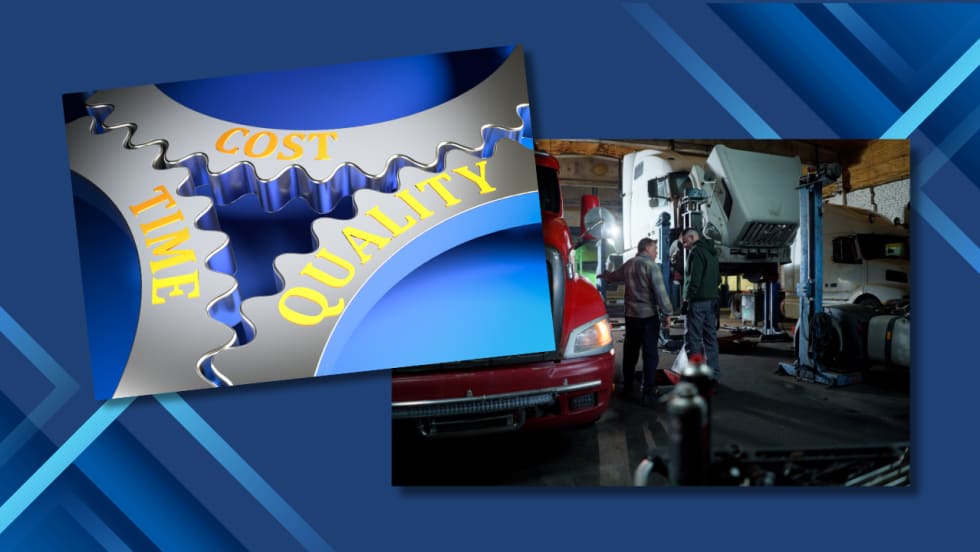
What Three Fleets Are Doing Differently When Buying Truck Parts in 2026
With freight improving but costs still climbing, fleet maintenance executives explain how they're balancing price, quality, and supplier relationships.
Read More →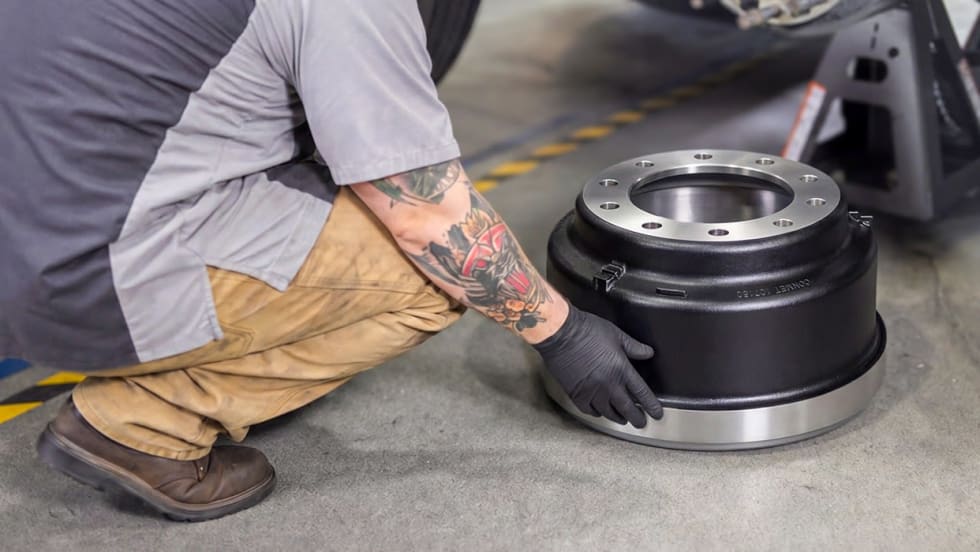
ConMet Expands Aftermarket Brake Drum Lineup With TruCast
A new heavy-duty truck brake drum option in the aftermarket gives customers more flexibility within the ConMet product family.
Read More →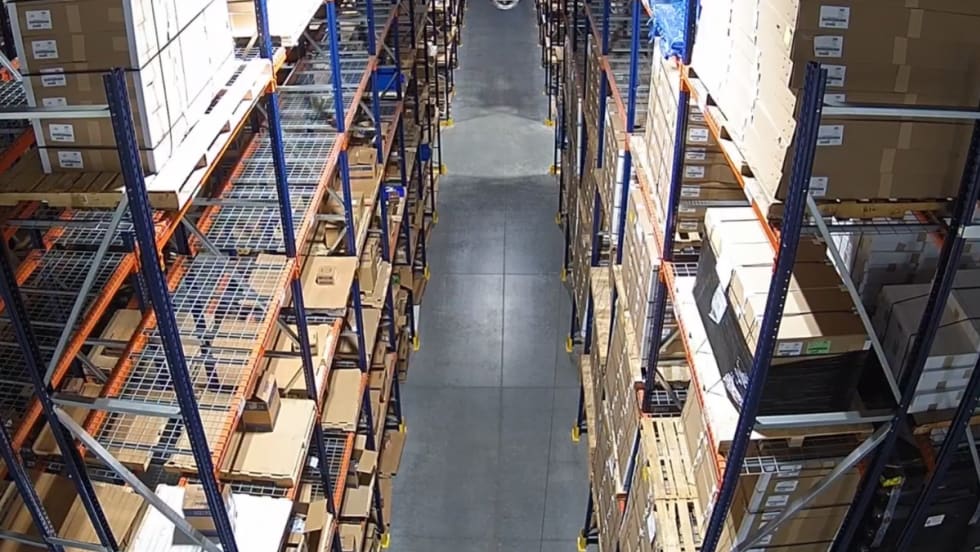
Phillips Opens High-Tech Distribution Center for Faster Parts Delivery
Phillips Industries’ new Cincinnati-area distribution center is now shipping aftermarket trucking parts nationwide, aiming to speed up delivery times for customers.
Read More →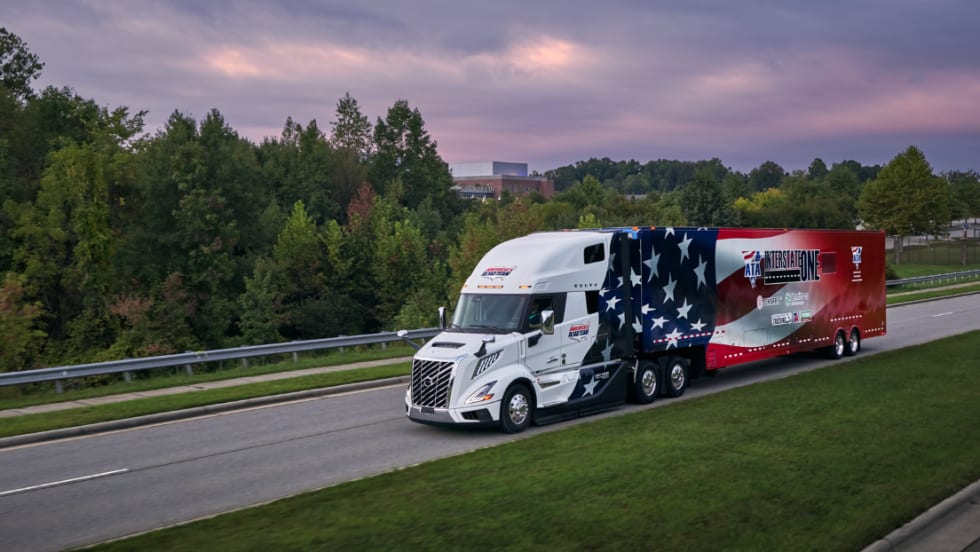
Volvo to Sponsor America’s Road Team for 2025
Volvo Trucks announced that it is extending its exclusive sponsorship of America’s Road Team for 2025.
Read More →
Webb to Start Taking Orders for UltraSet Pre-Adjusted Wheel Hubs
Webb, which recently acquired the Stemco Trifecta pre-adjusted hub program, will soon start taking orders for its replacement pre-assembled hub, the UltraSet.
Read More →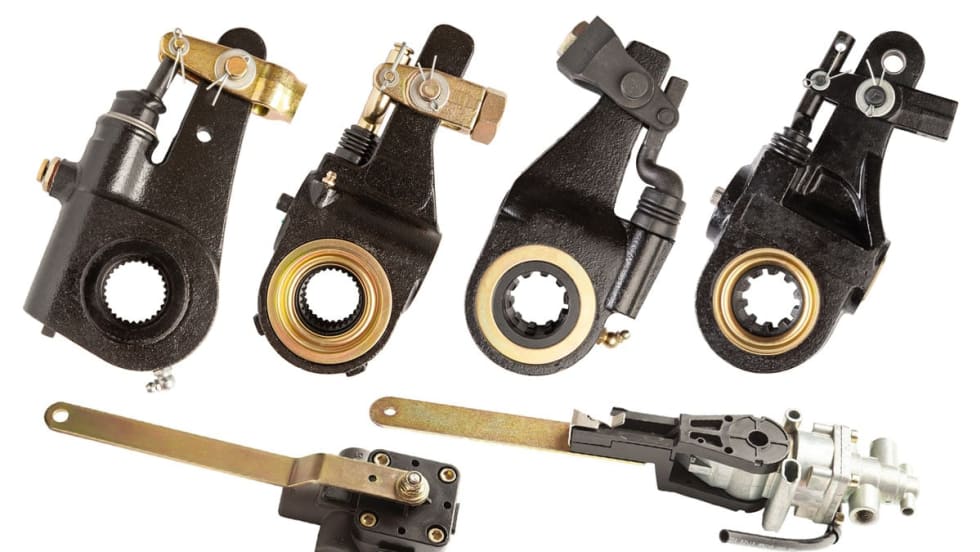
All-Makes Automatic Brake Adjusters, Ride Height Control Valves from Midland
SAF-Holland has added automatic brake adjusters and ride height control valves to its Midland All-Makes Program.
Read More →
ZF Aftermarket Expands [pro]Academy Training
ZF Aftermarket said it is expanding its ZF [pro]Academy training and will be adding 40 new modules this year.
Read More →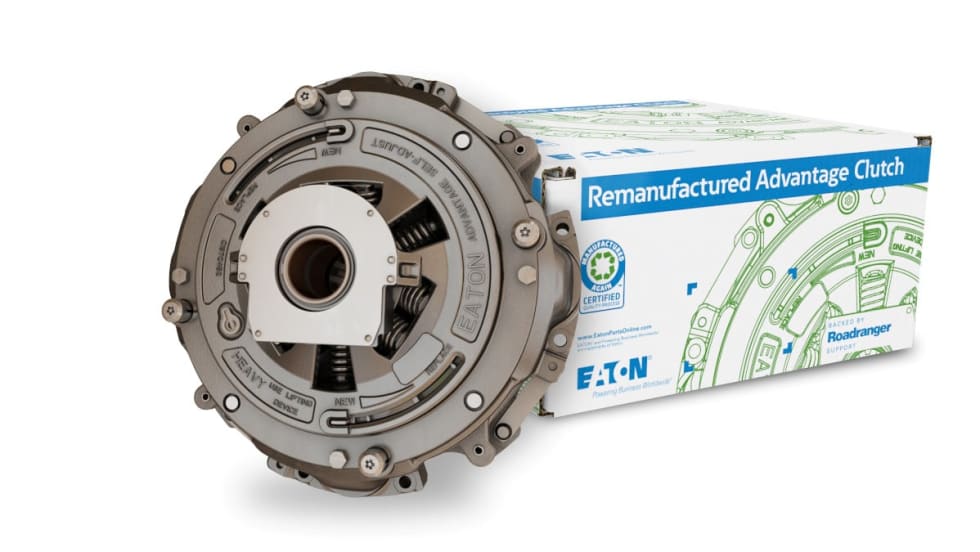
Eaton Adds Remanufactured Advantage Line of Clutches
Eaton has added its Advantage clutches to its remanufactured product line. The clutches feature a unique strap drive intermediate plate designed to allow customers to choose the latest OE specification
Read More →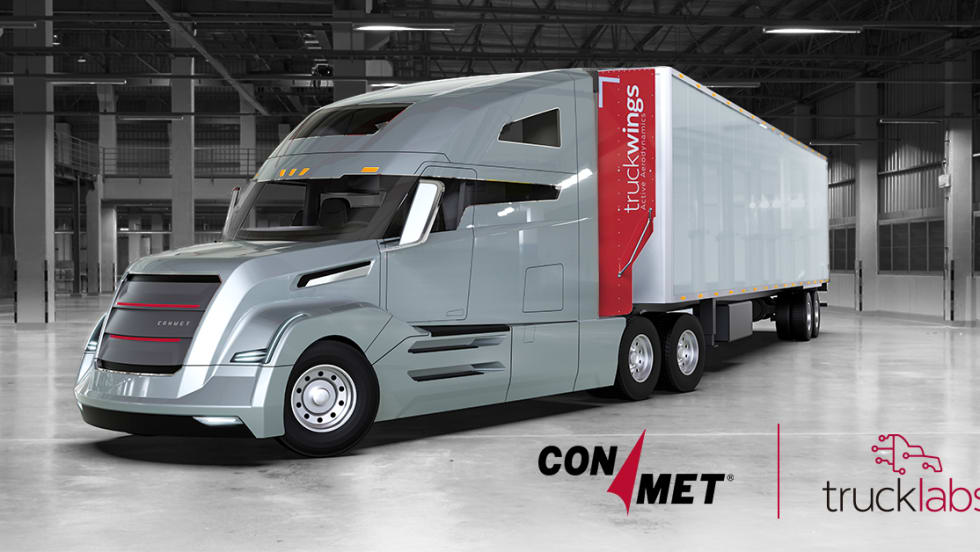
ConMet Acquires TruckLabs, the Creator of TruckWings
Commercial truck and trailer parts provider ConMet acquired TruckLabs, the company that created TruckWings, an aerodynamic device that attaches to truck cabs and deploys to close the gap between truck and trailer. TruckLabs now operates as a subsidiary of ConMet.
Read More →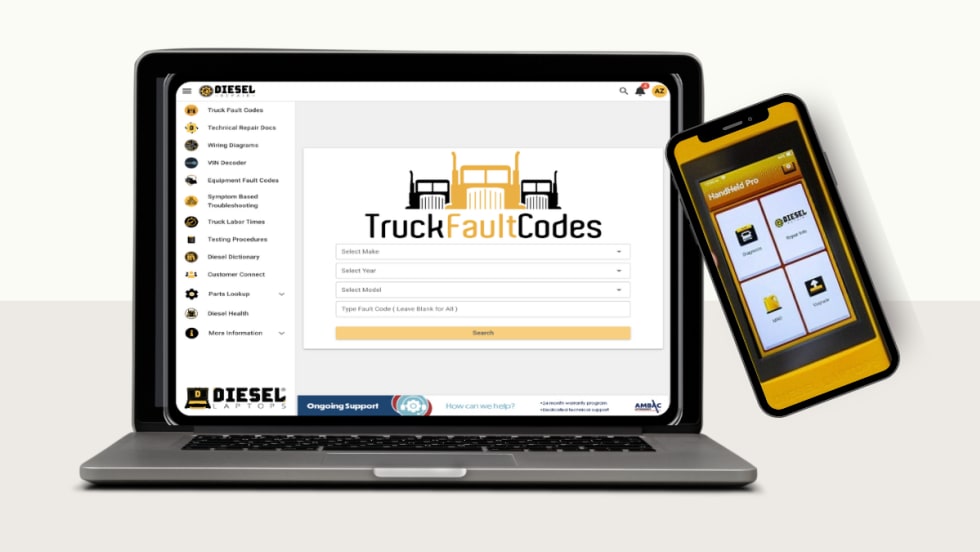
Diesel Laptops Releases Fault-Code-to-Part-Number Tool
Diesel Laptops said its Truck Fault Codes allows users to input a fault code and immediately identify and order the parts needed to complete repair work.
Read More →