




Owner-Operators of Today and Yesteryear
A lot can change in 10 years, and for the average owner-operator, a lot has changed. Todd Amen, CEO of ATBS, recently presented at TCA's Refrigerated Division Annual Meeting on how the owner-operator and his world has transformed in a decade's time.

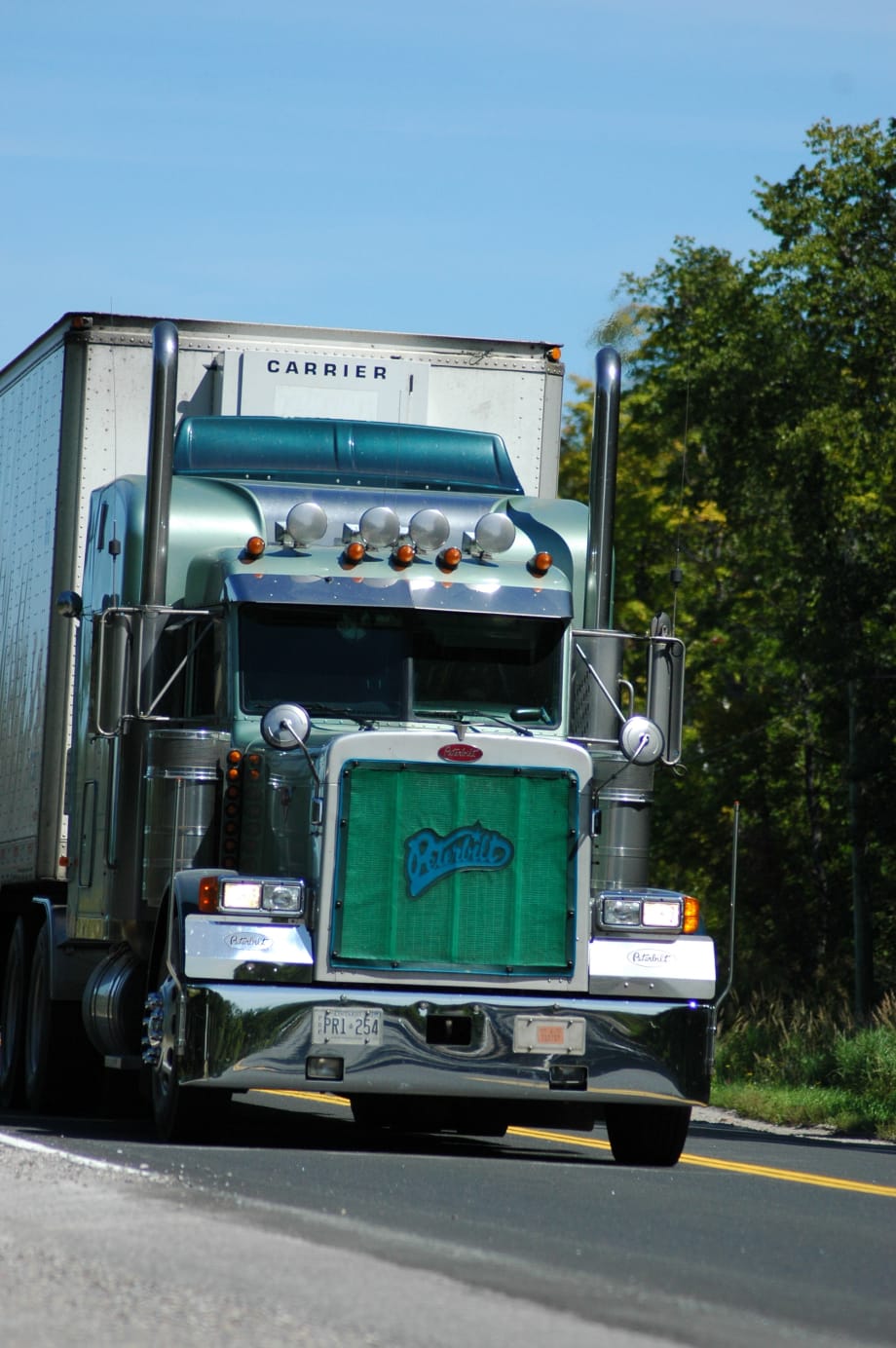

A lot can change in 10 years, and for the average owner-operator, a lot has changed.
Todd Amen, CEO of ATBS, recently presented at TCA's Refrigerated Division Annual Meeting on how the owner-operator and his world has transformed in a decade's time.
Amen began by summing up the life of an average owner-operator:
Average driver age 46, while the average age of a U.S. Citizen is 37;
Average life expectancy of a driver is 61 years old, while the average life expectancy of a U.S. citizen is 79;
The average TL company driver makes $46,000, and the average TL Reefer Company driver makes $43,000 annually;
The average owner-operator makes $52,000, and the average Reefer owner-operator makes $46,500 annually.
Amen compared the average pay for drivers to the annual pay of a U.S. male, high school graduate in 2011, which averaged $39,352.
"What is so unappealing about our industry that we aren't able to attract these young people into a higher-paying profession?" Amen posed to the audience. With no clear-cut answer, Amen moved on to his side-by-side comparison of today's owner-operator with the owner-operator of 10 years ago.
The successful owner-operator 10 years ago:
Average Miles driven each year = 139,000
Gross revenue = $127,000
Average pay per mile- 85 cents
Net income = $50,000
Number of log books = 3
Fuel = 5 mpg – Average cost $1.42 per gallon
Bought his fuel at his favorite truck stop
Saw his family once every three to five weeks
Didn't know his cost per mile, but ran miles when he didn't have enough money
Smoked two packs of cigarettes a day
The successful owner-operator today:
Average miles driver each year = 110,000
Gross revenue = $162,000
Average net pay per mile = 94 cents
Net incomce = $60,000
Number of log books = EOBR
Fuel = 8 mpg – Average cost $3.92 per gallon
Plans his trip and fuel purchases based on cheapest available fuel
Sees his family twice a week
Knows and manages his costs per mile
Learns via multiple sources
Smokes electronic cigs
Among many of the changes that the owner-operator has experienced is an increased focus on fuel economy.
"They didn't worry about fuel economy because it was $1.42 a gallon. Now they are focused on getting the most out of their fuel," Amen said. "He would buy fuel at his favorite truckstop—the one with the strongest coffee, or the cutest waitress," Amen said with a laugh, "Today it's different."
Other changes that are being seen in owner-operators is an increased emphasis on health, as well as evolving technology.
Amen said that they are seeing the trend of drivers being increasingly more conscious of trying to live a more healthy lifestyle.
There are fitness systems in the trucks, and drivers are eating healthier and cooking in their trucks. Drivers are also paying attention to their health numbers such as cholesterol, blood sugar, and blood pressure, Amen said.
Technology has taken an important role in helping owner-operators do their jobs as well, according to Amen.
In a recent market research study of 1,023 owner-operators, Amen said that on average 66% of drivers spend a minimum of one hour per day on the internet, 90% regularly check email, and 90% believe apps help them be more successful owner-operators.
More Drivers

Driver Trust Can Make or Break the Success of Fleet Safety Technology
New Teletrac Navman research suggests that onboarding, transparency about driver data, and positive feedback can play a significant role in how commercial drivers respond to safety and coaching technology.
Read More →
EEOC Sues KLLM Over Alleged Sex Discrimination in Driver Training
KLLM is facing a federal sex-discrimination lawsuit over policies the EEOC alleges put female truck driver trainees at a disadvantage.
Read More →
FMCSA Moves to Codify English Language Requirements for Commercial Drivers
By changing regulations on English-language proficiency requirements for commercial drivers, rather than relying on a guidance memo, the FMCSA said future administrations won't be able to walk back the Trump administration's stricter enforcement with just a memo.
Read More →
Drivers Put Western Star Trucks to the Test at Star Nation Experience
Watch to get an inside look at the Western Star trucks, technology, and community behind the Star Nation Experience 2026!
Read More →
Trump Administration Looks to Put More Veterans Behind the Wheel
The Freedom Haulers program pulls together existing and expanded programs at several federal agencies to recruit veterans to drive commercial heavy-duty trucks and cut the red tape for them to get a CDL, training, and employment.
Read More →
Putting Mack’s Command Steer to the Test
A test drive of Mack’s Command Steer active steering system evaluates how it can make truck driving easier and less tiring.
Read More →
Competition Heating Up for Truck Drivers
New report reveals rising driver hiring costs, the return of sign-on bonuses, growing AI advantages, and the operational factors shaping driver retention.
Read More →
How Fraley & Schilling Improved Logbook Compliance by Over 50%
Fraley & Schilling needed a way to close a compliance workflow gap in its ELD system without adding more work from driver training, reminders, and back-office follow-ups. It found the answer in a custom driver app.
Read More →
Volvo Goes Gaming
Volvo has roared into American Truck Simulator with two new flagship trucks.
Read More →
What the Best Fleets to Drive For Teach About Driver Retention
Survey fatigue, AI-powered routing, owner-operator expectations, and the decline of social media all emerged as themes from this year's Best Fleets to Drive For program.
Read More →