




Over-the-Road Study Looking At Biodiesel And CO2
The National Biodiesel Board has teamed up with Chicago-based Indigenous Energy, developers of emissions tracking systems, and Los Angeles-based States Logistics, a fleet and logistics company using clean technology, on an over-the-road pilot
The National Biodiesel Board has teamed up with Chicago-based Indigenous Energy, developers of emissions tracking systems, and Los Angeles-based States Logistics, a fleet and logistics company using clean technology, on an over-the-road pilot.
The six-month pilot will culminate in a report quantifying States Logistics' emissions and carbon dioxide reduction from using biodiesel. So far, results for May and June showed a 16.5-ton reduction in CO2 emissions.
"The pilot program uses our patent-pending technology and reporting system with inputs from States Logistics over-the-road activity to show carbon and emissions reduction," said Peter Probst, president and director of research & development, Indigenous Energy. "States Logistics is a perfect company to develop the pilot because of their commitment to using biodiesel and the concern of their customers for environmental stewardship."
States Logistics uses B5 (a 5 percent biodiesel blend) and B99 (99 percent biodiesel) in seven 2007 trucks, running approximately 27,000 miles a month. The pilot program takes into account several areas to measure carbon footprint including vehicle type, distance traveled, number of gallons used, percentage of biodiesel used and biodiesel feedstock type, such as soybean oil. The end result is a report on total CO2 emitted from both the petroleum diesel and biodiesel, CO2 reduction from using biodiesel and the quantifiable cost to offset petroleum CO2. The results will be presented at the Mid-America Trucking Show in March 2009.
"Many of our customers on the West Coast and other areas of the country are looking to reduce carbon footprint and emissions," said Ryan Donovan, vice president of operations and business development of States Logistics. "Since we use biodiesel in all of our trucks, our customers already have an advantage. The type of measurement and easy-to-understand reporting from Indigenous Energy will help us provide detailed information that our customers can show to their customers."
Eventually, these figures may be used to sell carbon offsets, but today, they can be used to show States Logistics' customers and their customers' customers how they are all contributing to reduction of CO2. By providing this information to customers, they can see the transparency and understand why States Logistics uses biodiesel.
"When we announced the BioTrucker Fuel Card last year at GATS, we thought about next steps for providing value to card holders," said Tom Verry, director of outreach and development for NBB. "This CO2 reduction reporting could become a value-add report for fleets to use as a publicity tool for their customers."
Biodiesel has been shown to have a 1:3.5 ratio of energy gained to energy used to produce it, meaning for every unit of fossil energy needed to produce biodiesel, return is 3.5 units of energy, according to a 2008 study conducted at the University of Idaho in cooperation with the U.S. Department of Agriculture (USDA). A 1998 biodiesel lifecycle study, jointly sponsored by the U.S. Department of Energy and the U.S. Department of Agriculture, showed that biodiesel reduces net CO2 emissions by 78 percent compared to petroleum diesel.
More info: www.biodiesel.org
More Aftermarket
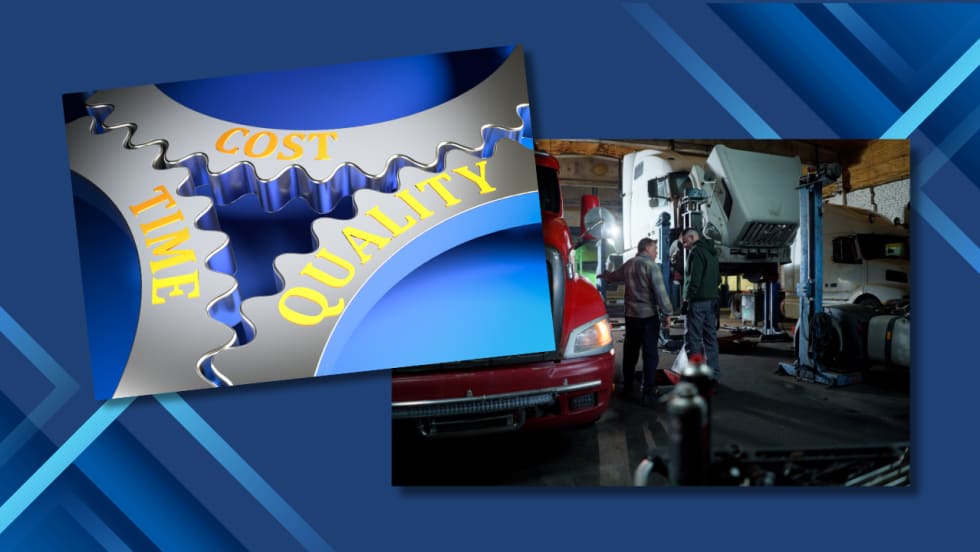
What Three Fleets Are Doing Differently When Buying Truck Parts in 2026
With freight improving but costs still climbing, fleet maintenance executives explain how they're balancing price, quality, and supplier relationships.
Read More →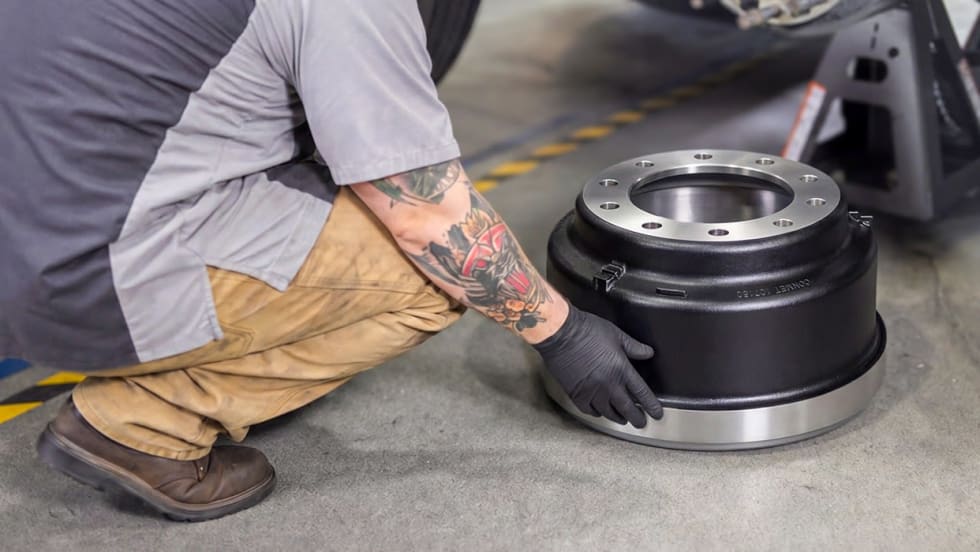
ConMet Expands Aftermarket Brake Drum Lineup With TruCast
A new heavy-duty truck brake drum option in the aftermarket gives customers more flexibility within the ConMet product family.
Read More →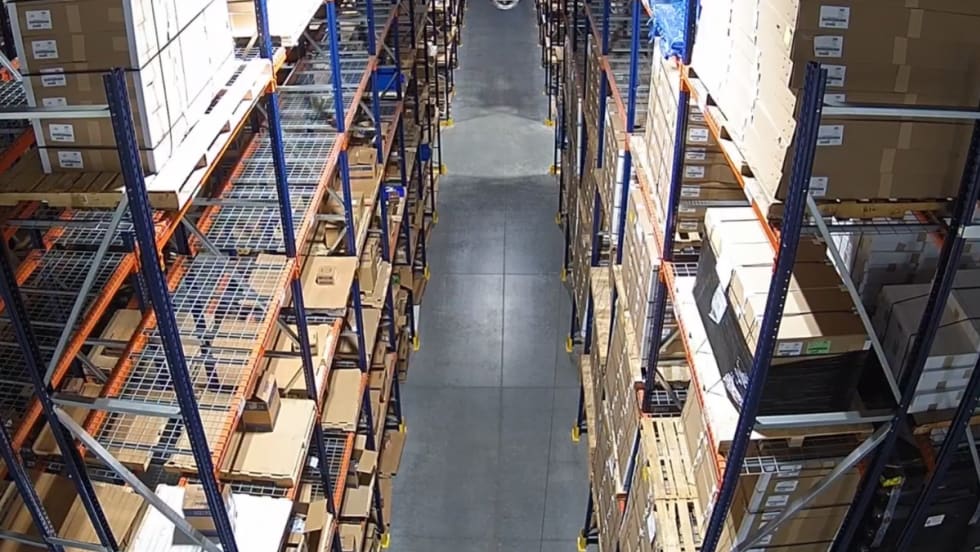
Phillips Opens High-Tech Distribution Center for Faster Parts Delivery
Phillips Industries’ new Cincinnati-area distribution center is now shipping aftermarket trucking parts nationwide, aiming to speed up delivery times for customers.
Read More →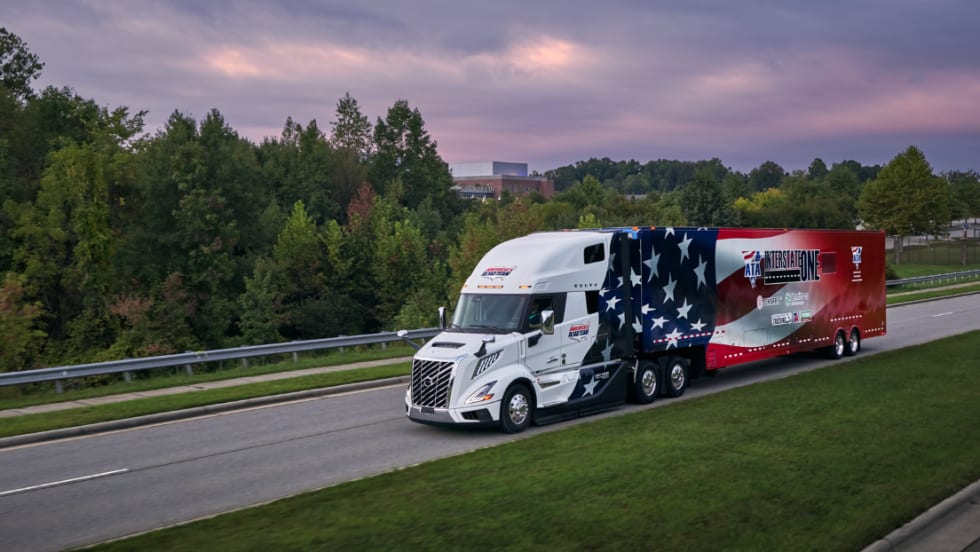
Volvo to Sponsor America’s Road Team for 2025
Volvo Trucks announced that it is extending its exclusive sponsorship of America’s Road Team for 2025.
Read More →
Webb to Start Taking Orders for UltraSet Pre-Adjusted Wheel Hubs
Webb, which recently acquired the Stemco Trifecta pre-adjusted hub program, will soon start taking orders for its replacement pre-assembled hub, the UltraSet.
Read More →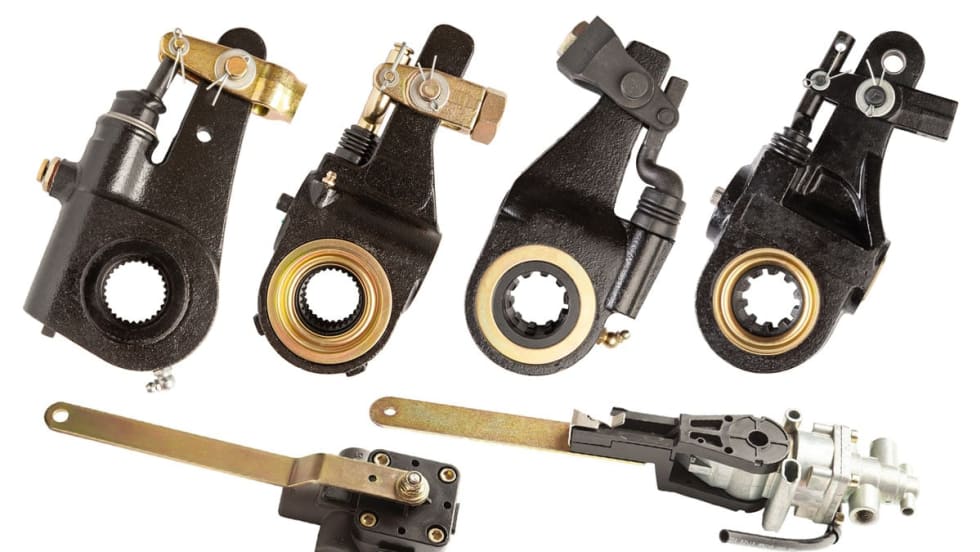
All-Makes Automatic Brake Adjusters, Ride Height Control Valves from Midland
SAF-Holland has added automatic brake adjusters and ride height control valves to its Midland All-Makes Program.
Read More →
ZF Aftermarket Expands [pro]Academy Training
ZF Aftermarket said it is expanding its ZF [pro]Academy training and will be adding 40 new modules this year.
Read More →
Eaton Adds Remanufactured Advantage Line of Clutches
Eaton has added its Advantage clutches to its remanufactured product line. The clutches feature a unique strap drive intermediate plate designed to allow customers to choose the latest OE specification
Read More →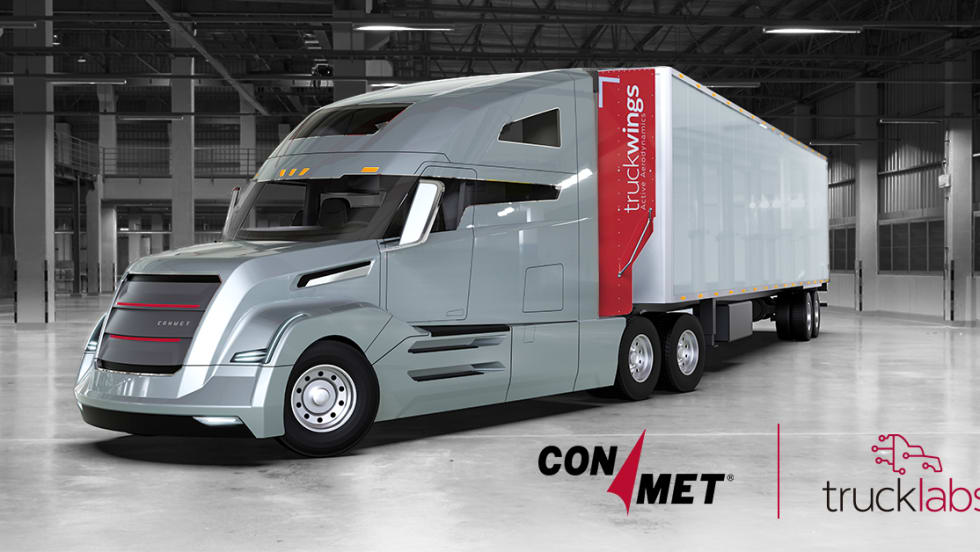
ConMet Acquires TruckLabs, the Creator of TruckWings
Commercial truck and trailer parts provider ConMet acquired TruckLabs, the company that created TruckWings, an aerodynamic device that attaches to truck cabs and deploys to close the gap between truck and trailer. TruckLabs now operates as a subsidiary of ConMet.
Read More →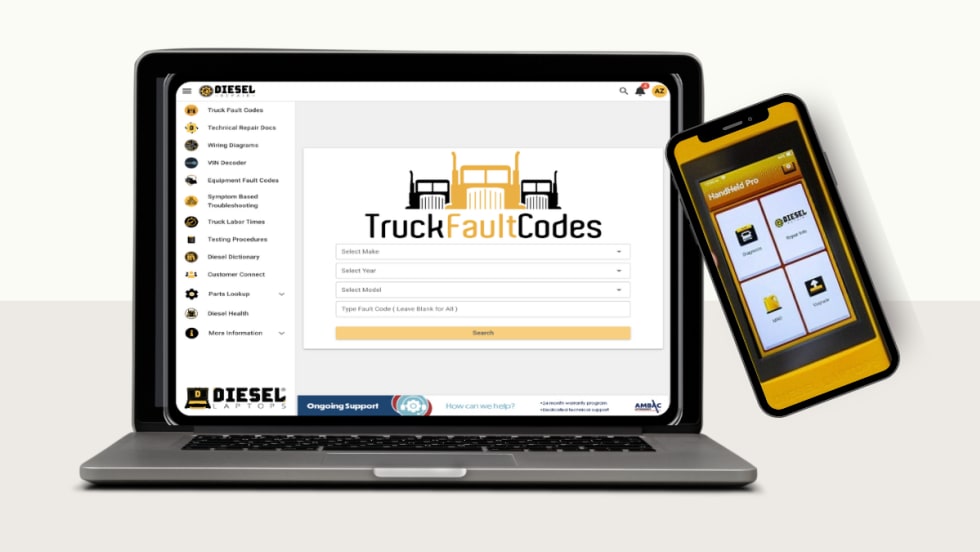
Diesel Laptops Releases Fault-Code-to-Part-Number Tool
Diesel Laptops said its Truck Fault Codes allows users to input a fault code and immediately identify and order the parts needed to complete repair work.
Read More →