




Over One-Third of Drivers Not Pleased With Fleet Benefits
Thirty-five percent of drivers surveyed rate their current fleet benefits, including compensation and incentives, equipment and technology, employee-company communications, and job stability, as "below average.

While drivers did emphasize the importance of job stability, they also want appreciation and communication from their fleet.
Thirty-five percent of drivers surveyed rate their current fleet benefits, including compensation and incentives, equipment and technology, employee-company communications, and job stability, as "below average."
Meanwhile, only 10 percent rate their fleet benefits as "above average," with the remaining 55 percent rating benefits as "average."
The findings come from research published today by Open Road Drivers Plan, a legal program serving over-the-road truckers across North America. The authors of the findings point out that now is a critical time for fleets to focus on retention.
"In the midst of a recession that has devastated the trucking industry, bankrupting thousands of carriers and leaving thousands more unemployed, the trucking industry has experienced turnover rates far below historical industry averages," the report said. "As a result, fleets with a focus on lean business practices throughout the economic slowdown may easily overlook the importance of strong retention programs while freight remains weak. Industry experts continue to predict, however, a new driver shortage to arrive within the next five years."
The survey shows that the industry's low turnover rates are not necessarily the result of increased job satisfaction, with such as low number of drivers rating benefits as "above average."
So, what keeps drivers around?
While drivers did emphasize the importance of job stability, they also want appreciation and communication, the research found. Two out of three drivers place high value on a company's driver recognition and safety incentive programs when deciding whether to leave or stay. In addition, 97 percent said it was important for the carrier to be dedicated to safety.
Communication is also key to drivers, with 100 percent of drivers surveyed saying that their relationship with company dispatchers was important to their longevity with a company. Ninety-seven percent placed the same importance on mass fleet communications and 81 percent on their driver manager and other management.
"Be clear in your communications with drivers and ensure that the underlying message is always one of appreciation and respect," the report said.
More Drivers

When Language Stops the Truck: The Return of ELP Out-of-Service Orders
English language proficiency rules for commercial drivers aren’t new, but renewed out-of-service enforcement has raised the stakes. Here’s what carriers need to know before a driver reaches a roadside inspection.
Read More →
Samsara Launches Custom AI Agent Builder
Agent Studio lets fleets create AI tools for hours-of-service monitoring, reporting and driver support, including agents that communicate by phone.
Read More →
Trucker Path Expands Reserved Parking Network
Trucker Path has added close to 6,000 more truck parking spaces to its Trucker Path Reserved Parking Network with the addition of Safe Truck Parking.
Read More →
EEOC Sues Texas Trucking Company Over Driver Age Limits
The agency says Trancasa USA rejected applicants over 65 and applied tougher driving-record standards to those over 60.
Read More →
Nussbaum, Roehl Announce Second Driver Pay Increase This Year
This year has seen a swath of major truck driver pay increases as freight capacity has tightened.
Read More →
From One Generation to the Next: How Mentorship Builds Safer Truck Drivers
After three decades in trucking, Harold Perry shares what he's learned about driver safety, mentorship, and helping the next generation build confidence behind the wheel.
Read More →
Truck Drivers Need More Than Another Alert
Fleets have more visibility into truck health, safety events, and driver activity than ever. The next challenge is turning all that information into useful guidance for the person who has to decide what to do next.
Read More →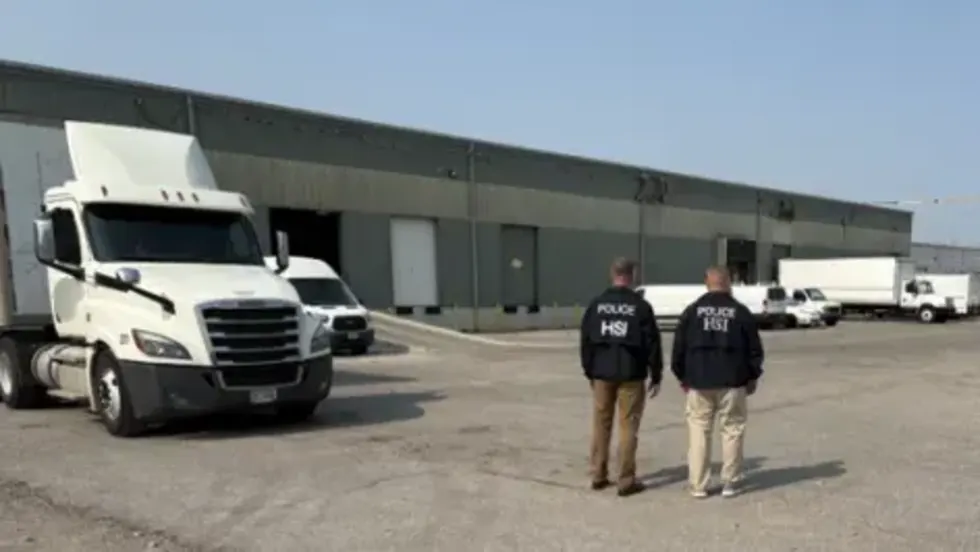
FMCSA Removes 110 Truck Driver Training Schools from Certified ELDT List
Federal regulators also are targeting more than 160 additional training providers and launching a nationwide audit of third-party CDL skills testers as part of a broader crackdown on trucking fraud.
Read More →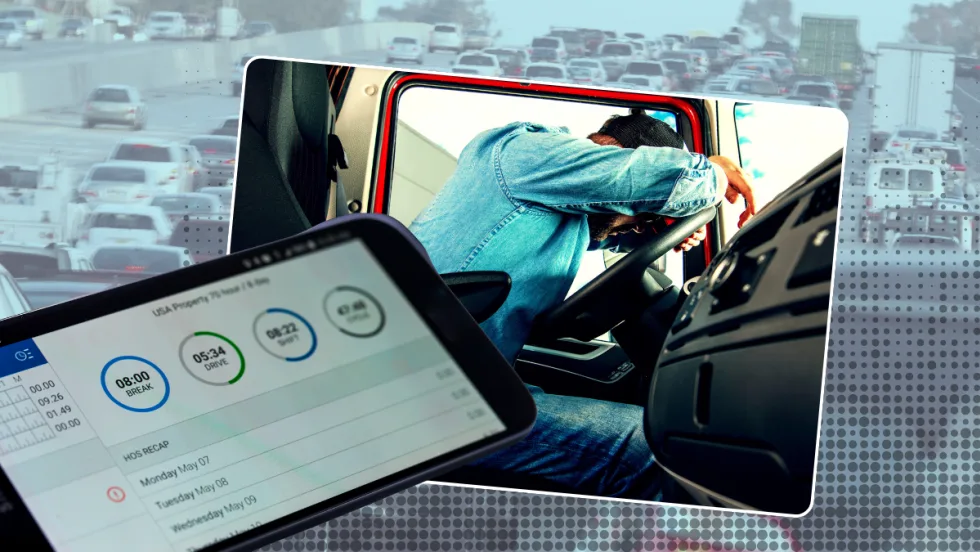
Hours of Service Pilot Programs: FMCSA Readies for 2027 Rollout
Two pilot programs could eventually reshape hours-of-service rules, giving truck drivers options to pause their 14-hour clock or use longer split sleeper rest periods.
Read More →
Medical Cards, English Proficiency Reshape Roadcheck Violations
Medical-card violations jumped to the top of the driver out-of-service list during CVSA’s 2026 International Roadcheck, while English-language proficiency violations appeared among the leading violations for the first time.
Read More →