




OSHA Won't Demand To See Self-Audits
The Occupational Safety and Health Administration says its inspectors won't routinely ask to see a company's self-audit reports, but it does throw out some incentives for companies to make those self-audits available
The Occupational Safety and Health Administration says its inspectors won't routinely ask to see a company's self-audit reports, but it does throw out some incentives for companies to make those self-audits available.
Some OSHA standards require self-audits, but many companies voluntarily go through the process in order to assure compliance with federal and state regulations. OSHA has used those voluntary self-audits as a way to focus inspection activity and identify hazards but, under a proposed new policy statement, that practice would stop. However, the agency says it may exercise its authority to obtain portions of self-audit reports if investigators suspect a specific safety or health hazard exists.
Under the proposed new policy, self-audits could work in favor of a company that is making "good faith" efforts to correct problems. If an inspector finds a problem that the employer has already uncovered in a self-audit -- and is taking actions to correct -- the self-audit will be treated as evidence of "good faith," not evidence of a willful violation. Federal rules allow up to a 25% penalty reduction for employers who have implemented a safety and health program, including self-audits, and are making a "good faith" effort to correct cited violations.
OHSA has asked for comments on the proposed policy statement, published Oct. 6 in the Federal Register available at http://www.access.gpo.gov/su_docs/aces/aces140.html.
More Drivers

Putting Mack’s Command Steer to the Test
A test drive of Mack’s Command Steer active steering system evaluates how it can make truck driving easier and less tiring.
Read More →
Competition Heating Up for Truck Drivers
New report reveals rising driver hiring costs, the return of sign-on bonuses, growing AI advantages, and the operational factors shaping driver retention.
Read More →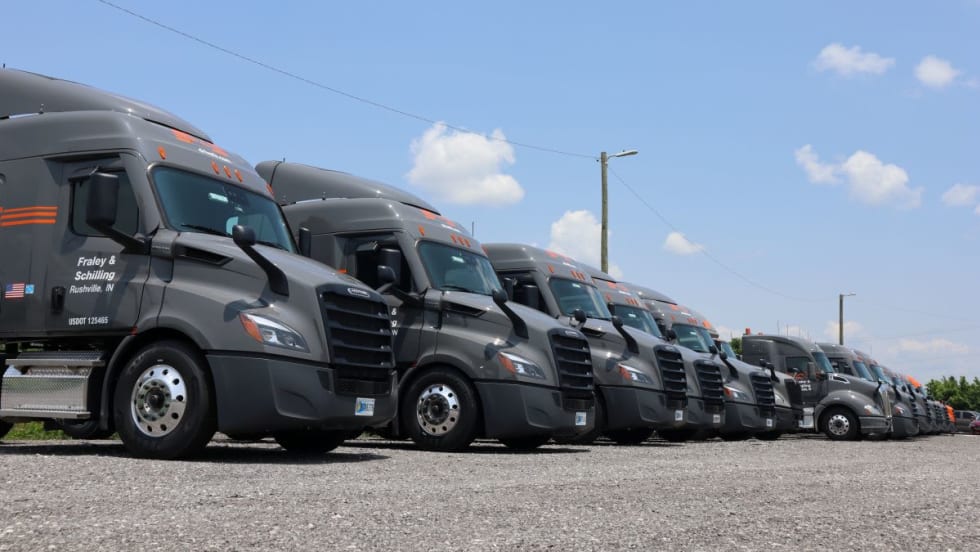
How Fraley & Schilling Improved Logbook Compliance by Over 50%
Fraley & Schilling needed a way to close a compliance workflow gap in its ELD system without adding more work from driver training, reminders, and back-office follow-ups. It found the answer in a custom driver app.
Read More →
Volvo Goes Gaming
Volvo has roared into American Truck Simulator with two new flagship trucks.
Read More →
What the Best Fleets to Drive For Teach About Driver Retention
Survey fatigue, AI-powered routing, owner-operator expectations, and the decline of social media all emerged as themes from this year's Best Fleets to Drive For program.
Read More →
Driver Retention Lessons From the Best Fleets to Drive For
What separates trucking's best workplaces from the rest? Jane Jazrawy shares the biggest lessons from this year's Best Fleets to Drive For program on driver retention, communication, AI, and workforce trends on the HDT Talks Trucking podcast.
Read More →
Farewell, CDL: Why I'm Giving Up My Commercial Driver's License
After more than 20 years as a CDL holder, HDT Executive Editor Jack Roberts is letting his commercial license expire. Not because he wants to — but because trucking's nuclear verdict crisis has made the risks of public-road test drives too great for editors, manufacturers, and everyone involved.
Read More →
How Top Trucking Fleets Improve Driver Retention [Video]
What do healthy snacks, optimized routing, and just picking up the phone have in common? They're all strategies the Best Fleets to Drive For are using to retain truck drivers.
Read More →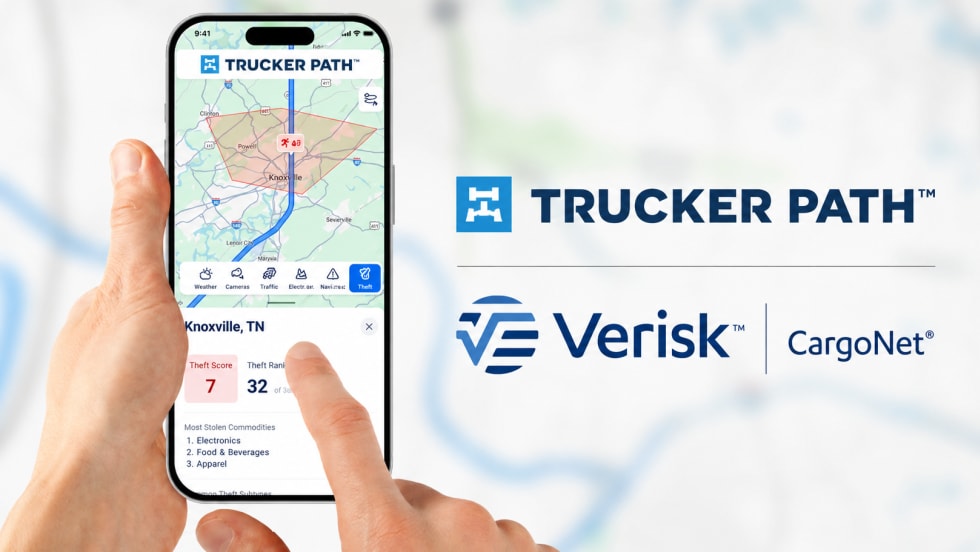
Trucker Path Adds Verisk CargoNet Theft Data to Navigation Platform
Trucker Path’s new cargo theft risk overlays give drivers and fleets visibility into high-risk areas, stolen commodity trends, and theft hotspots.
Read More →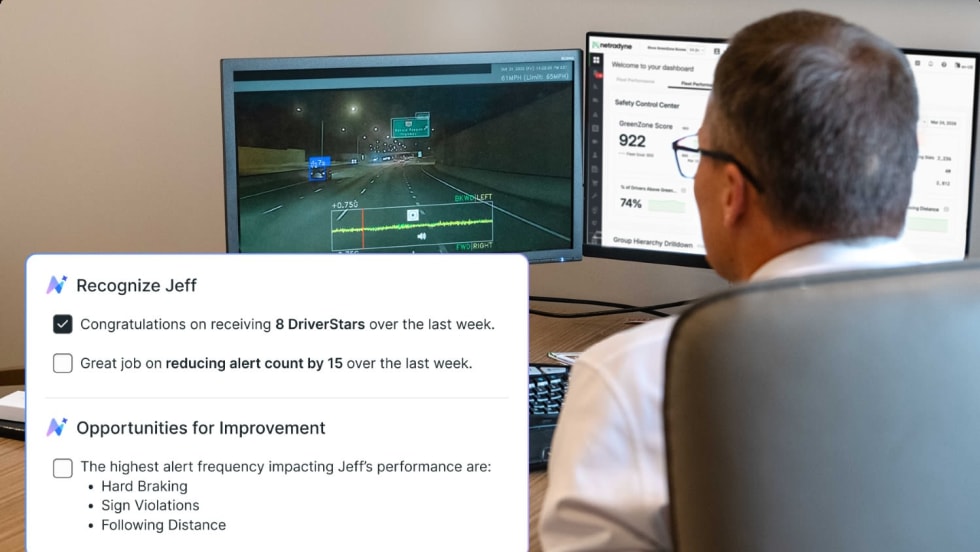
Netradyne Intelligence Uses New AI Agents to Automate Response to In-Cab Camera Data
The company called the next-generation in-cab camera safety platform "a fundamental shift from systems that report on what happened to systems that actively drive what should happen next."
Read More →