




OOIDA Says Hours of Service Won't Help Driver Fatigue
The Owner-Operator Independent Drivers Assn. (OOIDA) went on record Thursday as saying the Federal Motor Carrier Safety Administration's new hours of service rules will have minimal impact on truck driver fatigue.
The Owner-Operator Independent Drivers Assn. (OOIDA) went on record Thursday as saying the Federal Motor Carrier Safety Administration's new hours of service rules will have minimal impact on truck driver fatigue.
"Not until truck drivers are no longer regularly pressured to meet unrealistic delivery deadlines, and they are no longer forced to perform uncompensated work for as many as 33 to 44 hours per week, will we see a significant reduction in fatigue issues," OOIDA said in a press release.
"Whether or not the federal government allows a trucker to drive 10 or 11 hours a day makes no difference to many shippers and carriers, whose only concern is that their loads are delivered on time. Drivers who refuse to make deliveries on unrealistic and illegal time schedules demanded by shippers are routinely denied business or forced from their jobs."
Jim Johnston, president of OOIDA said, "After almost 65 years of working with regulatory controls that should have been declared obsolete decades ago, this is a pretty sorry excuse for a revision to address today's problems."
The association said shippers routinely make truckers wait from between two hours to two days before they are allowed to load or unload their trucks. Some even require drivers to unload their truck and perform warehouse work such as restacking pallets. "Shippers do not pay for this time and work, and have no incentive to treat drivers differently. Not only is this work unpaid, but it steals the time that drivers have under the rules to do the work they are paid for: driving the truck."
The OOIDA statement did offer its gratitude to FMCSA "for abandoning the most disturbing parts of its initial hours of service proposal, especially the proposal for 24-hour-a-day electronic surveillance of drivers."
It then encouraged regulators to "understand the limited safety improvements that can be made through this rule. Not until shippers and carriers stop pressuring drivers to break the rules, and drivers are paid for all the work they do, will the hours-of-service rules have their intended effect."
Founded in 1973, the Owner-Operator Independent Drivers Assn. is made up of more that 94,000 owner-operators, professional drivers and small-business truckers from all 50 states and Canada. OOIDA represents the interests of more than 350,000 small-business trucking professionals in the United States in the legislative and regulatory processes at both federal and state levels.
More Drivers
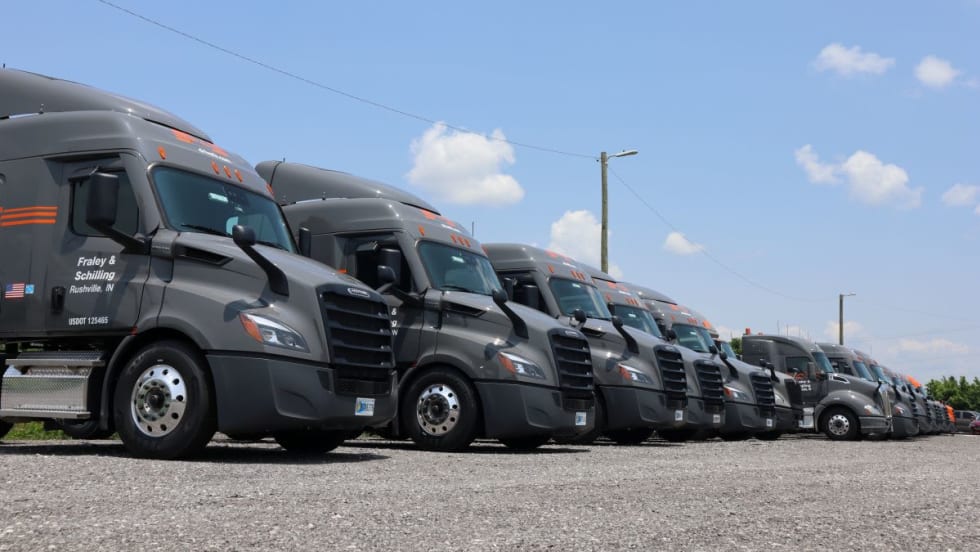
How Fraley & Schilling Improved Logbook Compliance by Over 50%
Fraley & Schilling needed a way to close a compliance workflow gap in its ELD system without adding more work from driver training, reminders, and back-office follow-ups. It found the answer in a custom driver app.
Read More →
Volvo Goes Gaming
Volvo has roared into American Truck Simulator with two new flagship trucks.
Read More →
What the Best Fleets to Drive For Teach About Driver Retention
Survey fatigue, AI-powered routing, owner-operator expectations, and the decline of social media all emerged as themes from this year's Best Fleets to Drive For program.
Read More →
Driver Retention Lessons From the Best Fleets to Drive For
What separates trucking's best workplaces from the rest? Jane Jazrawy shares the biggest lessons from this year's Best Fleets to Drive For program on driver retention, communication, AI, and workforce trends on the HDT Talks Trucking podcast.
Read More →
Farewell, CDL: Why I'm Giving Up My Commercial Driver's License
After more than 20 years as a CDL holder, HDT Executive Editor Jack Roberts is letting his commercial license expire. Not because he wants to — but because trucking's nuclear verdict crisis has made the risks of public-road test drives too great for editors, manufacturers, and everyone involved.
Read More →
How Top Trucking Fleets Improve Driver Retention [Video]
What do healthy snacks, optimized routing, and just picking up the phone have in common? They're all strategies the Best Fleets to Drive For are using to retain truck drivers.
Read More →
Trucker Path Adds Verisk CargoNet Theft Data to Navigation Platform
Trucker Path’s new cargo theft risk overlays give drivers and fleets visibility into high-risk areas, stolen commodity trends, and theft hotspots.
Read More →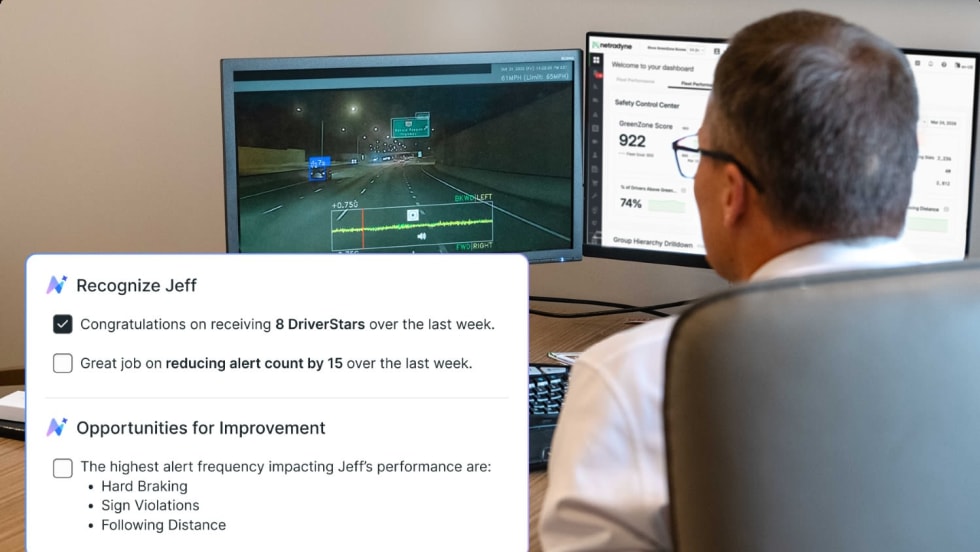
Netradyne Intelligence Uses New AI Agents to Automate Response to In-Cab Camera Data
The company called the next-generation in-cab camera safety platform "a fundamental shift from systems that report on what happened to systems that actively drive what should happen next."
Read More →
Why Truck Detention Keeps Costing Fleets Time and Money
A 2024 ATRI study found detention affects nearly 40% of truckload stops and costs the industry more than $15 billion annually. Despite the toll on drivers, fleets, and supply chains, the problem remains stubbornly persistent.
Read More →
Prime Inc. to Open $7.9M Flagship Used-Truck Dealership
A new driver-focused facility to sell Prime Inc's used trucks and trailers will be the first purpose-built location in the company's history.
Read More →