




OOIDA Asks Government to Delay 2010 Standards
With the backing of new research, the Owner-Operator Independent Drivers Association is asking U.S. policymakers to delay or phase in 2010 emissions standards in light of the current economic situation
With the backing of new research, the Owner-Operator Independent Drivers Association is asking U.S. policymakers to delay or phase in 2010 emissions standards in light of the current economic situation.
A study of the implications of 2010 emissions requirements for diesel engines, done by NERA Economic Consulting, indicates truckers and fleet managers will decide to not buy new engines and trucks because of financial reasons and user uncertainties. This will eventually mean huge job losses and a lack of choices for trucking equipment consumers of all sizes, OOIDA says.
"With record-high diesel fuel prices earlier this year, trucking companies have already faced nearly insurmountable challenges trying to stay in business," said Todd Spencer, OOIDA executive vice president of OOIDA. "It's the worst possible time for the trucking industry to take on a high-stakes gamble with no known level of reliability of the technologies or return on investment."
The association would like the presidential administration and Congress to push for a restructured timeline, phasing in the new emission standards to allow ample breathing room and build confidence within the trucking industry. This would provide time to prove the worthiness of new engines, give the economy an opportunity to recover and explore new fuel alternatives.
"With more time, the solutions will become much clearer and environmentally much cleaner," added Spencer. "Otherwise, there will be a delay in the intended environmental benefit because there is a disincentive to purchasing the new technology. Truckers and fleets are simply going to hold onto their equipment for a longer period of time, if they are able to hold onto it at all."
OOIDA notes that recent news reports show that sales and production of diesel engines and trucks have begun to slow dramatically. Manufacturers are laying off workers and closing production lines in anticipation of lower sales. Fleets, both small and large, are signaling that they will hold on to existing, older equipment, instead of making purchases of newer technology.
Among other things, the NERA study concluded:
* Trucks that meet the new standard will have substantially higher purchase prices.
* Trucks that meet the standard will entail technological uncertainties from the perspective of the customer, including uncertain increases in operating and maintenance costs.
* The net result of these customer reactions (pre-buy and low-buy) to the 2010 standards would be reduced environmental benefits and less cost-effective standards.
Maintenance and operational costs will be substantially higher than current model engines. According to the NERA report, costs of trucks coming off the assembly line, in complying with 2010 emission standards, will run between $7,000 and $10,000 more per vehicle. This is nearly $21,000 more per truck higher than in 2004. Furthermore, there will be an additional weight of between 300 and 500 pounds for some models utilizing new technology.
Click here for the full NERA report in PDF format, or click here for the executive summary.
More Aftermarket

What Three Fleets Are Doing Differently When Buying Truck Parts in 2026
With freight improving but costs still climbing, fleet maintenance executives explain how they're balancing price, quality, and supplier relationships.
Read More →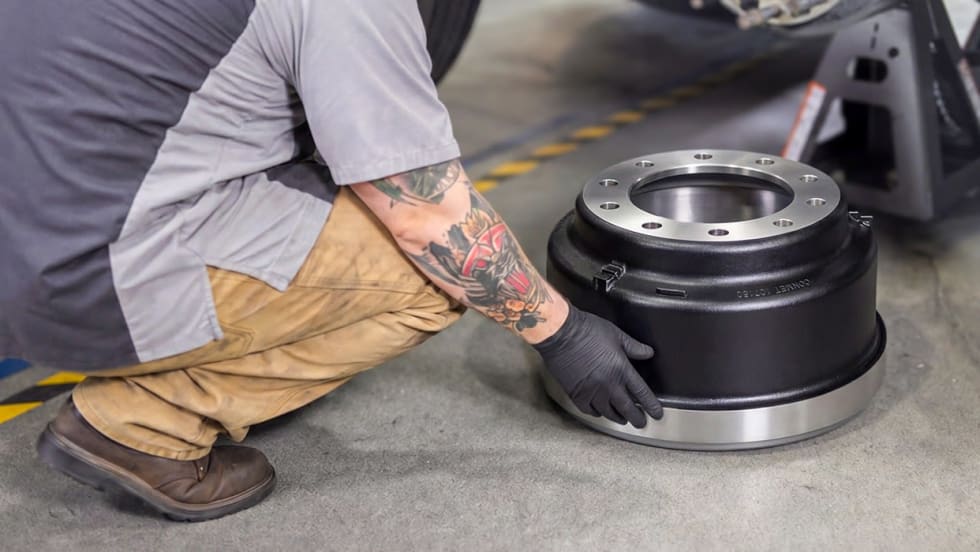
ConMet Expands Aftermarket Brake Drum Lineup With TruCast
A new heavy-duty truck brake drum option in the aftermarket gives customers more flexibility within the ConMet product family.
Read More →
Phillips Opens High-Tech Distribution Center for Faster Parts Delivery
Phillips Industries’ new Cincinnati-area distribution center is now shipping aftermarket trucking parts nationwide, aiming to speed up delivery times for customers.
Read More →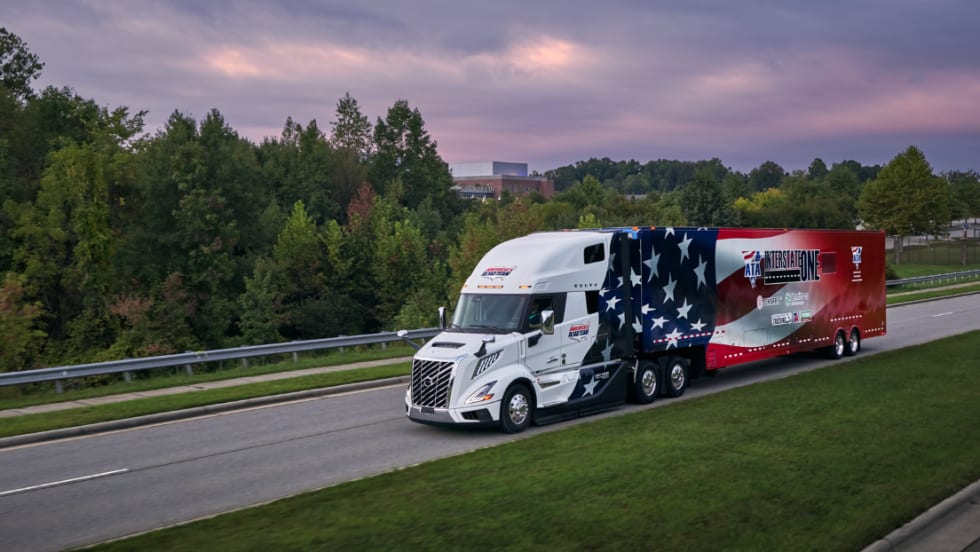
Volvo to Sponsor America’s Road Team for 2025
Volvo Trucks announced that it is extending its exclusive sponsorship of America’s Road Team for 2025.
Read More →
Webb to Start Taking Orders for UltraSet Pre-Adjusted Wheel Hubs
Webb, which recently acquired the Stemco Trifecta pre-adjusted hub program, will soon start taking orders for its replacement pre-assembled hub, the UltraSet.
Read More →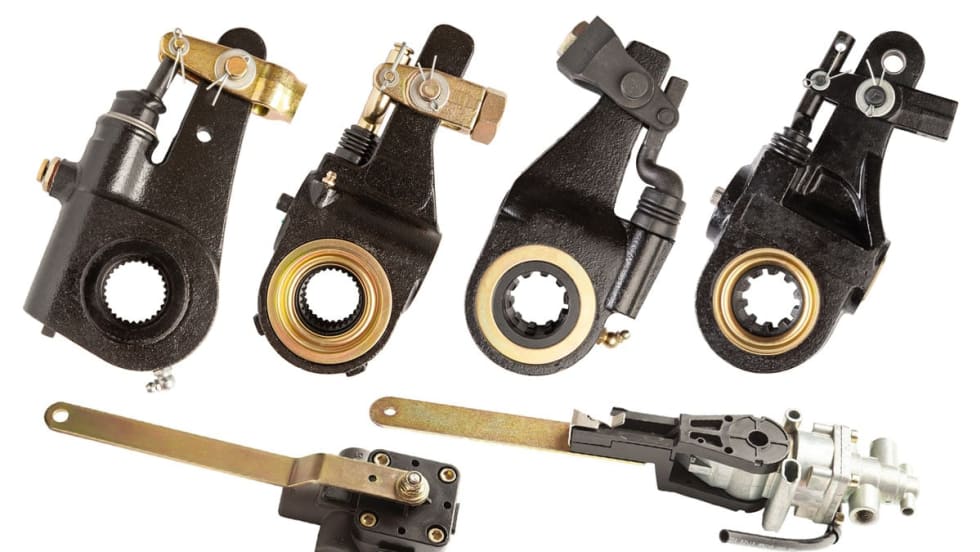
All-Makes Automatic Brake Adjusters, Ride Height Control Valves from Midland
SAF-Holland has added automatic brake adjusters and ride height control valves to its Midland All-Makes Program.
Read More →
ZF Aftermarket Expands [pro]Academy Training
ZF Aftermarket said it is expanding its ZF [pro]Academy training and will be adding 40 new modules this year.
Read More →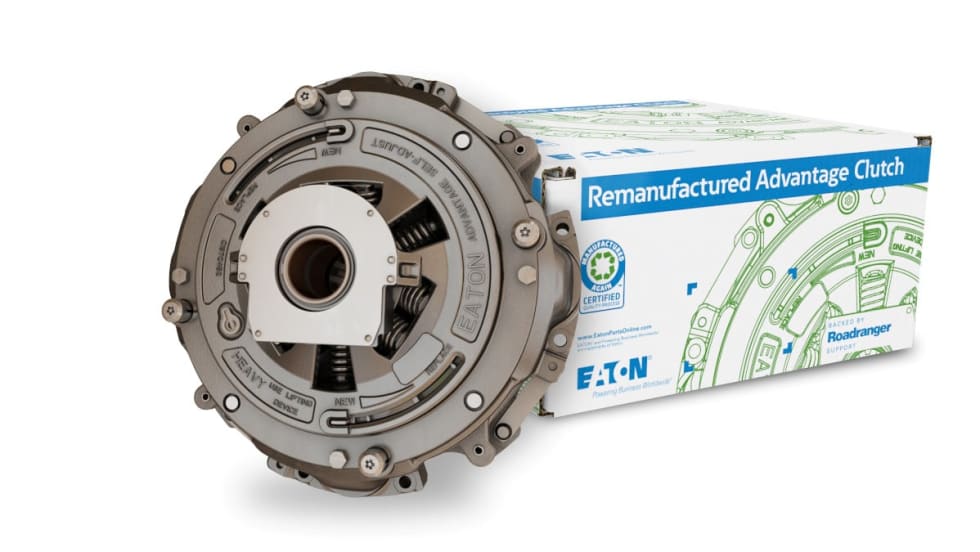
Eaton Adds Remanufactured Advantage Line of Clutches
Eaton has added its Advantage clutches to its remanufactured product line. The clutches feature a unique strap drive intermediate plate designed to allow customers to choose the latest OE specification
Read More →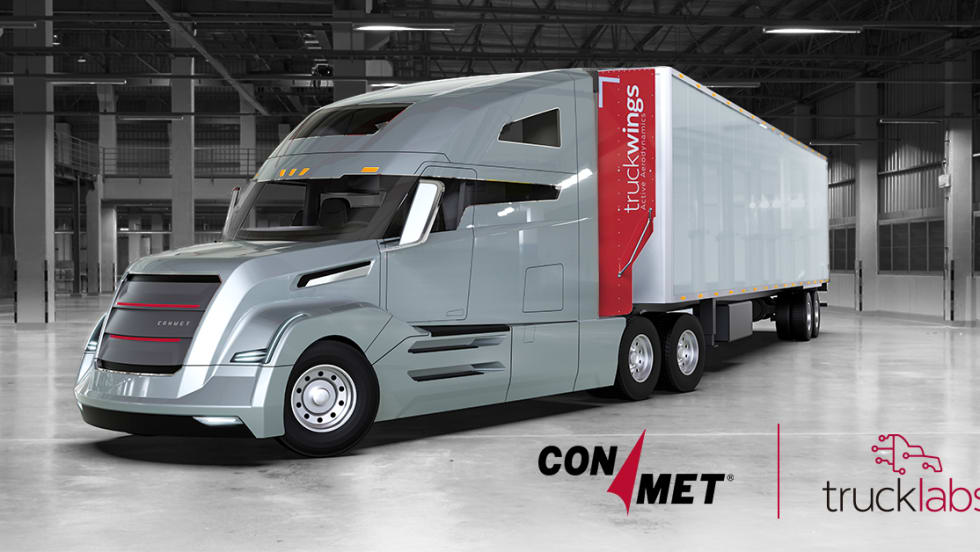
ConMet Acquires TruckLabs, the Creator of TruckWings
Commercial truck and trailer parts provider ConMet acquired TruckLabs, the company that created TruckWings, an aerodynamic device that attaches to truck cabs and deploys to close the gap between truck and trailer. TruckLabs now operates as a subsidiary of ConMet.
Read More →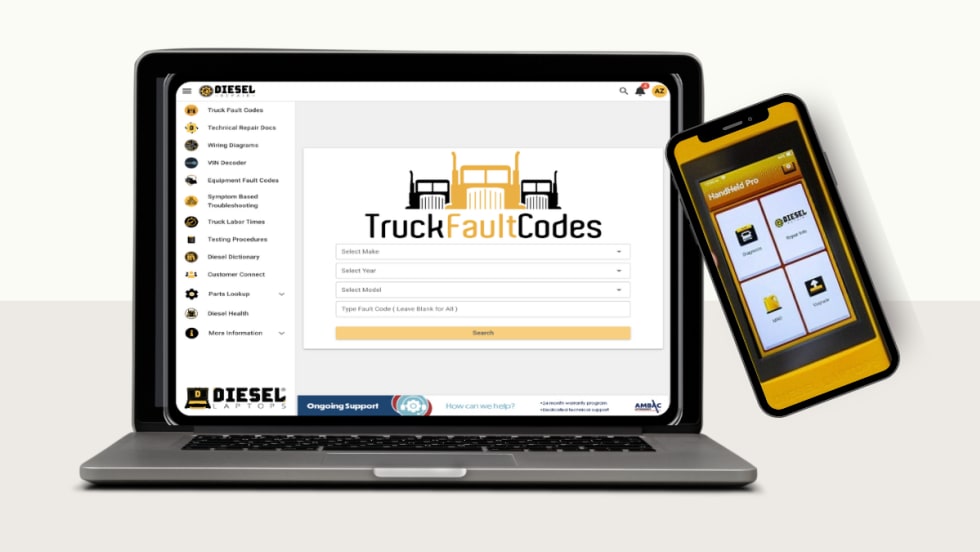
Diesel Laptops Releases Fault-Code-to-Part-Number Tool
Diesel Laptops said its Truck Fault Codes allows users to input a fault code and immediately identify and order the parts needed to complete repair work.
Read More →