




Ontario Trucking Association Urges Government to Catch Up With Greening of Industry
Despite recent findings that Ontario trucking companies are gung ho about going green, regulations and financial barriers are preventing companies from taking the necessary steps to help the environmen
Despite recent findings that Ontario trucking companies are gung ho about going green, regulations and financial barriers are preventing companies from taking the necessary steps to help the environment
, according to David Bradley, president of the Ontario Trucking Association.
A recent survey of OTA members showed that companies are embracing aftermarket technology that improves fuel efficiency and reduces GHG emissions, but barriers stand in their way.
"Some of the old rules governing truck weights and dimensions standards, which were written at a time when environmental considerations were not on the radar screen, don't provide the flexibility to allow carriers to add some of the technologies to their tractors or trailer," Bradley said. "And, there is the current reality that the industry simply doesn't have the capital or the cash to re-equip the majority of their fleet even with the payback that improved fuel efficiency brings. Credit has become very hard to get; the banks are making it tough on truckers these days."
The Canadian trucking industry has introduced a concept called enviroTruck, which calls for an industry-government partnership to speed up investment in the new generation of smog-free truck engines along with add-on technologies and devices to improve fuel efficiency and cut emissions. This is one initiative that truckers are embracing, and if the entire Canadian heavy truck fleet caught on, the GHG savings would be in the excess of 11.5 tonnes annually, the Canadian Trucking Alliance estimates.
According to the OTA survey, fleets have taken many green measures. About three quarters of respondents have implemented in-cab heaters to save on idling during the winter, while almost half have switched to auxiliary power units to heat and cool the truck cab through a separate electronic unit. Through an initiative of the Ontario Ministry of Transportation called the Green Commercial Vehicle Program, investments in these types of technologies are being encouraged through a $2.9 million over four years. The federal government used to give out partial rebates for using APUs, but the program was cancelled when a change in government occurred a couple of years ago.
The current incentive programs do not cover the full scope of proven fuel efficiency technologies, Bradley warns. For example, the survey found that 49 percent of the companies are introducing the new generation of low rolling resistant wide-base single tires into their fleets, replacing conventional dual tires. "Ontario made the progressive step of increasing the axle weight allowances to better accommodate the wide-base single tires which was very welcome; the key now is to get people moving quicker to these more fuel efficient tires and cost is a factor, especially these days," Bradley says.
The survey found that the industry is lagging behind in terms of implementing new trailer skirts, with only 9 percent, and rear of trailer aerodynamic devices, or boat tails, at 2 percent using them.
"Sometimes it takes time for some things to catch on, until people see they work; the industry has been sold a lot of snake oil in the past," Bradley notes. He says the key problem is that current regulations only permit the use of smaller boat tails compared to those allowed in the U.S., which significantly reduces the fuel efficiency benefit. "I think MTO was initially worried about the safety implications of the overhang from a full boat-tail, but we've asked them to review that matter."
"Ontario is further ahead than a lot of Canadian jurisdictions," Bradley says. "They've removed the regulatory barriers to wide-base single tires, they are about to pilot a new generation of longer truck combinations, they passed the mandatory speed limiter law, and they introduced the Green Commercial Vehicle Program. That is all good, but if GHG reduction is the fight of our lives there is so much more we can and should be doing today that does not involve increased taxes or complicated cap and trade systems. The industry's economic goals and society's environmental goals have never been more aligned."
More Aftermarket

What Three Fleets Are Doing Differently When Buying Truck Parts in 2026
With freight improving but costs still climbing, fleet maintenance executives explain how they're balancing price, quality, and supplier relationships.
Read More →
ConMet Expands Aftermarket Brake Drum Lineup With TruCast
A new heavy-duty truck brake drum option in the aftermarket gives customers more flexibility within the ConMet product family.
Read More →
Phillips Opens High-Tech Distribution Center for Faster Parts Delivery
Phillips Industries’ new Cincinnati-area distribution center is now shipping aftermarket trucking parts nationwide, aiming to speed up delivery times for customers.
Read More →
Volvo to Sponsor America’s Road Team for 2025
Volvo Trucks announced that it is extending its exclusive sponsorship of America’s Road Team for 2025.
Read More →
Webb to Start Taking Orders for UltraSet Pre-Adjusted Wheel Hubs
Webb, which recently acquired the Stemco Trifecta pre-adjusted hub program, will soon start taking orders for its replacement pre-assembled hub, the UltraSet.
Read More →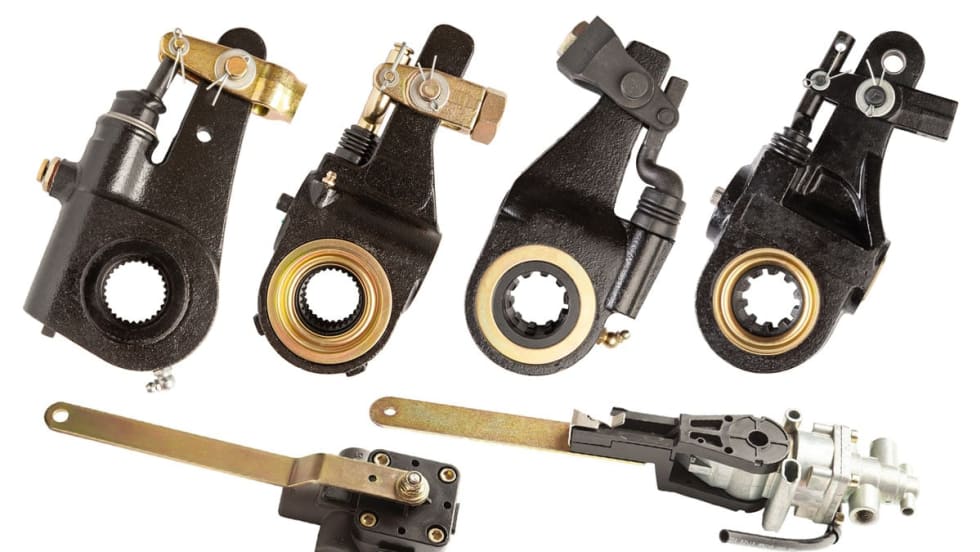
All-Makes Automatic Brake Adjusters, Ride Height Control Valves from Midland
SAF-Holland has added automatic brake adjusters and ride height control valves to its Midland All-Makes Program.
Read More →
ZF Aftermarket Expands [pro]Academy Training
ZF Aftermarket said it is expanding its ZF [pro]Academy training and will be adding 40 new modules this year.
Read More →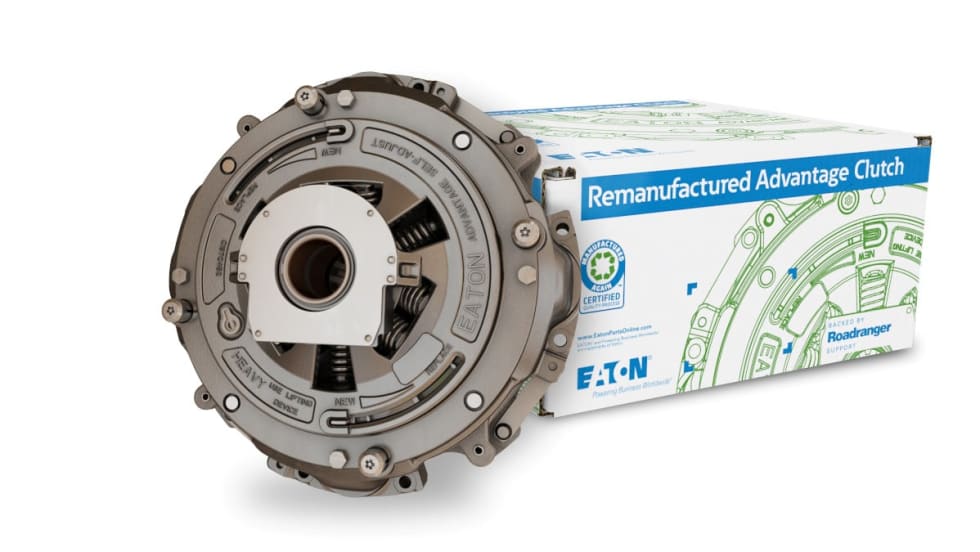
Eaton Adds Remanufactured Advantage Line of Clutches
Eaton has added its Advantage clutches to its remanufactured product line. The clutches feature a unique strap drive intermediate plate designed to allow customers to choose the latest OE specification
Read More →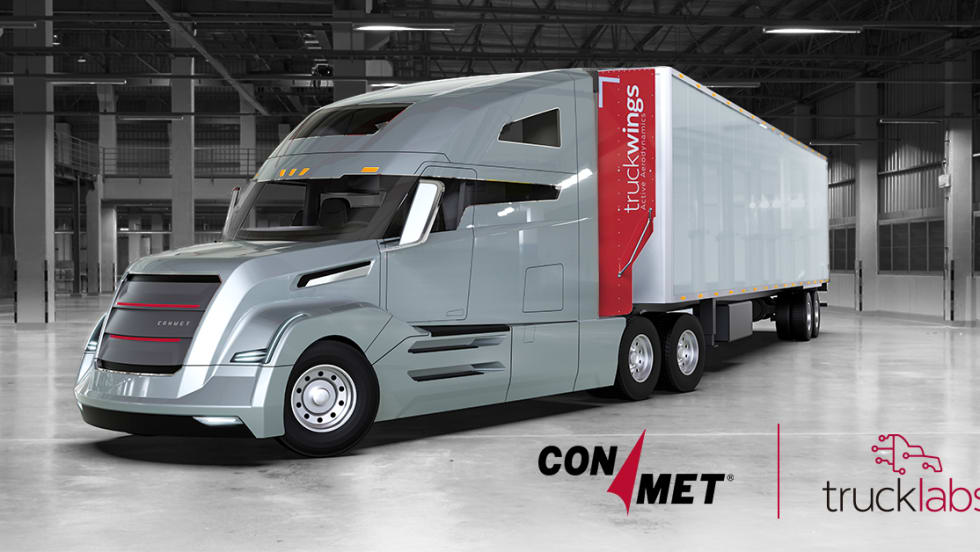
ConMet Acquires TruckLabs, the Creator of TruckWings
Commercial truck and trailer parts provider ConMet acquired TruckLabs, the company that created TruckWings, an aerodynamic device that attaches to truck cabs and deploys to close the gap between truck and trailer. TruckLabs now operates as a subsidiary of ConMet.
Read More →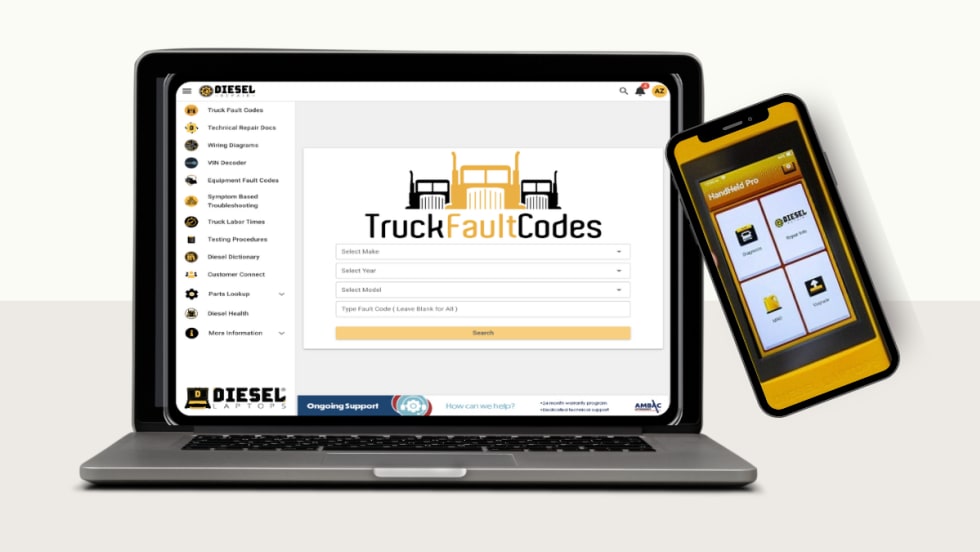
Diesel Laptops Releases Fault-Code-to-Part-Number Tool
Diesel Laptops said its Truck Fault Codes allows users to input a fault code and immediately identify and order the parts needed to complete repair work.
Read More →