




One Company's Tale of Moving A Super Load
When a manufacturing plant in Ohio sold three generating turbines weighing 409,944 pounds each and measuring over 59 feet long by 15 1/2 feet wide and with a height of nearly 15 feet to an international
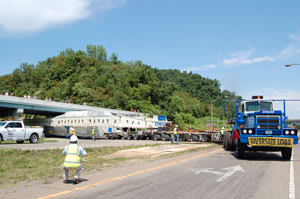
When a manufacturing plant in Ohio sold three generating turbines weighing 409,944 pounds each and measuring over 59 feet long by 15 1/2 feet wide and with a height of nearly 15 feet to an international oil company to power an oil rig in the Caspian Sea, it was no surprise that the delivery of these mega-sized components would be a major undertaking.
In addition to their extremely large dimensions, the delivery schedule was fast approaching that required arrival of these pieces before the cold winter months of Russia settled in and the waterways to the oil rig froze over.
Edwards Moving & Rigging, based in Shelbyville, Ky., was contacted to examine the feasibility of moving these load that weighed over 1 million pounds. Personnel immediately began to research viable transport routes.
Rail delivery of these pieces was ruled out early on in the process due to clearance issues with bridges and tunnels. Since these pieces would eventually travel to the Caspian Sea by way of a ship, a suitable barge site had to be identified. With the discovery of the closest barge site 126 miles away, getting these pieces safely to their final destination would require a lot of logistical planning, coordination, traffic control and attention to detail.
Route surveys and permit approvals
Edwards began by extensively examining and analyzing multiple route options in order to ensure the safest and most cost effective delivery of this cargo. After weeks of conducting route surveys, one route appeared to be feasible.
However, one major hurdle remained, the Ohio Department of Transportation needed to approve and issue the necessary permits for these pieces to travel along their roadways.
The total gross weight for each of these transports was 1,005,072 pounds, and exceeded the heaviest load ever permitted in the state of Ohio. This meant that ODOT needed to be convinced that the moves could occur safely and without any damage to their highway
infrastructure. After multiple meetings with ODOT, the permits were finally approved.
Contingency planning
The safe transport of any super load is no easy task. Numerous contingency plans have to be developed and reviewed to ensure the safety of the general public and crew members while the transport is en route.
A critical component of this planning phase involved the development of a traffic control plan. This plan outlined the necessary law enforcement responsibilities to ensure that adequate measures were in place to safely control the movement of traffic as well as the transporter.
The primary objective of each move was to maintain a safe travel speed while allowing traffic flow to open up once the transporter had passed. Each turbine took three days to travel from the plant to the barge site requiring strategic staging areas along the route and security on hand to ensure that the equipment and cargo were protected.
Emergency preparedness plans were another key area that required coordination and communication with each municipality as the transporter traveled to its final destination. Local authorities were continuously apprised of the transporter's travel schedule in order to respond to any emergency that might occur.
Transporting each of these loads required intense coordination with utility companies as numerous power and overhead lines needed to be raised due to height restrictions. To accomplish this, bucket trucks were positioned along the shoulder of roadways in order to allow the transporter to continue moving while the necessary lines were raised.
In essence, the coordination with these support vehicles resulted in a "leap frog" procession allowing everyone involved in the actual move to continue on at a steady pace. Rail lines along the route also had to be crossed requiring the transport team to get approval from the rail master before safely proceeding over them.
Collaboration
Before the first load proceeded, Edwards had to establish strong working relationships with local officials along the transport route. Many strategies had to be worked out together, including coordinating schedules to ensure that Edward's job scope would minimize traffic congestion and pose minimal interruption to local businesses.
Public service announcements were placed in local newspapers and illuminated traffic control signs were placed strategically throughout the route alerting the general public to the movement of these super loads. This allowed the public sufficient time to make any necessary adjustments with their daily travel routines and eliminated the obstruction of parked vehicles along narrow passageways.
The first stretch of this 126-mile journey was primarily rural country roads requiring tree limbs to be cut back allowing the transporter to pass safely without damaging the loads.
Another critical issue that had to be completed before the moves would take place included the need to travel 10 miles in the oncoming traffic lane along a major interstate that was under construction. With an expansion project going on, the east bound lanes were too narrow for this wide load to pass requiring the west bound lanes to be shut down.
Equipment needs
In order to move these super loads, Edwards had to design a transporter configuration that would handle multiple bridge crossings/overpasses, steep road grades and sharp turns.
Additionally, the height of these pieces required that the design of the transporter minimize overhead obstructions.
With a plan in place, Edwards configured a 32-axle Suspension Beam dual-lane transporter that measured 209 feet in length. With its cargo bay loaded, this trailer configuration required the assistance of a pull truck and two push trucks. The total length of the transporter would now be 352 feet.
Transport challenges
As if transporting these super loads across 126 miles of three major interstates, one of which was undergoing major construction, wasn't challenging enough, the last two miles of their journey proved to be the real test for the crew.
The final stretch to the barge site entailed 90 degree turns as well as requiring the pieces to be transloaded from a 209-foot suspension beam trailer to a smaller transporter due to the limited access space at the barge site.
After all three of the pieces were successfully delivered to the barge site and staged, the last remaining task was to load them onto a special barge. Once the third turbine was loaded, the barge headed to a port where they were then transloaded onto an ocean-carrying vessel.
More Aftermarket
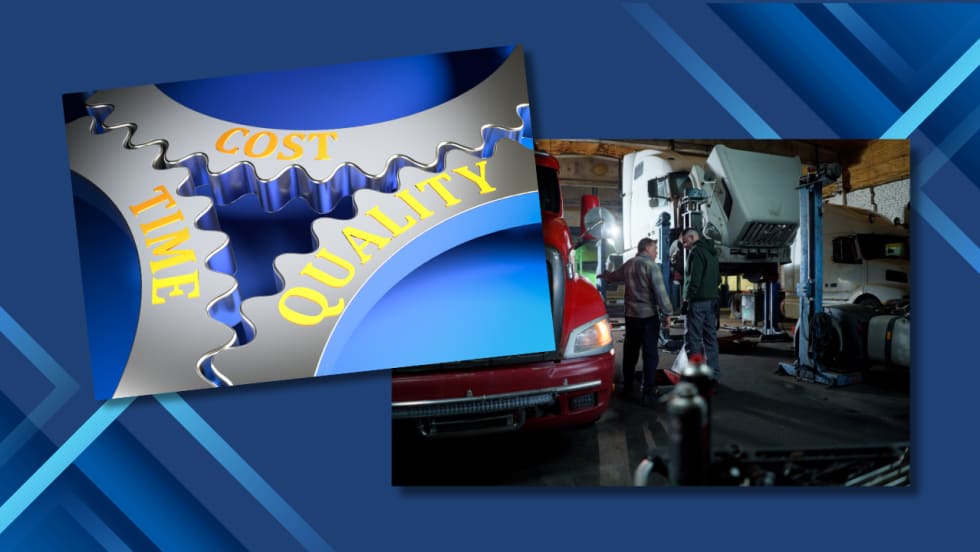
What Three Fleets Are Doing Differently When Buying Truck Parts in 2026
With freight improving but costs still climbing, fleet maintenance executives explain how they're balancing price, quality, and supplier relationships.
Read More →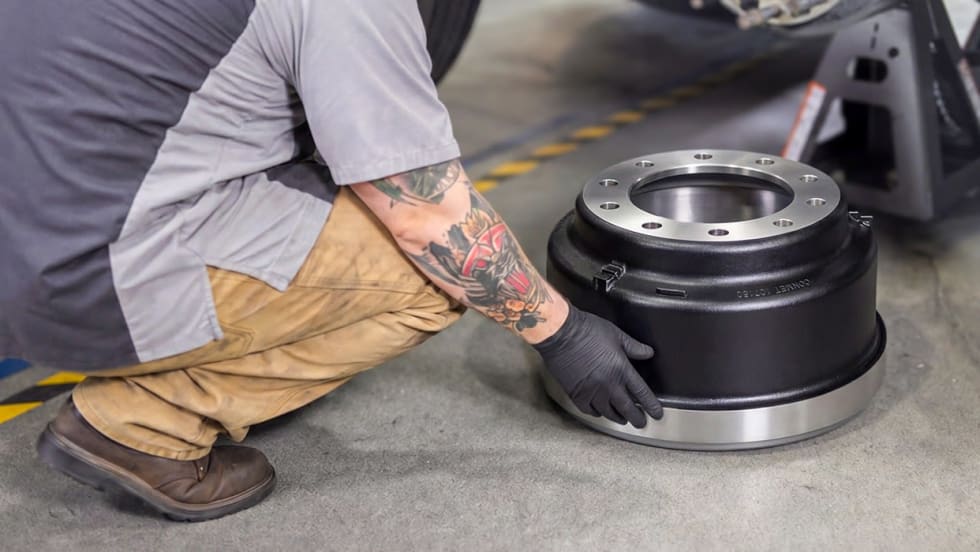
ConMet Expands Aftermarket Brake Drum Lineup With TruCast
A new heavy-duty truck brake drum option in the aftermarket gives customers more flexibility within the ConMet product family.
Read More →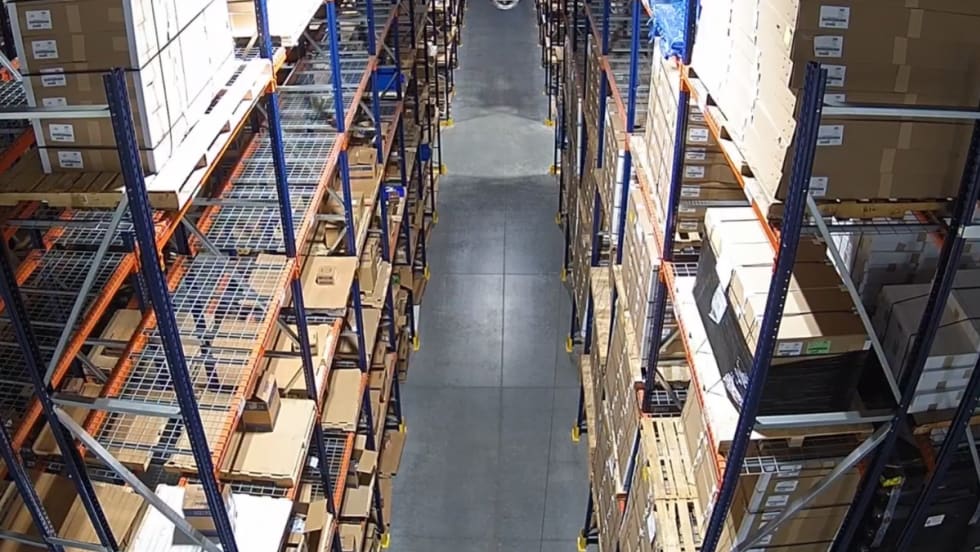
Phillips Opens High-Tech Distribution Center for Faster Parts Delivery
Phillips Industries’ new Cincinnati-area distribution center is now shipping aftermarket trucking parts nationwide, aiming to speed up delivery times for customers.
Read More →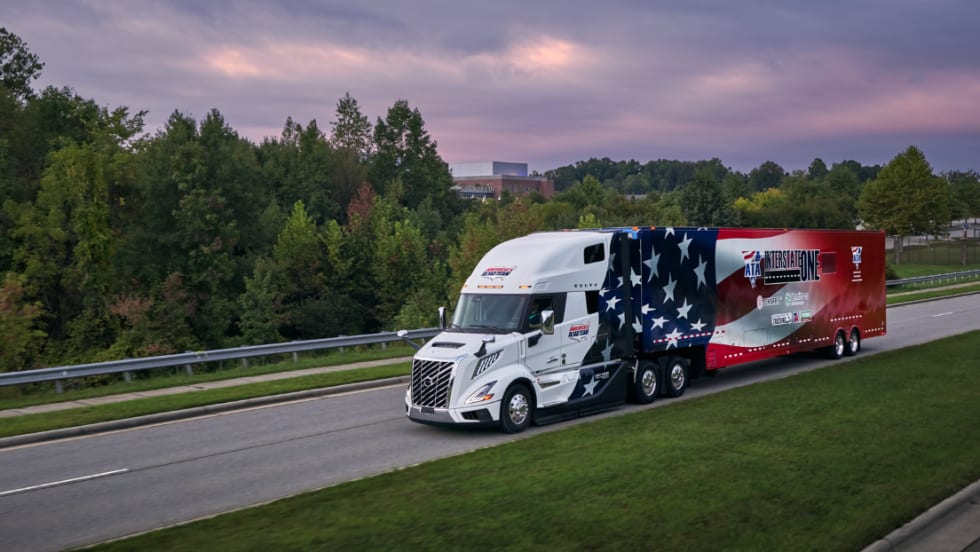
Volvo to Sponsor America’s Road Team for 2025
Volvo Trucks announced that it is extending its exclusive sponsorship of America’s Road Team for 2025.
Read More →
Webb to Start Taking Orders for UltraSet Pre-Adjusted Wheel Hubs
Webb, which recently acquired the Stemco Trifecta pre-adjusted hub program, will soon start taking orders for its replacement pre-assembled hub, the UltraSet.
Read More →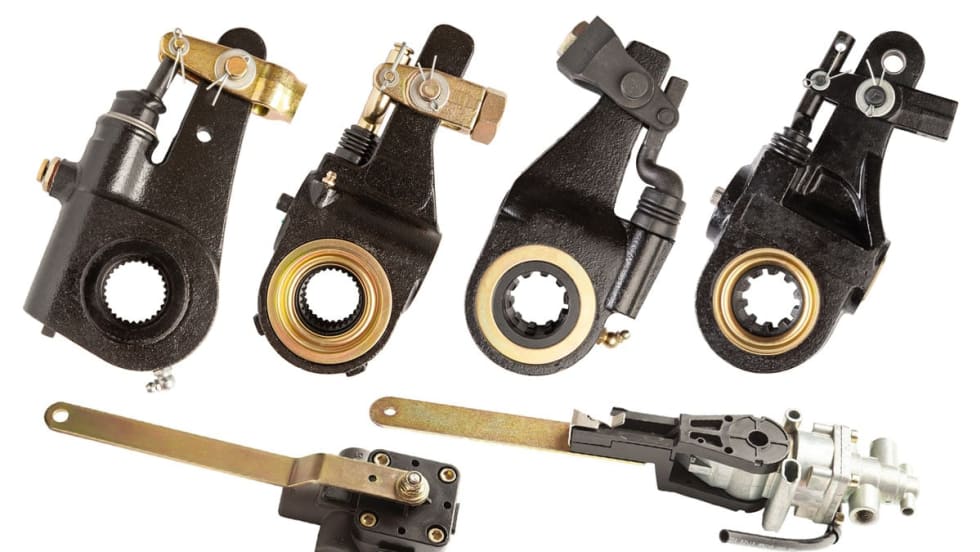
All-Makes Automatic Brake Adjusters, Ride Height Control Valves from Midland
SAF-Holland has added automatic brake adjusters and ride height control valves to its Midland All-Makes Program.
Read More →
ZF Aftermarket Expands [pro]Academy Training
ZF Aftermarket said it is expanding its ZF [pro]Academy training and will be adding 40 new modules this year.
Read More →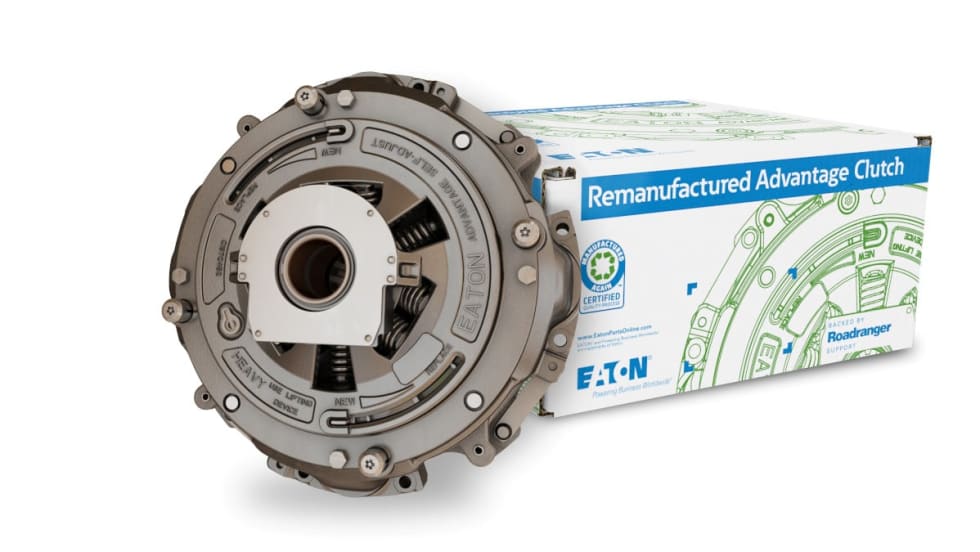
Eaton Adds Remanufactured Advantage Line of Clutches
Eaton has added its Advantage clutches to its remanufactured product line. The clutches feature a unique strap drive intermediate plate designed to allow customers to choose the latest OE specification
Read More →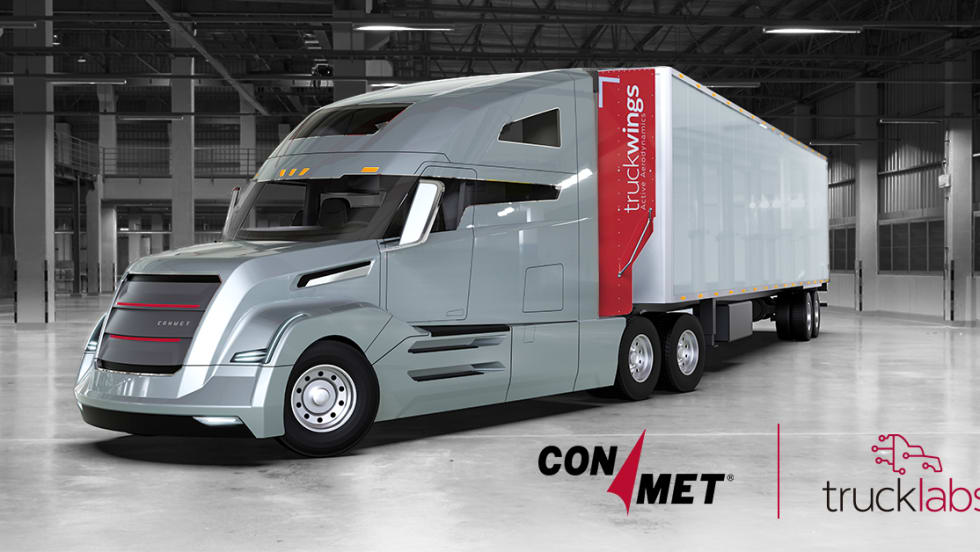
ConMet Acquires TruckLabs, the Creator of TruckWings
Commercial truck and trailer parts provider ConMet acquired TruckLabs, the company that created TruckWings, an aerodynamic device that attaches to truck cabs and deploys to close the gap between truck and trailer. TruckLabs now operates as a subsidiary of ConMet.
Read More →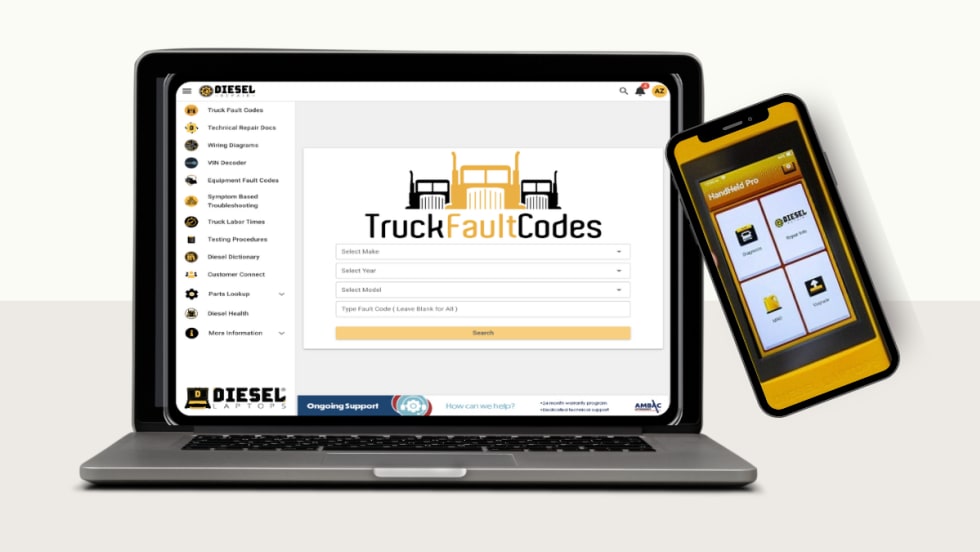
Diesel Laptops Releases Fault-Code-to-Part-Number Tool
Diesel Laptops said its Truck Fault Codes allows users to input a fault code and immediately identify and order the parts needed to complete repair work.
Read More →