




Oil Prices Hit New High, House Passes Anti-OPEC Legislation
Oil prices closed over $129 for the first time Tuesday, as the U.S. House of Representatives passed legislation that would seek to subject OPEC oil producers to U.S. antitrust laws and investigate energy market manipulation
Oil prices closed over $129 for the first time Tuesday, as the U.S. House of Representatives passed legislation that would seek to subject OPEC oil producers to U.S. antitrust laws and investigate energy market manipulation.
The June contract for light, sweet crude traded as high as $129.60 on the New York Mercantile Exchange before closing at $129.07, up $2.02 from Monday's record high. It was the 10th time in the last 12 trading sessions crude prices have hit trading or closing records. The July contract, which becomes the main contract in trading today, was trading at up to $129.29.
Oil futures are now selling for about twice what they were just a year ago, and one analyst at the Oil Price Information Service called it "a runaway market," reported the Associated Press.
Meanwhile, Reuters reports, the U.S. House of Representatives overwhelmingly approved legislation Tuesday allowing the Justice Department to sue OPEC members for limiting oil supplies and working together to set crude prices.
The bill would subject OPEC oil producers to the same antitrust laws that U.S. companies must follow. The legislation also creates a Justice Department task force to investigate fuel price gouging and energy market manipulation.
The White House has threatened to veto the bill, but the bill passed by a large enough margin to override.
House Speaker Nancy Pelosi said in a statement, "The House today with a strong bipartisan and veto-proof margin voted to hold foreign oil cartels and Big Oil accountable.
"The legislation provides the Justice Department with a critical tool to pursue antitrust actions against OPEC-controlled entities for fixing prices and creates a new Justice Department Petroleum Industry Antitrust Task Force to examine anticompetitive market practices in the oil industry. It also requires that the mergers of Big Oil companies in recent years be examined for anticompetitive effects."
More Drivers

EEOC Sues Texas Trucking Company Over Driver Age Limits
The agency says Trancasa USA rejected applicants over 65 and applied tougher driving-record standards to those over 60.
Read More →
Nussbaum, Roehl Announce Second Driver Pay Increase This Year
This year has seen a swath of major truck driver pay increases as freight capacity has tightened.
Read More →
From One Generation to the Next: How Mentorship Builds Safer Truck Drivers
After three decades in trucking, Harold Perry shares what he's learned about driver safety, mentorship, and helping the next generation build confidence behind the wheel.
Read More →
Truck Drivers Need More Than Another Alert
Fleets have more visibility into truck health, safety events, and driver activity than ever. The next challenge is turning all that information into useful guidance for the person who has to decide what to do next.
Read More →
FMCSA Removes 110 Truck Driver Training Schools from Certified ELDT List
Federal regulators also are targeting more than 160 additional training providers and launching a nationwide audit of third-party CDL skills testers as part of a broader crackdown on trucking fraud.
Read More →
Hours of Service Pilot Programs: FMCSA Readies for 2027 Rollout
Two pilot programs could eventually reshape hours-of-service rules, giving truck drivers options to pause their 14-hour clock or use longer split sleeper rest periods.
Read More →
Medical Cards, English Proficiency Reshape Roadcheck Violations
Medical-card violations jumped to the top of the driver out-of-service list during CVSA’s 2026 International Roadcheck, while English-language proficiency violations appeared among the leading violations for the first time.
Read More →
Driver Trust Can Make or Break the Success of Fleet Safety Technology
New Teletrac Navman research suggests that onboarding, transparency about driver data, and positive feedback can play a significant role in how commercial drivers respond to safety and coaching technology.
Read More →
EEOC Sues KLLM Over Alleged Sex Discrimination in Driver Training
KLLM is facing a federal sex-discrimination lawsuit over policies the EEOC alleges put female truck driver trainees at a disadvantage.
Read More →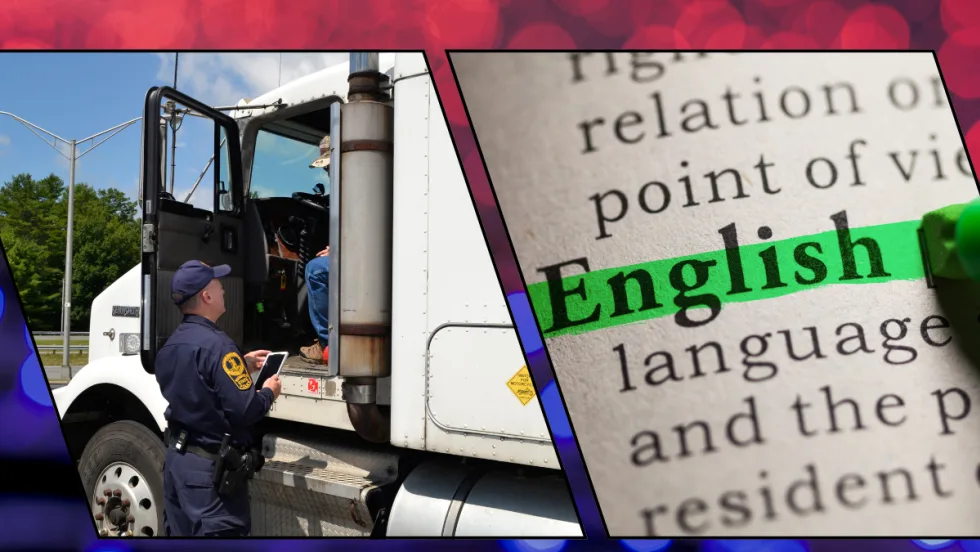
FMCSA Moves to Codify English Language Requirements for Commercial Drivers
By changing regulations on English-language proficiency requirements for commercial drivers, rather than relying on a guidance memo, the FMCSA said future administrations won't be able to walk back the Trump administration's stricter enforcement with just a memo.
Read More →