




October Likely To See Layoffs
At least two manufacturers will likely lay off workers after new engine emissions regulations take effect Oct. 1
At least two manufacturers will likely lay off workers after new engine emissions regulations take effect Oct. 1.
According to published reports, Detroit Diesel could lay off as many as 700 workers for an indefinite amount of time by the second week of October because of falling orders for Series 60 engines. That’s about 45 percent of the 1,550 workers making truck engines at the DaimlerChrysler subsidiary. Engine production is expected to drop to 50 to 60 engines a day in October from about 250 a day currently, according to Bloomberg.
Navistar has also warned of the possibility of job cuts. According to London’s Financial Times, Friday the company told workers at its main heavy truck manufacturing plant in Chatham, Ontario, that it might have to cut 400 jobs starting in November because its advance order book is not filled.
Under Canadian law, companies must give 12 weeks notice of the possibility of layoffs, and says it hopes it will not have to cut jobs.
Orders have been brisk this year as many larger fleets pre-buy trucks before the new regulations take effect, fearing increased costs and reduced fuel economy and reliability in the new engines. Fleets say they have not had enough time to field-test the new engines.
A Navistar officials says it doesn’t know how much of this year’s increased truck sales has been due to pre-buy and how much to economic turnaround. In fact, next week it plans to increase production at its Chatham plant from 39 to 65 trucks a day to meet the current demand, according to the Times.
Paccar said last month that fourth-quarter sales could be “unfavorably impacted as a result of the current accelerated buying and slow growth of general freight.”
More Aftermarket
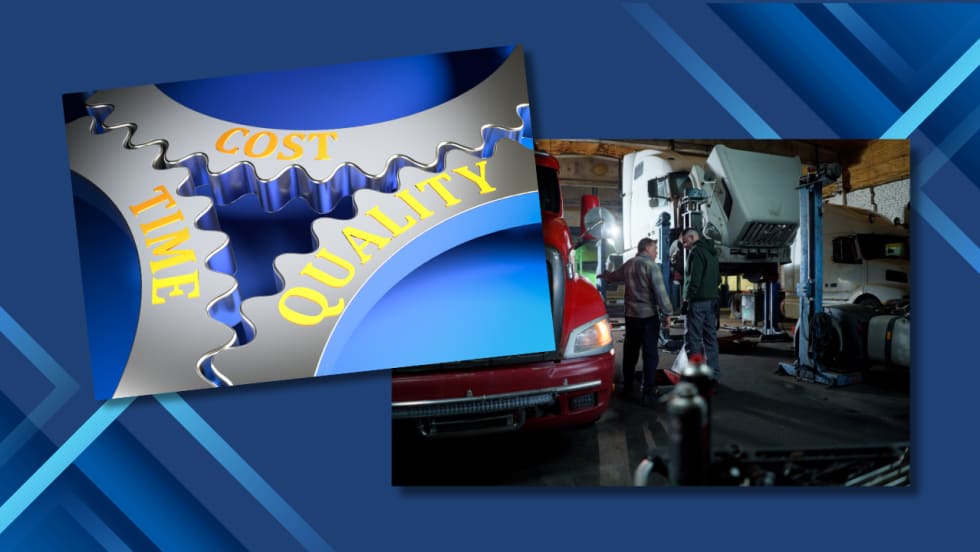
What Three Fleets Are Doing Differently When Buying Truck Parts in 2026
With freight improving but costs still climbing, fleet maintenance executives explain how they're balancing price, quality, and supplier relationships.
Read More →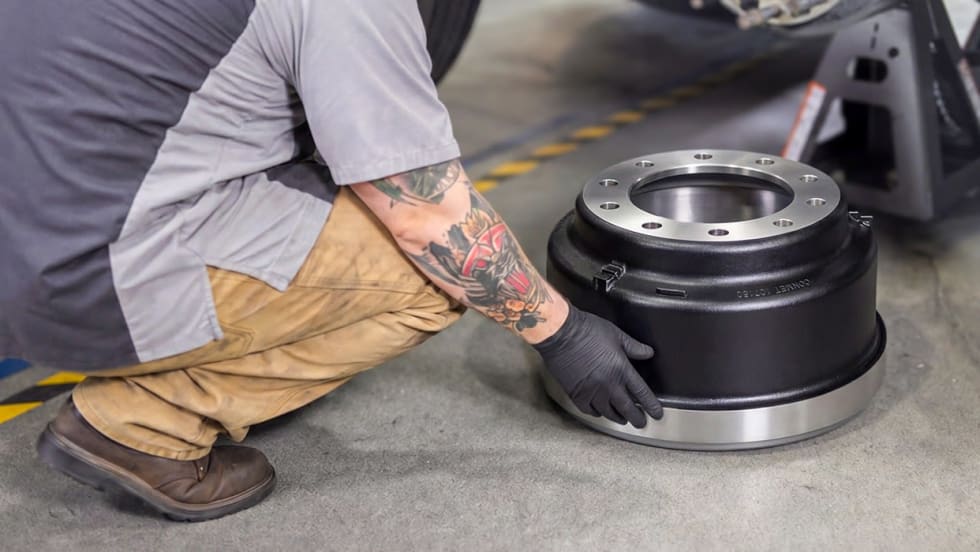
ConMet Expands Aftermarket Brake Drum Lineup With TruCast
A new heavy-duty truck brake drum option in the aftermarket gives customers more flexibility within the ConMet product family.
Read More →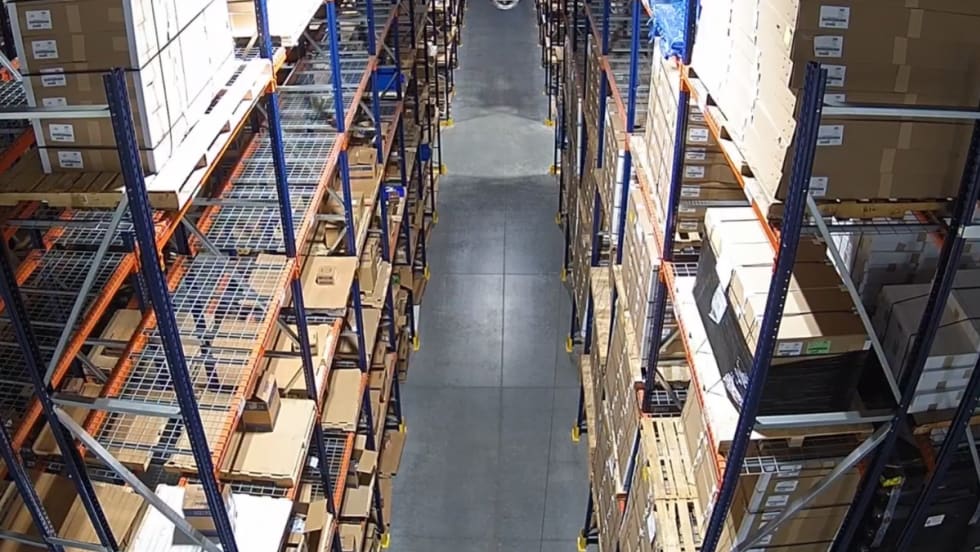
Phillips Opens High-Tech Distribution Center for Faster Parts Delivery
Phillips Industries’ new Cincinnati-area distribution center is now shipping aftermarket trucking parts nationwide, aiming to speed up delivery times for customers.
Read More →
Volvo to Sponsor America’s Road Team for 2025
Volvo Trucks announced that it is extending its exclusive sponsorship of America’s Road Team for 2025.
Read More →
Webb to Start Taking Orders for UltraSet Pre-Adjusted Wheel Hubs
Webb, which recently acquired the Stemco Trifecta pre-adjusted hub program, will soon start taking orders for its replacement pre-assembled hub, the UltraSet.
Read More →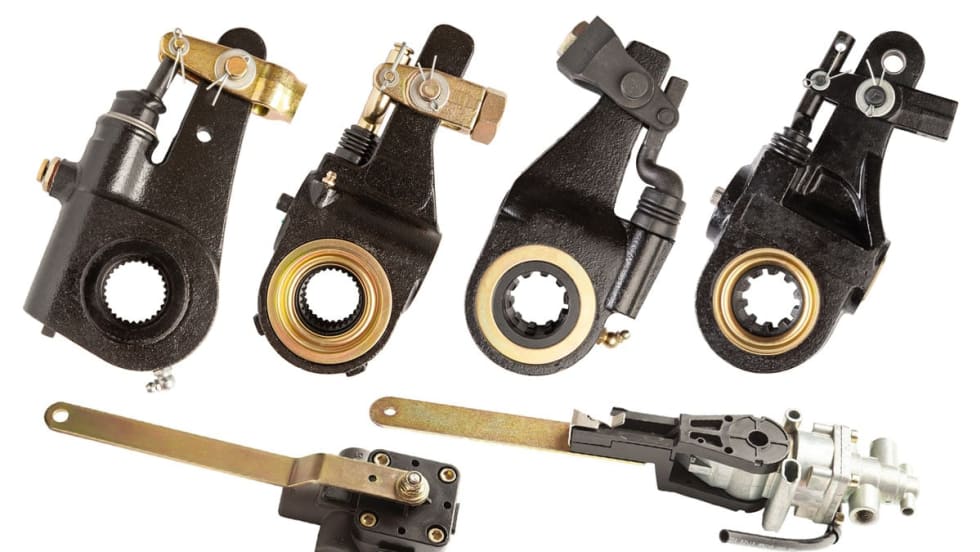
All-Makes Automatic Brake Adjusters, Ride Height Control Valves from Midland
SAF-Holland has added automatic brake adjusters and ride height control valves to its Midland All-Makes Program.
Read More →
ZF Aftermarket Expands [pro]Academy Training
ZF Aftermarket said it is expanding its ZF [pro]Academy training and will be adding 40 new modules this year.
Read More →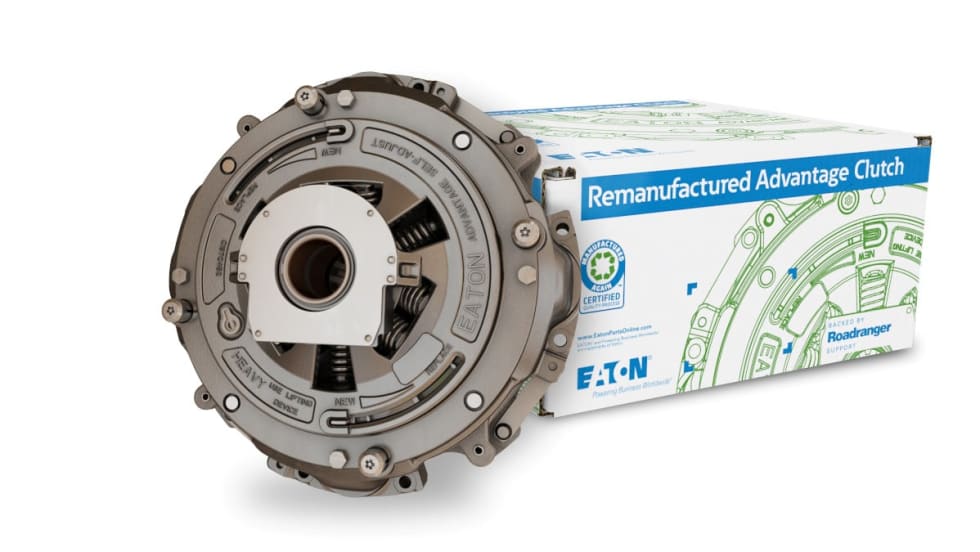
Eaton Adds Remanufactured Advantage Line of Clutches
Eaton has added its Advantage clutches to its remanufactured product line. The clutches feature a unique strap drive intermediate plate designed to allow customers to choose the latest OE specification
Read More →
ConMet Acquires TruckLabs, the Creator of TruckWings
Commercial truck and trailer parts provider ConMet acquired TruckLabs, the company that created TruckWings, an aerodynamic device that attaches to truck cabs and deploys to close the gap between truck and trailer. TruckLabs now operates as a subsidiary of ConMet.
Read More →
Diesel Laptops Releases Fault-Code-to-Part-Number Tool
Diesel Laptops said its Truck Fault Codes allows users to input a fault code and immediately identify and order the parts needed to complete repair work.
Read More →