




No One Wants to Go First on Highway Taxes
The to-and-fro over highway funding continued in the Senate Wednesday with Transportation Secretary Anthony Foxx politely deflecting Sen. John Thune’s attempt to get the Obama administration to say it would accept a fuel tax increase.

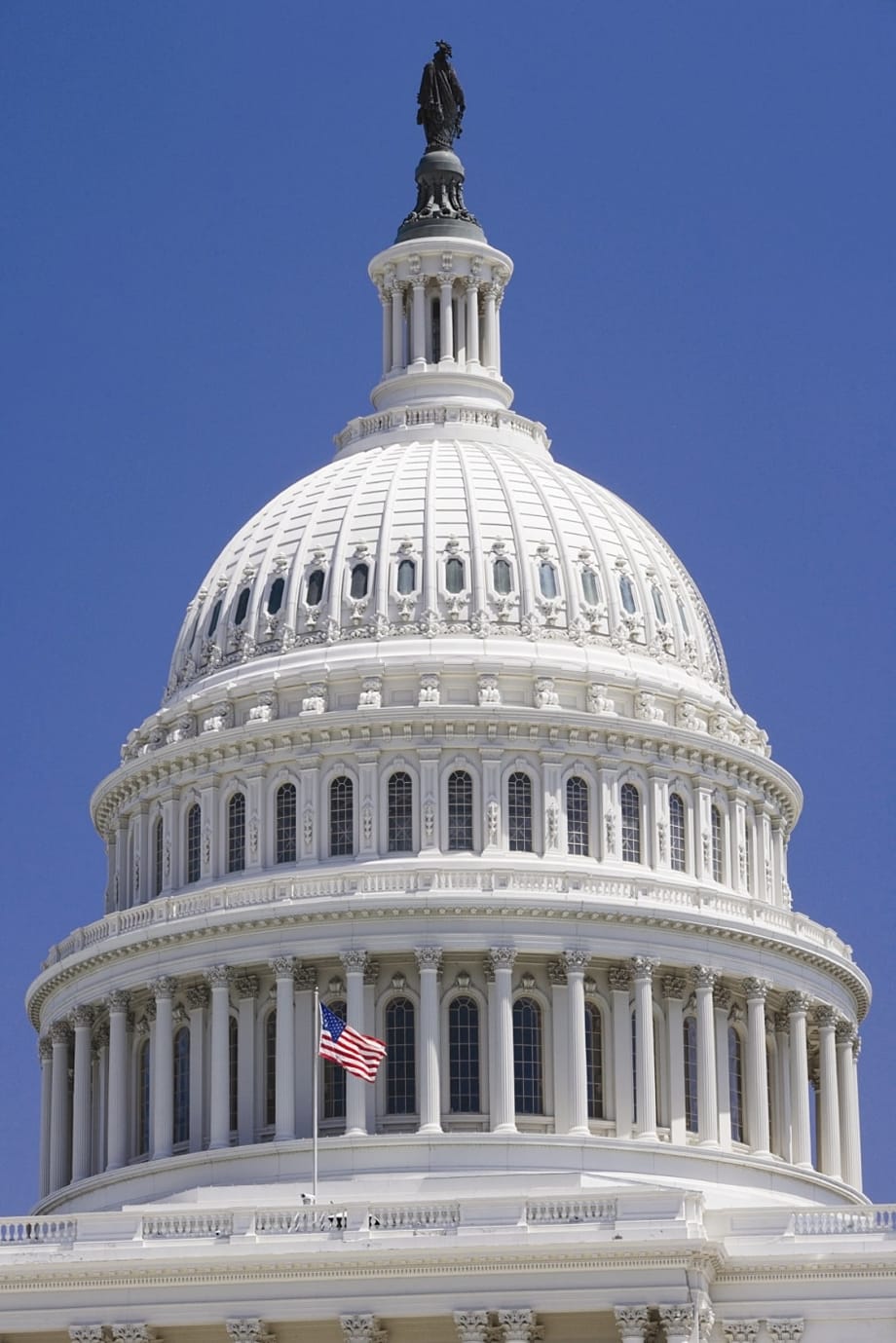

The to-and-fro over highway funding continued in the Senate Wednesday with Transportation Secretary Anthony Foxx politely deflecting Sen. John Thune’s attempt to get the Obama administration to say it would accept a fuel tax increase.
The South Dakota Republican, ranking member of the Senate Commerce Committee, said he is skeptical of the administration’s proposal to replenish the Highway Trust Fund with a one-time windfall from a reform in the corporate tax code.
“This aspect of the plan is unlikely to secure broad support in Congress and fails to provide a longer-term funding solution for these vital programs,” Thune said. “It is not a long-term solution.”
Noting that there has been some support in Congress for raising the fuel tax, he asked if the administration open to that idea.
“Our proposal is our proposal,” Foxx replied.
Foxx said the administration is responding to the message that Congress does not want to raise taxes or add to the deficit, and noted that the fuel tax has been on the table for quite a while. “It’s a tool that has been available to Congress over the last several years.”
Thune replied that while the tax has been available it’s hard for Congress to get behind that approach if the administration does not support it.
“Our ears and minds are open to what emerges from Hill,” Foxx replied, adding that he would make no commitment on how the administration would react to an increase, only that it would participate in the discussion.
“You would not rule it out?” Thune said.
Foxx: “We are listening to what Congress says collectively.”
Thune: “That’s what your predecessor (former Transportation Secretary Ray LaHood) said, except that he ruled it out.”
The exchange ended with Sen. Jay Rockefeller, D-W.Va., the chairman of the Commerce Committee, applauding Thune for his effort.
“You tried to pin him down there and he wouldn’t answer,” Rockefeller said. “That’s what’s called the influence of (the Office of Management and Budget).”
And Rockefeller chided Foxx: “You’re better than that Mr. Secretary.”
Thune also wanted to know why DOT is proposing in its bill a 70% increase for transit and a 243% increase for rails but only 21% for highways.
The focus on transit and rail is to prepare the national infrastructure for the expected population growth of 100 million and freight growth of 14 billion tons over the next 36 years, he said.
This hearing was nominally about the safety provisions of the administration’s highway bill, but Thune and Rockefeller are members of the Senate Finance Committee, which is responsible for finding the money to keep the Highway Trust Fund from going bust.
The fund will be down to $3 billion by around late August, and already state transportation departments are shelving plans for infrastructure projects because they’re not sure they will get the federal contribution they expected.
Tolling, Hours of Service, Detention Pay
Specific trucking issues did get some coverage at the Commerce Committee’s Wednesday hearing.
Sen. Deb Fischer, R-Neb., wanted Foxx’s assurance that DOT would maintain the hours-of-service exemption for agricultural haulers.
Foxx said the department will continue to make rules exemptions as long as they maintain a proper balance between safety and efficiency.
Fischer also expressed concern about DOT’s proposal in its bill to open up Interstates to tolling.
Foxx replied that the proposal is limited: those tolls could be imposed only at the request of the state’s governor and would have to be approved by DOT, he said.
Tolling can be useful but is not the solution to the highway funding problem, he said.
Sen. Kelly Ayotte, R-N.H., told Foxx she’s hearing a lot of complaints about the hours of service rule, not just from carriers but from shippers and receivers as well.
“I think the rule has substantial problems,” she said, and asked for a cost-benefit analysis.
The Federal Motor Carrier Safety Administration has studied the impact of the rule and is convinced that it is good, Foxx said. He added that he would submit a more detailed answer on the record.
Sen. Roy Blunt, R-Mo., brought up the provision in the administration’s bill that would change the way drivers are paid. The bill would require carriers to pay drivers at least the federal minimum wage for time spent waiting to be loaded or unloaded.
“Did you offer that because new (hours of service) rule had a wage impact on drivers?” Blunt asked.
Foxx said he would submit an answer for the record. It is worth noting that the agency has long contended that uncompensated wait times can be detrimental to safety.
Legislative action on the highway bill will continue Thursday when the Senate Environment and Public Works Committee introduces its proposal to reauthorize the program.
More Fleet Management

Color Match Smarter: Tools That Restore & Perform
For fleet managers and collision repair professionals keeping heavy-duty trucks on the road, getting the color right the first time isn't just about appearance — it's about efficiency, turnaround time, and bottom-line results. Discover how today's digital color tools are transforming the repair process from guesswork to precision.
Read More →
FMCSA Pauses Biennial-Update Enforcement Amid Motus Transition
Carriers whose updates were due on or after June 1 have more time, while FMCSA works to stabilize its new registration system and warns of phishing sites impersonating its new carrier registration system, Motus.
Read More →
2026 Blueprint for Countering Smarter Supply Chain Theft
Cargo theft is no longer just the cost of doing business. It's a multi-billion-dollar criminal enterprise exploiting vulnerabilities across your fleet, drivers, and supply chain.
Read More →


How Telematics Improves Visibility, Control, and Performance in Refrigerated Fleets
Explore how telematics help refrigerated fleets improve visibility, uptime, efficiency, compliance, and cargo protection across connected cold chain operations.
Read More →
What the U.S.-Canada Trade War Means for Trucking
Escalating U.S.-Canada tariffs could disrupt cross-border freight, reduce truck volumes, raise costs, and create new uncertainty for carriers on both sides of the border.
Read More →
What Are Trucking’s Top Concerns for 2026?
The American Transportation Research Institute wants to know what's worrying trucking fleet managers, drivers, and other stakeholders in its annual Industry Issues survey.
Read More →
American Trucking Associations Looks for a New Leader
ATA President and CEO Chris Spear abruptly left his job at the association on August 21, at a pivotal time for the trucking industry.
Read More →
Public Wi-Fi Cybersecurity Risks: How Truck Drivers and Fleets Can Protect Their Data
Public Wi-Fi can expose truck drivers and fleets to credential theft, malware, and other cyber threats. Here’s how to reduce the risk on the road.
Read More →
For Nicky Cupp, Fleet Innovation Starts With Frustration
HDT Truck Fleet Innovator Nicky Cupp turns everyday pain points at Fraley & Schilling into opportunities for better technology and smarter processes.
Read More →
Adam Buttgenbach’s Approach to Electric Trucks: Start With Where They Fit
HDT Truck Fleet Innovator Adam Buttgenbach helped PepsiCo build one of North America’s largest EV fleets by focusing on where electric trucks make operational sense.
Read More →