




New York Becomes Latest Northeast State to Reduce Sulfur in Heating Oil
Over the last few months, several states have passed legislation to reduce the amount of sulfur in home heating oil, New York being the latest state to adopt such legislation
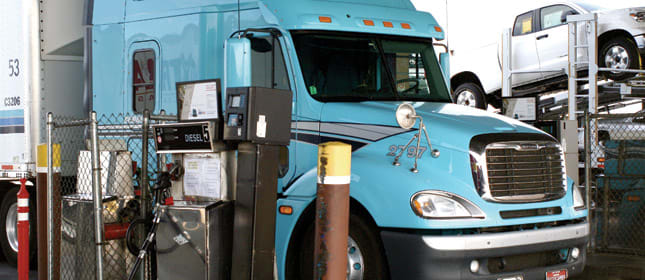
More mandates for low sulfur heating oil could mean lower supplies and higher prices of diesel at the truckstop.
Over the last few months, several states have passed legislation to reduce the amount of sulfur in home heating oil, New York being the latest state to adopt such legislation.
Last week, the state's senate approved legislation that would cut sulfur levels in #2 heating oil from the current range of 2,000 to 15,000 parts per million to the Environmental Protection Agency's limit for diesel truck fuel of up to 15 ppm. The rule would take effect July 2012.
While environmental groups support such laws as a way to reduce acid rain, regional haze and soot pollution, the trucking industry is concerned it would increase demand for ultra-low sulfur diesel, resulting in supply shortages and prices increases.
Earlier this year, the American Petroleum Institute's chief economist told a gathering of truckers that API was concerned about such proposals in the Northeast to mandate ultra-low sulfur heating oil.
"You're talking about suddenly throwing the Northeast into a situation where you could suddenly have a surge in demand," said John Felmy during the National Private Truck Council meeting. The industry just does not have the refining capacity to meet that much need for ultra-low-sulfur fuel - and home heating oil is very similar to diesel fuel, he added. "The last thing you want is a major spike in demand for diesel in the winter."
New York is not the only state truckers have to contend with. In April, Maine enacted a similar law, which requires a phased-in reduction in sulfur. In 2014, sulfur levels will be reduced to 500 ppm, followed by a reduction to 15 ppm by 2018.
"Increasing the demand for ULSD could result in supply shortages and price increases," the Maine Motor Transport Association's website said. "ATA (American Trucking Associations) believes that the benefits sought for home heating oil users could be achieved by the use of heating oil that contains no more than 50 ppm sulfur."
This month, Connecticut also followed suit, approving a bill limiting sulfur levels in heating oil to less than 0.3 percent and at least 2 percent biodiesel by July 1, 2011. But a provision of the bill holds off on implementation until Massachusetts, Rhode Island and New York pass similar legislation. Other states considering similar proposals include New Jersey and Pennsylvania.
More Drivers

Truck Drivers Need More Than Another Alert
Fleets have more visibility into truck health, safety events, and driver activity than ever. The next challenge is turning all that information into useful guidance for the person who has to decide what to do next.
Read More →
FMCSA Removes 110 Truck Driver Training Schools from Certified ELDT List
Federal regulators also are targeting more than 160 additional training providers and launching a nationwide audit of third-party CDL skills testers as part of a broader crackdown on trucking fraud.
Read More →
Hours of Service Pilot Programs: FMCSA Readies for 2027 Rollout
Two pilot programs could eventually reshape hours-of-service rules, giving truck drivers options to pause their 14-hour clock or use longer split sleeper rest periods.
Read More →
Medical Cards, English Proficiency Reshape Roadcheck Violations
Medical-card violations jumped to the top of the driver out-of-service list during CVSA’s 2026 International Roadcheck, while English-language proficiency violations appeared among the leading violations for the first time.
Read More →
Driver Trust Can Make or Break the Success of Fleet Safety Technology
New Teletrac Navman research suggests that onboarding, transparency about driver data, and positive feedback can play a significant role in how commercial drivers respond to safety and coaching technology.
Read More →
EEOC Sues KLLM Over Alleged Sex Discrimination in Driver Training
KLLM is facing a federal sex-discrimination lawsuit over policies the EEOC alleges put female truck driver trainees at a disadvantage.
Read More →
FMCSA Moves to Codify English Language Requirements for Commercial Drivers
By changing regulations on English-language proficiency requirements for commercial drivers, rather than relying on a guidance memo, the FMCSA said future administrations won't be able to walk back the Trump administration's stricter enforcement with just a memo.
Read More →
Drivers Put Western Star Trucks to the Test at Star Nation Experience
Watch to get an inside look at the Western Star trucks, technology, and community behind the Star Nation Experience 2026!
Read More →
Trump Administration Looks to Put More Veterans Behind the Wheel
The Freedom Haulers program pulls together existing and expanded programs at several federal agencies to recruit veterans to drive commercial heavy-duty trucks and cut the red tape for them to get a CDL, training, and employment.
Read More →
Putting Mack’s Command Steer to the Test
A test drive of Mack’s Command Steer active steering system evaluates how it can make truck driving easier and less tiring.
Read More →