




New Rules Would Officially Give RSPA Authority Over Hazmat Loading/Unloading
The Research and Special Programs Administration has proposed some new definitions to clarify its jurisdiction over hazardous materials transportation
The Research and Special Programs Administration has proposed some new definitions to clarify its jurisdiction over hazardous materials transportation.
The agency, which is part of the U.S. Department of Transportation, has proposed that “transportation in commerce,” as it pertains to federal Hazardous Materials Regulations, apply to a carrier’s possession of a hazardous material from pickup through delivery to the consignee or destination. That would include loading and unloading by drivers and other carrier personnel as well as storage in transit.
For private carriers, transportation in commerce would begin when a driver takes possession of a hazardous material and continue until he relinquishes possession at the final destination and is no longer responsible for performing functions subject to hazmat rules.
Another new term, “pre-transportation function” would cover activities performed by shippers prior to transportation of a hazardous material, such as packaging, marking and preparation of the shipping papers.
The proposal is intended to reduce confusion among federal, state and local agencies concerning the extent of RSPA’s jurisdiction -- particularly regarding the loading, unloading and storage of hazardous materials.
The agency noted that preemption provisions of federal hazmat law generally preclude state, local and tribal governments from setting rules that differ from federal regulations. Obviously, however, those jurisdictions can establish rules where federal regulations don’t apply. For instance, hazardous materials not being transported in commerce (under the new definition) could be subject to community right-to-know, fire protection and worker protection laws as well as building codes and zoning requirements.
RSPA acknowledged that another federal safety agency, the Occupational Safety and Health Administration, does have concurrent authority. But in the case of pre-transportation functions, hazmat rules apply to functions being performed while OSHA rules apply to the working conditions of the employees performing the function. Regarding transportation in commerce, RSPA noted that DOT had developed a “special expertise that makes it uniquely qualified to play the primary federal regulatory role in the protection of workers who operate motor vehicles, trains, aircraft and vessels used to transport hazardous materials.” Furthermore, preemption provisions in federal hazmat law give the agency authority to establish nationally uniform regulations so that carriers aren’t forced to comply with a number of different and possibly inconsistent rules.
DOT currently exercises regulatory authority where the functions in question are intrinsic to the operations of carriers. Thus when a truck driver is loading or unloading the vehicle in conjunction with movement in commerce, those functions would be covered by federal hazmat rules, including rules regarding the driver’s health and safety.
The Environmental Protection Agency also has a hand in regulating hazardous materials and, in some cases, EPA and RSPA share authority. For instance, hazmat motor carriers are generally governed by RSPA, but if there’s a hazmat spill they must follow EPA rules. The proposal also makes clear that certain situations are not “transportation in commerce” or incidental to commerce. For instance, hazardous materials stored at a shipper’s facility prior to possession by the carrier wouldn’t come under federal transportation rules, nor would materials being loaded or unloaded by a person employed by the consignee.
The proposal was published in the June 14 Federal Register, which can be accessed on the Internet at www.nara.gov/fedreg. Comments are due Oct. 12.
More Drivers

Competition Heating Up for Truck Drivers
New report reveals rising driver hiring costs, the return of sign-on bonuses, growing AI advantages, and the operational factors shaping driver retention.
Read More →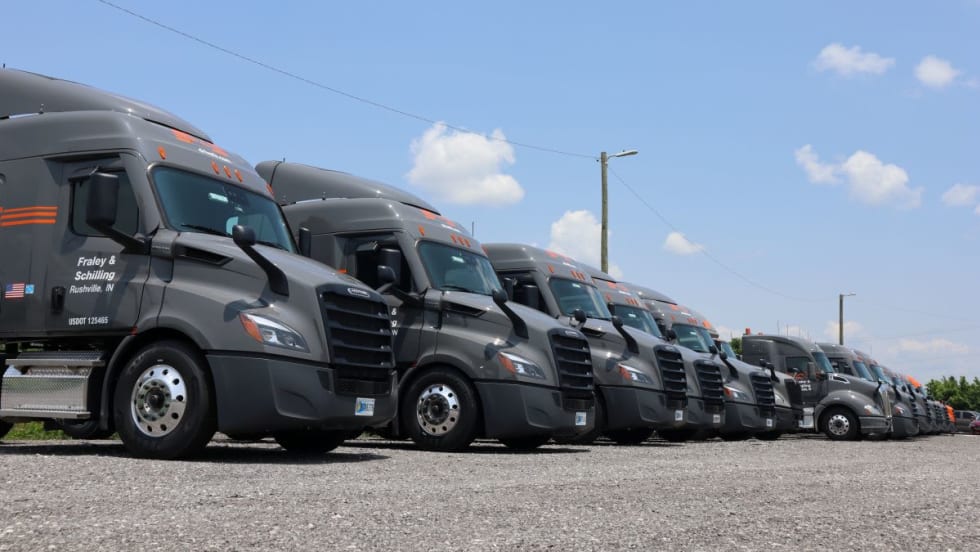
How Fraley & Schilling Improved Logbook Compliance by Over 50%
Fraley & Schilling needed a way to close a compliance workflow gap in its ELD system without adding more work from driver training, reminders, and back-office follow-ups. It found the answer in a custom driver app.
Read More →
Volvo Goes Gaming
Volvo has roared into American Truck Simulator with two new flagship trucks.
Read More →
What the Best Fleets to Drive For Teach About Driver Retention
Survey fatigue, AI-powered routing, owner-operator expectations, and the decline of social media all emerged as themes from this year's Best Fleets to Drive For program.
Read More →
Driver Retention Lessons From the Best Fleets to Drive For
What separates trucking's best workplaces from the rest? Jane Jazrawy shares the biggest lessons from this year's Best Fleets to Drive For program on driver retention, communication, AI, and workforce trends on the HDT Talks Trucking podcast.
Read More →
Farewell, CDL: Why I'm Giving Up My Commercial Driver's License
After more than 20 years as a CDL holder, HDT Executive Editor Jack Roberts is letting his commercial license expire. Not because he wants to — but because trucking's nuclear verdict crisis has made the risks of public-road test drives too great for editors, manufacturers, and everyone involved.
Read More →
How Top Trucking Fleets Improve Driver Retention [Video]
What do healthy snacks, optimized routing, and just picking up the phone have in common? They're all strategies the Best Fleets to Drive For are using to retain truck drivers.
Read More →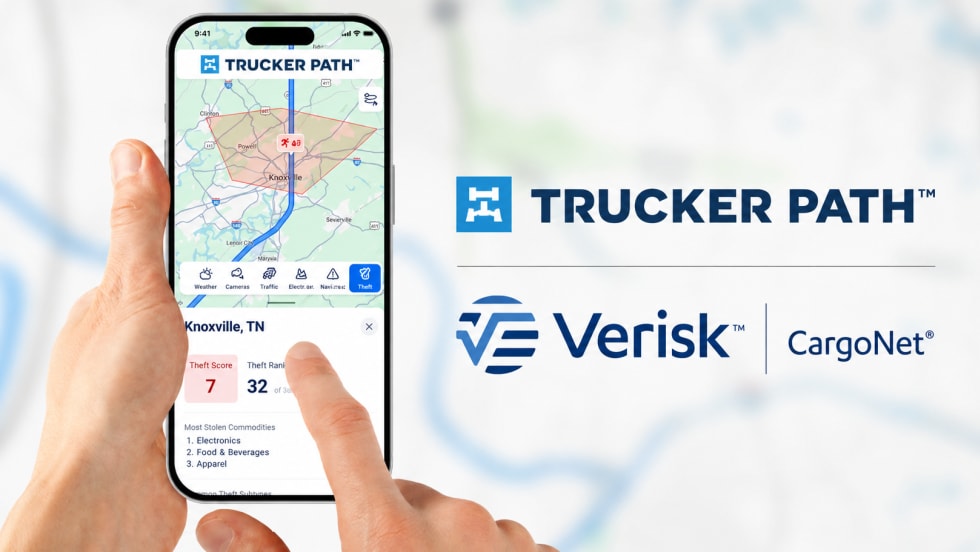
Trucker Path Adds Verisk CargoNet Theft Data to Navigation Platform
Trucker Path’s new cargo theft risk overlays give drivers and fleets visibility into high-risk areas, stolen commodity trends, and theft hotspots.
Read More →
Netradyne Intelligence Uses New AI Agents to Automate Response to In-Cab Camera Data
The company called the next-generation in-cab camera safety platform "a fundamental shift from systems that report on what happened to systems that actively drive what should happen next."
Read More →
Why Truck Detention Keeps Costing Fleets Time and Money
A 2024 ATRI study found detention affects nearly 40% of truckload stops and costs the industry more than $15 billion annually. Despite the toll on drivers, fleets, and supply chains, the problem remains stubbornly persistent.
Read More →