




New Light Truck Fuel Standards to Include Largest SUVs
New fuel economy standards for light trucks will save 10.7 billions of gallons of fuel and include, for the first time ever, the largest sport utility vehicles, Transportation Secretary Norman Y. Mineta announced Wednesday
New fuel economy standards for light trucks will save 10.7 billions of gallons of fuel and include, for the first time ever, the largest sport utility vehicles, Transportation Secretary Norman Y. Mineta announced Wednesday.
The changes to the fuel economy standards represent the second time the Bush Administration has increased the mileage standards for light trucks and the first complete reform of the Corporate Average Fuel Economy (CAFE) program for pickup trucks, sport utility vehicles and minivans since its inception in 1979, Mineta said.
“The new standards represent the most ambitious fuel economy goals for light trucks ever developed in the program’s 27-year history,” Mineta said. “And more importantly, they close loopholes that have long plagued the current system.”
Mineta said the new rules save two billion more gallons of fuel than an earlier proposal released in August, 2005 by including the largest SUVs and strengthening the final miles per gallon target. The new standards also set individual miles-per-gallon goals for all passenger trucks sold in the United States, requiring manufacturers to install fuel-saving technology on all passenger trucks.
In addition, the light truck fuel economy standards will save more than 250 million gallons a year just by including the largest sport utility vehicles on the market today – those that weigh between 8,500 and 10,000 pounds.
Mineta said these large SUVs will be included in the CAFE program starting in 2011, adding that “we worked hard to make sure that no single SUV gets a free pass under these new standards.”
The new fuel economy standards also strengthen the miles-per-gallon target for light trucks, Secretary Mineta said. The light truck targets will increase from 21.6 to 24 miles per gallon, the highest level ever for the program. Mineta added that more was being asked of automakers because they now have to factor in 240,000 of the least efficient SUVs for the first time.
“We took a good, close look at automakers’ plans, examined new technology that is in use or under development – like hybrids and the latest generation of diesel-burning engines – and decided that we could ask more of the manufacturers than we proposed last August,” Mineta said.
He added that the new standards mean that some light trucks will now have to meet a fuel economy target of 28.4 milers per gallon, which is higher than today’s standard for passenger cars.
More Drivers

Samsara Launches Custom AI Agent Builder
Agent Studio lets fleets create AI tools for hours-of-service monitoring, reporting and driver support, including agents that communicate by phone.
Read More →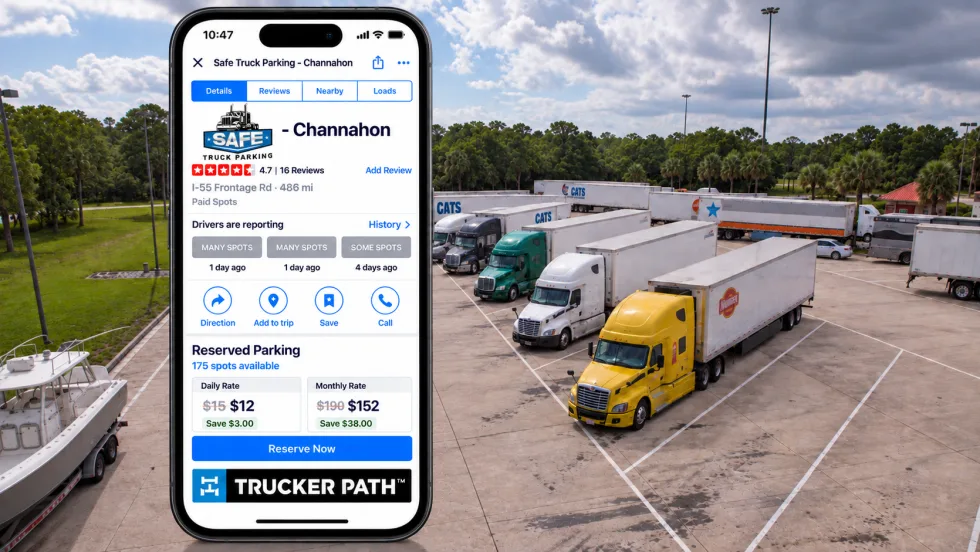
Trucker Path Expands Reserved Parking Network
Trucker Path has added close to 6,000 more truck parking spaces to its Trucker Path Reserved Parking Network with the addition of Safe Truck Parking.
Read More →
EEOC Sues Texas Trucking Company Over Driver Age Limits
The agency says Trancasa USA rejected applicants over 65 and applied tougher driving-record standards to those over 60.
Read More →
Nussbaum, Roehl Announce Second Driver Pay Increase This Year
This year has seen a swath of major truck driver pay increases as freight capacity has tightened.
Read More →
From One Generation to the Next: How Mentorship Builds Safer Truck Drivers
After three decades in trucking, Harold Perry shares what he's learned about driver safety, mentorship, and helping the next generation build confidence behind the wheel.
Read More →
Truck Drivers Need More Than Another Alert
Fleets have more visibility into truck health, safety events, and driver activity than ever. The next challenge is turning all that information into useful guidance for the person who has to decide what to do next.
Read More →
FMCSA Removes 110 Truck Driver Training Schools from Certified ELDT List
Federal regulators also are targeting more than 160 additional training providers and launching a nationwide audit of third-party CDL skills testers as part of a broader crackdown on trucking fraud.
Read More →
Hours of Service Pilot Programs: FMCSA Readies for 2027 Rollout
Two pilot programs could eventually reshape hours-of-service rules, giving truck drivers options to pause their 14-hour clock or use longer split sleeper rest periods.
Read More →
Medical Cards, English Proficiency Reshape Roadcheck Violations
Medical-card violations jumped to the top of the driver out-of-service list during CVSA’s 2026 International Roadcheck, while English-language proficiency violations appeared among the leading violations for the first time.
Read More →
Driver Trust Can Make or Break the Success of Fleet Safety Technology
New Teletrac Navman research suggests that onboarding, transparency about driver data, and positive feedback can play a significant role in how commercial drivers respond to safety and coaching technology.
Read More →