




New Cargo Standards Take Effect Jan. 1
The new standards for cargo securement have been in place since December 2002, and the clock is running out on a Jan. 1 deadline for compliance
The new standards for cargo securement have been in place since December 2002, and the clock is running out on a Jan. 1 deadline for compliance.
The effort to impose stricter rules goes back to 1993, when a number of accidents caused by falling cargo prompted congressional hearings. Through joint meetings with government and industry representatives, the U.S. and Canada came up with a North American Cargo Securement Standard model on which the new rules were based. At the same time, the Federal Motor Carrier Safety Administration has tried to eliminate confusion regarding acceptable cargo securement systems.
A key change that drivers should be aware of is the requirement that they inspect the cargo and securement devices within the first 50 miles of a trip instead of 25 miles previously required. FMCSA said that research concerning cargo vibration indicate that adjustments are more likely to require readjustments between 25 and 50 miles rather than 0 to 25 miles. Securement systems should be re-examined whenever the driver changes duty status and when the vehicle has been driven for three hours or 150 miles.
The rules cover all commercial vehicles, including van trailers, but FMCSA said tie-downs are not required for cargo in van trailers as long as the cargo is properly loaded.
There are more detailed instructions for determining the load limits of securement devices when they aren’t labeled by the manufacturer and for determining how many tie-downs are needed.
The rules establish standards for transporting general freight and standards for specific commodities determined to be the most difficult to secure, including logs, dressed lumber, metal coils, paper rolls, intermodal containers; cars, light trucks and vans; heavy vehicles, equipment and machinery; flattened or crushed cars, roll-on/roll-off containers; and large bounders.
A copy of the rules can be downloaded on the Internet at www.fmcsa.dot.gov. In the Rules & Regulations section look for part 393, subpart I. Inspection requirements are found in 392.9. Printed rules are also available from J.J. Keller & Sons, (800) 327-6868. Driver training programs are available from Keller and from the Commercial Vehicle Safety Alliance, (202) 775-1623.
More Drivers
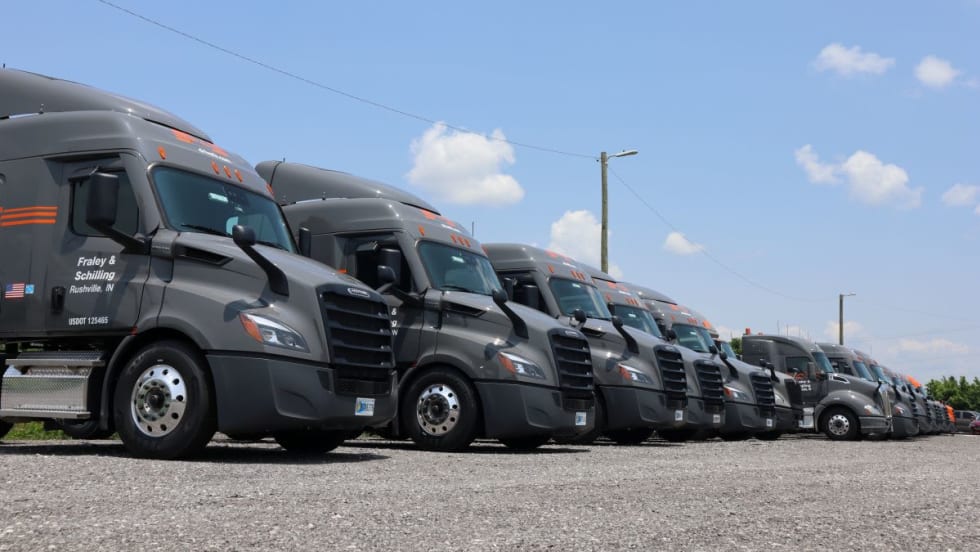
How Fraley & Schilling Improved Logbook Compliance by Over 50%
Fraley & Schilling needed a way to close a compliance workflow gap in its ELD system without adding more work from driver training, reminders, and back-office follow-ups. It found the answer in a custom driver app.
Read More →
Volvo Goes Gaming
Volvo has roared into American Truck Simulator with two new flagship trucks.
Read More →
What the Best Fleets to Drive For Teach About Driver Retention
Survey fatigue, AI-powered routing, owner-operator expectations, and the decline of social media all emerged as themes from this year's Best Fleets to Drive For program.
Read More →
Driver Retention Lessons From the Best Fleets to Drive For
What separates trucking's best workplaces from the rest? Jane Jazrawy shares the biggest lessons from this year's Best Fleets to Drive For program on driver retention, communication, AI, and workforce trends on the HDT Talks Trucking podcast.
Read More →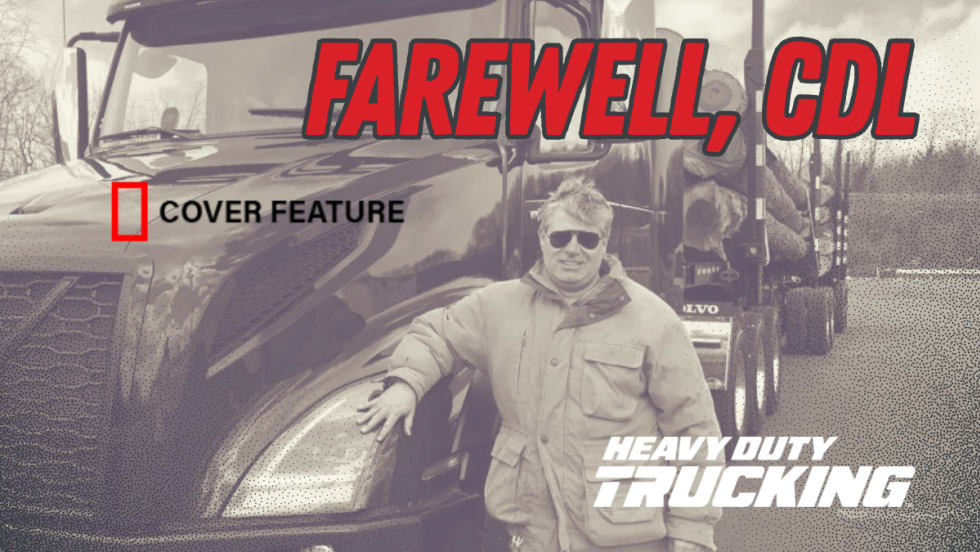
Farewell, CDL: Why I'm Giving Up My Commercial Driver's License
After more than 20 years as a CDL holder, HDT Executive Editor Jack Roberts is letting his commercial license expire. Not because he wants to — but because trucking's nuclear verdict crisis has made the risks of public-road test drives too great for editors, manufacturers, and everyone involved.
Read More →
How Top Trucking Fleets Improve Driver Retention [Video]
What do healthy snacks, optimized routing, and just picking up the phone have in common? They're all strategies the Best Fleets to Drive For are using to retain truck drivers.
Read More →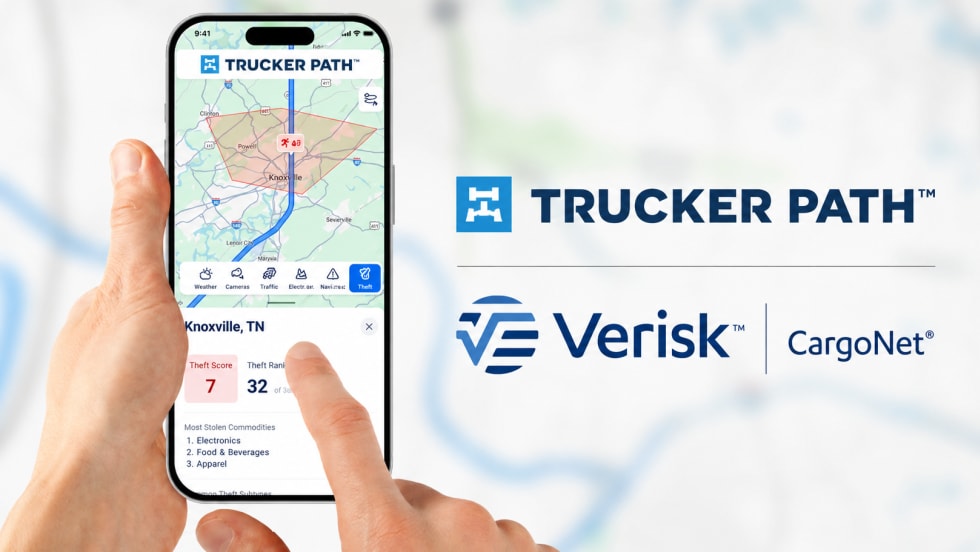
Trucker Path Adds Verisk CargoNet Theft Data to Navigation Platform
Trucker Path’s new cargo theft risk overlays give drivers and fleets visibility into high-risk areas, stolen commodity trends, and theft hotspots.
Read More →
Netradyne Intelligence Uses New AI Agents to Automate Response to In-Cab Camera Data
The company called the next-generation in-cab camera safety platform "a fundamental shift from systems that report on what happened to systems that actively drive what should happen next."
Read More →
Why Truck Detention Keeps Costing Fleets Time and Money
A 2024 ATRI study found detention affects nearly 40% of truckload stops and costs the industry more than $15 billion annually. Despite the toll on drivers, fleets, and supply chains, the problem remains stubbornly persistent.
Read More →
Prime Inc. to Open $7.9M Flagship Used-Truck Dealership
A new driver-focused facility to sell Prime Inc's used trucks and trailers will be the first purpose-built location in the company's history.
Read More →