




Navistar Reports Profits for Third Quarter
Navistar International reported $137 million in profits for its third quarter, compared to a loss of $12 million for the same period a year ago
Navistar International reported $137 million in profits for its third quarter, compared to a loss of $12 million for the same period a year ago.
Net income for the third quarter ended July 31 totaled $137 million. Revenues for the third quarter totaled $3.2 billion. The company says its results were driven by continued advances in its core business, increased military sales and improvements in its cost structure.
"Third-quarter results showed a continuation of the company's ability to be profitable in difficult economic conditions," said Daniel C. Ustian, Navistar chairman, president and chief executive officer. "Beyond strong military sales, we saw improved performance from our core businesses in truck, engine and particularly service parts."
While the company is reducing revenue guidance, primarily as a result of deferring military revenue to fiscal 2011, the company has found other measures to stay within previously anticipated earnings guidance. The company is reaffirming its guidance of $2.75 to $3.25 per diluted share on lower full-year revenue of $12 billion. The North American traditional industry demand is expected between 190,000 to 195,000 units for Navistar's fiscal year ending Oct. 31, 2010, an increase of between 9 percent and 12 percent from fiscal 2009.
For the first nine months of fiscal 2010, net income was $184 million, equal to $2.51 of diluted earnings per share, compared with year-ago nine months net income of $234 million, equal to $3.27 of diluted earnings per share, including the favorable effects from the settlement with Ford of $176 million.
The truck segment realized a profit of $227 million, compared with a year-ago third quarter loss of $28 million. The increase was aided by substantial military sales as part of the company's International MaxxPro Dash Mine Resistant Ambush Protected (MRAP) vehicle and the military commercial off-the-shelf truck programs, improved commercial performance and continued material and manufacturing cost improvements. Commercial units sold in the company's traditional United States and Canada Class 6-8 truck and school bus business increased by 7 percent for the third quarter and 12 percent for the nine-month period, compared with the respective prior year periods.
The engine segment nearly broke even for the third quarter in the face of the ongoing expenses associated with the launch of three families of the company's 2010-compliant engines. In addition, the results were augmented by the 29 percent increase in its South American engine shipments over the year-ago third quarter and the increased ownership of the company's Blue Diamond Parts operations while offset by decreased volumes in North America due to the expiration of the company's contract with Ford. This is compared with a year-ago third quarter profit of $45 million, which was impacted by the Ford settlement and other related charges as the company began to transition from its business with Ford.
The parts segment reported a 2010 third-quarter profit of $52 million, compared with a year-ago profit of $93 million, which was positively impacted by strong MRAP parts volumes. The parts segment continues to deliver profits due to increased volumes in business in North America, partially offsetting the impact of declines in U.S. military sales.
Financial Services - The third-quarter results for the financial services segment have improved as a result of lower borrowing costs and lower selling, general and administrative expenses related to the Navistar Capital alliance. This was the first full quarter under the new Navistar Capital -- the company's alliance with GE Capital -- and it is progressing consistent with expectations.
More Aftermarket

What Three Fleets Are Doing Differently When Buying Truck Parts in 2026
With freight improving but costs still climbing, fleet maintenance executives explain how they're balancing price, quality, and supplier relationships.
Read More →
ConMet Expands Aftermarket Brake Drum Lineup With TruCast
A new heavy-duty truck brake drum option in the aftermarket gives customers more flexibility within the ConMet product family.
Read More →
Phillips Opens High-Tech Distribution Center for Faster Parts Delivery
Phillips Industries’ new Cincinnati-area distribution center is now shipping aftermarket trucking parts nationwide, aiming to speed up delivery times for customers.
Read More →
Volvo to Sponsor America’s Road Team for 2025
Volvo Trucks announced that it is extending its exclusive sponsorship of America’s Road Team for 2025.
Read More →
Webb to Start Taking Orders for UltraSet Pre-Adjusted Wheel Hubs
Webb, which recently acquired the Stemco Trifecta pre-adjusted hub program, will soon start taking orders for its replacement pre-assembled hub, the UltraSet.
Read More →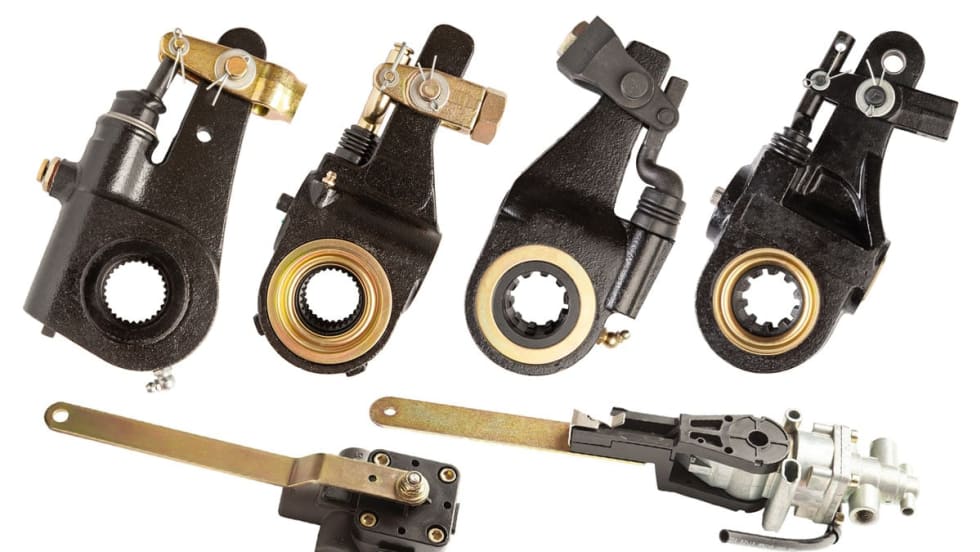
All-Makes Automatic Brake Adjusters, Ride Height Control Valves from Midland
SAF-Holland has added automatic brake adjusters and ride height control valves to its Midland All-Makes Program.
Read More →
ZF Aftermarket Expands [pro]Academy Training
ZF Aftermarket said it is expanding its ZF [pro]Academy training and will be adding 40 new modules this year.
Read More →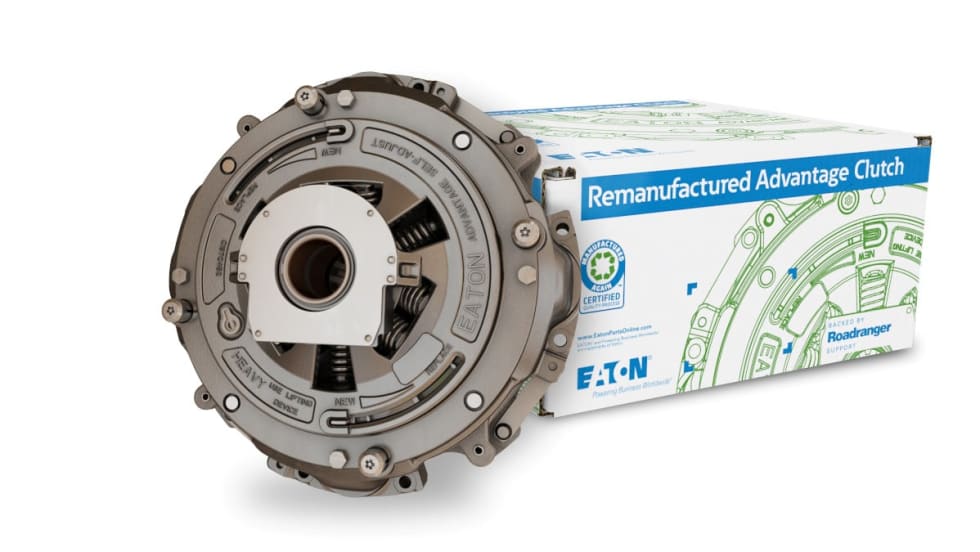
Eaton Adds Remanufactured Advantage Line of Clutches
Eaton has added its Advantage clutches to its remanufactured product line. The clutches feature a unique strap drive intermediate plate designed to allow customers to choose the latest OE specification
Read More →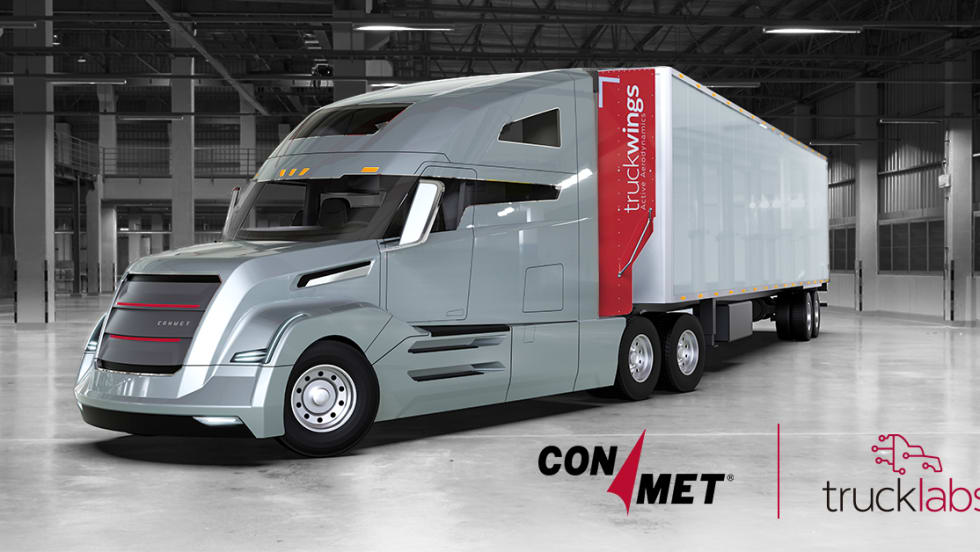
ConMet Acquires TruckLabs, the Creator of TruckWings
Commercial truck and trailer parts provider ConMet acquired TruckLabs, the company that created TruckWings, an aerodynamic device that attaches to truck cabs and deploys to close the gap between truck and trailer. TruckLabs now operates as a subsidiary of ConMet.
Read More →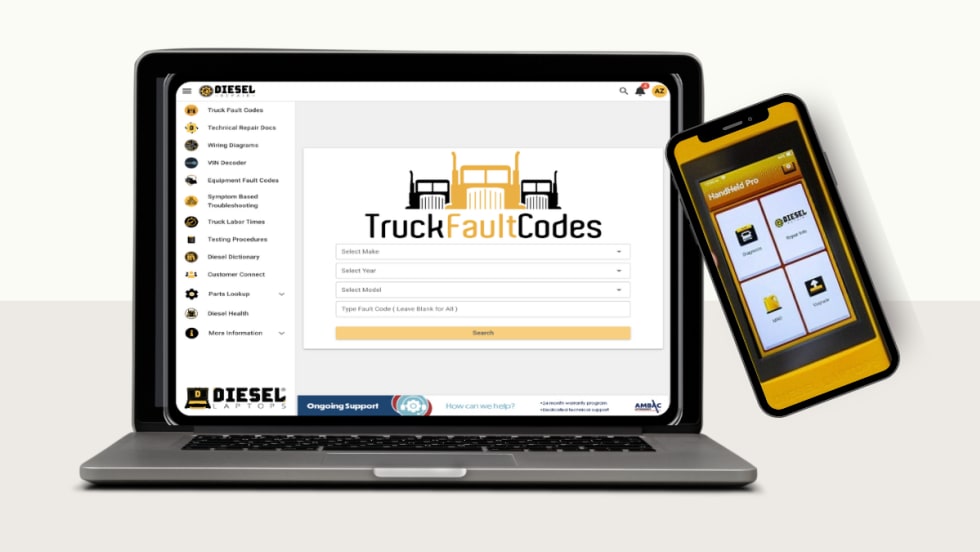
Diesel Laptops Releases Fault-Code-to-Part-Number Tool
Diesel Laptops said its Truck Fault Codes allows users to input a fault code and immediately identify and order the parts needed to complete repair work.
Read More →