




Navistar, Ecomotors International Reach Development Agreement on Groundbreaking Engine Design
Navistar International Corporation today has announced a development agreement with EcoMotors International in support of that company's opoc (Opposed Piston-Opposed Cylinder) engine architecture
Navistar International Corporation today has announced a development agreement with EcoMotors International in support of that company's opoc (Opposed Piston-Opposed Cylinder) engine architecture.
EcoMotors International's first product targeted for commercial application is a turbo-diesel version of the innovative opposed-piston, opposed-cylinder engine.
"We continue to be on the cutting edge of technology and our development agreement with EcoMotors once again demonstrates our commitment to develop new, innovative approaches to the commercial vehicle industry," said Dan Ustian, Navistar chairman, president and chief executive officer. "Our company has a long history of pushing the envelope to deliver state-of-the-art, customer-focused solutions and we see great promise in EcoMotors' breakthrough engine design."
Khosla Ventures' Vinod Khosla, EcoMotors primary investor along with Bill Gates, sees the Navistar-EcoMotors alliance as a reflection of the disruptive nature of the opoc technology.
"We are delighted that Navistar, a global leader in the commercial vehicle industry, has recognized the game-changing promise of opoc," said Khosla. "The only truly disruptive technologies are those that can provide not only rapid payback but also economic and carbon benefits to large segments of the world's population without the need for subsidies or massive infrastructure investments. Among next-generation propulsion systems, the opoc engine is broadly applicable and can provide lower carbon emissions than almost any other technology."
Opposed-Piston Opposed-Cylinder Engine with Modular Displacement Capability
EcoMotors' patented engine design creates a ground-breaking internal combustion engine family architecture that will operate on a number of different fuels, including gasoline, diesel, natural gas and ethanol. The opoc's new opposed piston-opposed cylinder direct gas exchange operation provides the well known emissions benefits of 4-cycle engines, the simplicity benefits of 2-cycle engines, the power density of the less well known opposed piston engine, and the extraordinary developments in electronics and combustion technology all tied together in a new and proprietary engine architecture.
The opoc engine comprises two opposing cylinders per module, with a crankshaft between them-each cylinder has two pistons moving in opposite directions. This innovative design configuration eliminates the cylinder-head and valve-train components of conventional engines, offering an efficient, compact and simple core engine structure. The result is an engine family that is lighter, more efficient and economical, with lower exhaust emissions.
Click on the video frame below to see how it works.
EcoMotors' opoc engine is said to offer a number of distinct advantages over traditional internal combustion engines. It has very high power density of nearly one horsepower per pound resulting in an unprecedented lightweight and compact engine. It is perfectly balanced enabling stackable power modules. This unique modular displacement capability is one of the long standing, but elusive goals of engine engineers' quest for high efficiency. In addition, it also results in much less NVH than a conventional engine of comparable power.
It's elegantly simple design allows for low cost, efficient manufacturing and increased operating durability:
* 50 percent fewer parts than a conventional engine
* Straightforward assembly
* No cylinder heads or valve-train
* Uses conventional components, materials and processes
High Power Density and More
The internal combustion piston engine has been the primary means of automotive propulsion for more than a century. Today, thousands of engineers around the world are working to improve this 19th century invention. Some are striving to make incremental gains; some are hoping for a breakthrough. For all of them, one measuring stick is the "acid test" for any engine -- power density. As greater power density is achieved, a range of critically important attributes will result, including lower weight, smaller size, lower material costs, greater fuel efficiency, lower heat rejection, and lower emissions.
EcoMotors' intellectual property also includes an electrically controlled turbocharger technology which incorporates an electric motor in the turbo assembly to regulate boost pressure resulting in improved combustion efficiency, electrically controlled variable compression ratio, enhanced vehicle drivability due to improved low-end torque, waste heat recovery by generating electricity.
Additionally, new developments in clutch technology enable customers to take advantage of the engine's modular displacement capability. The clutch assembly is housed between two engine modules, and is engaged when vehicle power demands require both modules to deliver power. When the power of the second module is not needed, the clutch is disengaged, allowing the second engine to stop completely. This not only improves fuel economy dramatically by reducing parasitic losses, but also improves the efficiency of the primary module.
Watch our Engine Smarts column for an in depth report on this radical new engine technology, by Rolf Lockwood.
More info: www.navistar.com
More info: www.ecomotors.com
More Aftermarket
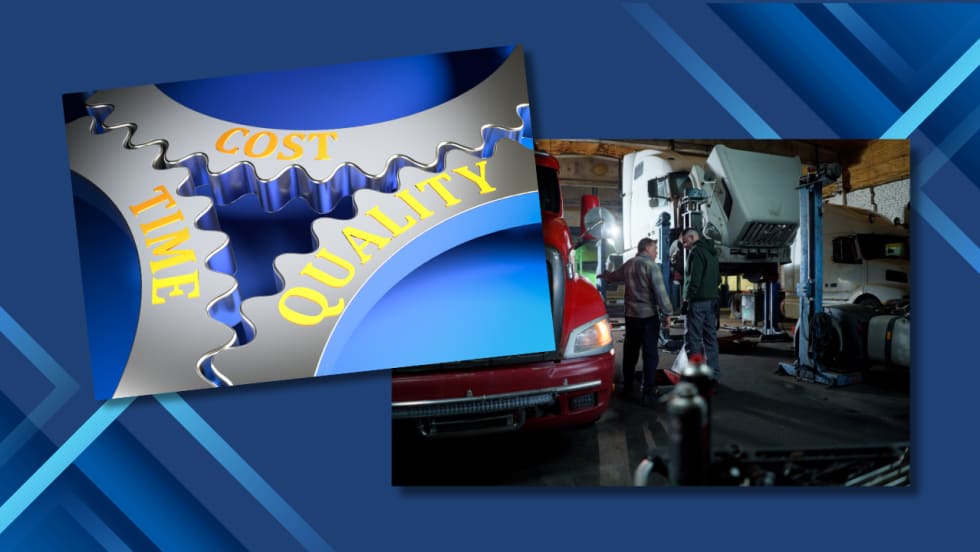
What Three Fleets Are Doing Differently When Buying Truck Parts in 2026
With freight improving but costs still climbing, fleet maintenance executives explain how they're balancing price, quality, and supplier relationships.
Read More →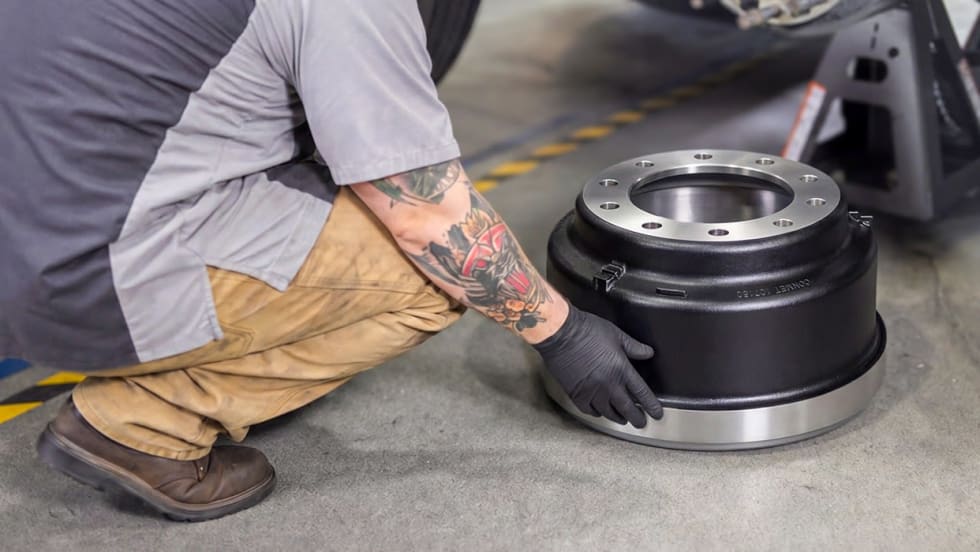
ConMet Expands Aftermarket Brake Drum Lineup With TruCast
A new heavy-duty truck brake drum option in the aftermarket gives customers more flexibility within the ConMet product family.
Read More →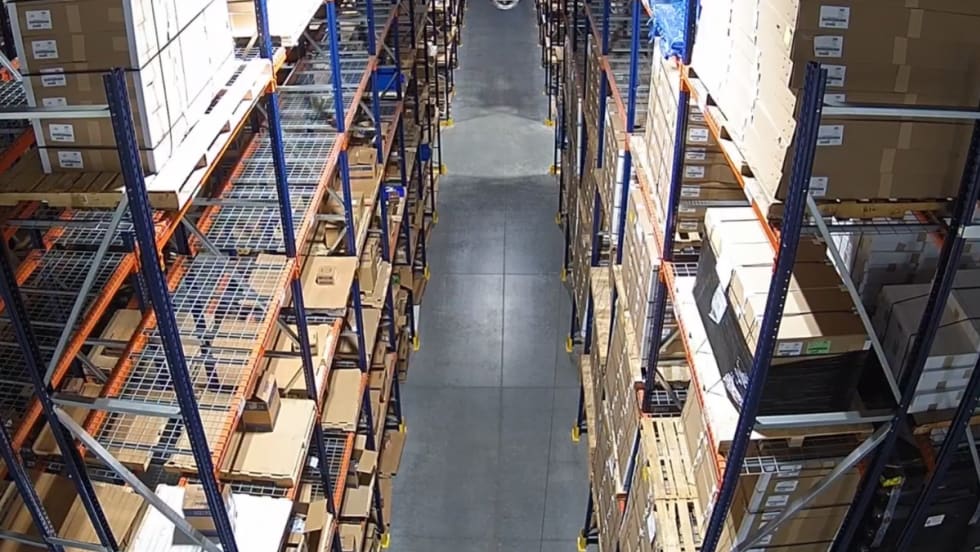
Phillips Opens High-Tech Distribution Center for Faster Parts Delivery
Phillips Industries’ new Cincinnati-area distribution center is now shipping aftermarket trucking parts nationwide, aiming to speed up delivery times for customers.
Read More →
Volvo to Sponsor America’s Road Team for 2025
Volvo Trucks announced that it is extending its exclusive sponsorship of America’s Road Team for 2025.
Read More →
Webb to Start Taking Orders for UltraSet Pre-Adjusted Wheel Hubs
Webb, which recently acquired the Stemco Trifecta pre-adjusted hub program, will soon start taking orders for its replacement pre-assembled hub, the UltraSet.
Read More →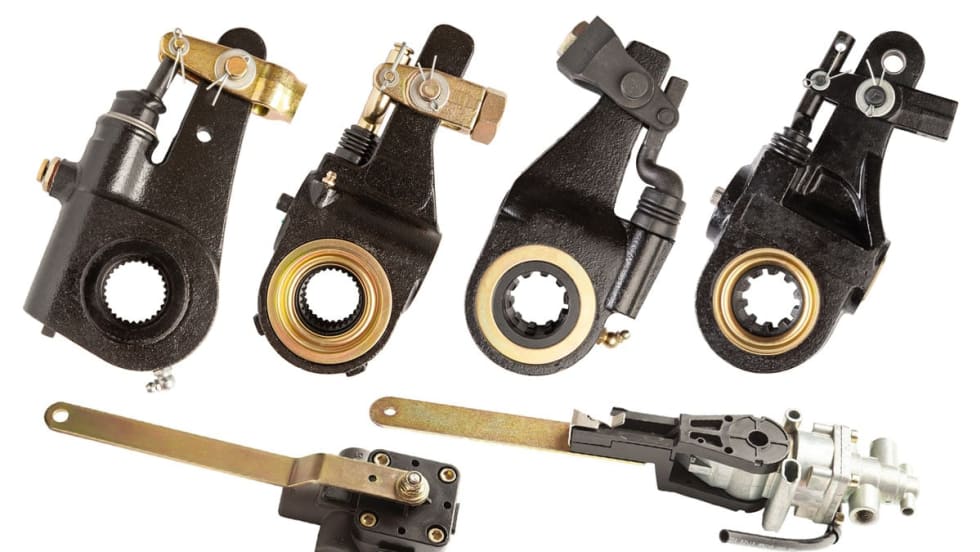
All-Makes Automatic Brake Adjusters, Ride Height Control Valves from Midland
SAF-Holland has added automatic brake adjusters and ride height control valves to its Midland All-Makes Program.
Read More →
ZF Aftermarket Expands [pro]Academy Training
ZF Aftermarket said it is expanding its ZF [pro]Academy training and will be adding 40 new modules this year.
Read More →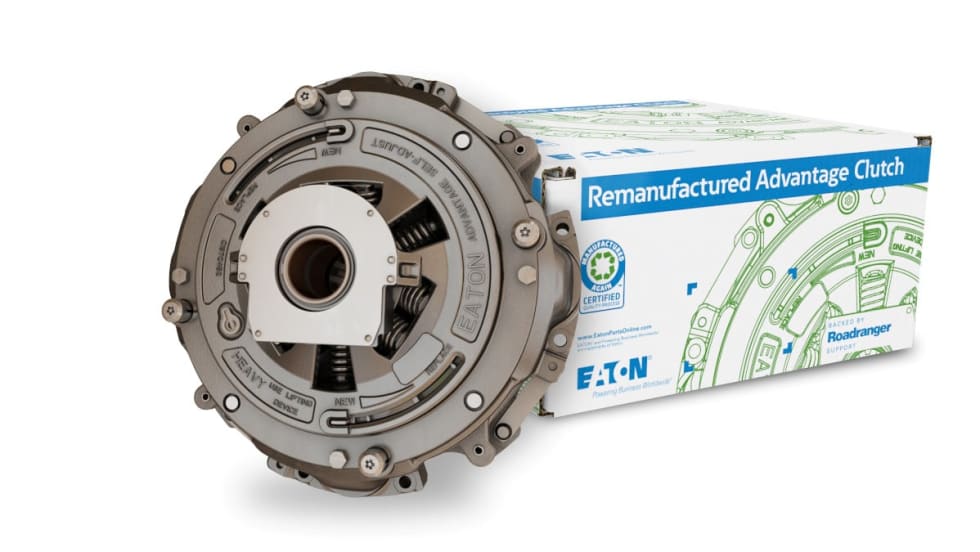
Eaton Adds Remanufactured Advantage Line of Clutches
Eaton has added its Advantage clutches to its remanufactured product line. The clutches feature a unique strap drive intermediate plate designed to allow customers to choose the latest OE specification
Read More →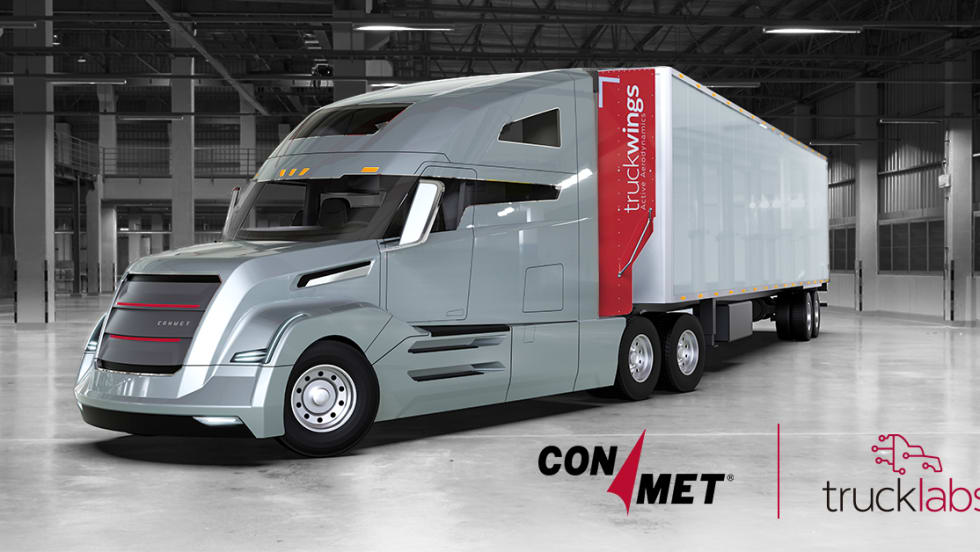
ConMet Acquires TruckLabs, the Creator of TruckWings
Commercial truck and trailer parts provider ConMet acquired TruckLabs, the company that created TruckWings, an aerodynamic device that attaches to truck cabs and deploys to close the gap between truck and trailer. TruckLabs now operates as a subsidiary of ConMet.
Read More →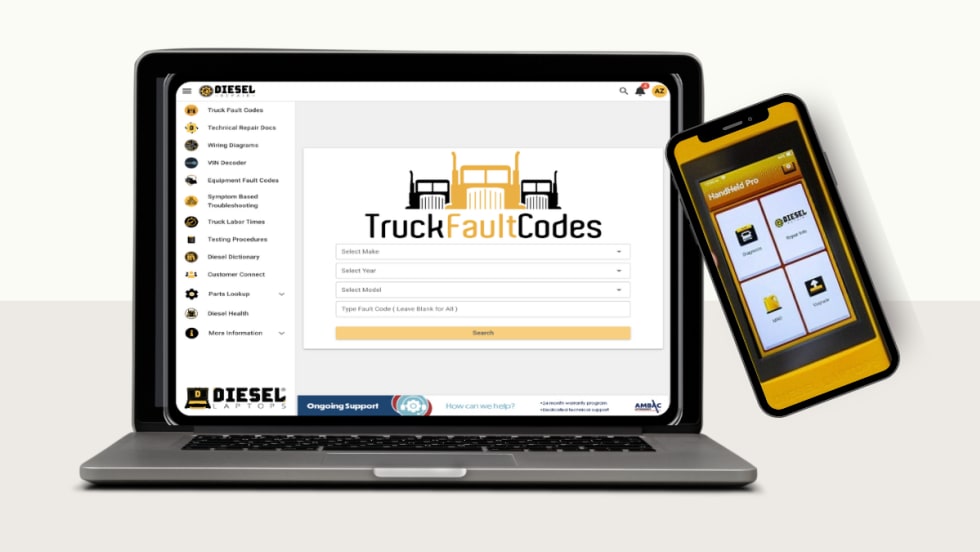
Diesel Laptops Releases Fault-Code-to-Part-Number Tool
Diesel Laptops said its Truck Fault Codes allows users to input a fault code and immediately identify and order the parts needed to complete repair work.
Read More →