




Navistar and In-Charge Energy Offer Carbon-Neutral EV Charging
In-Charge Energy's software platform automates collection of electric vehicle charging information and calculates the carbon impact of fueling.
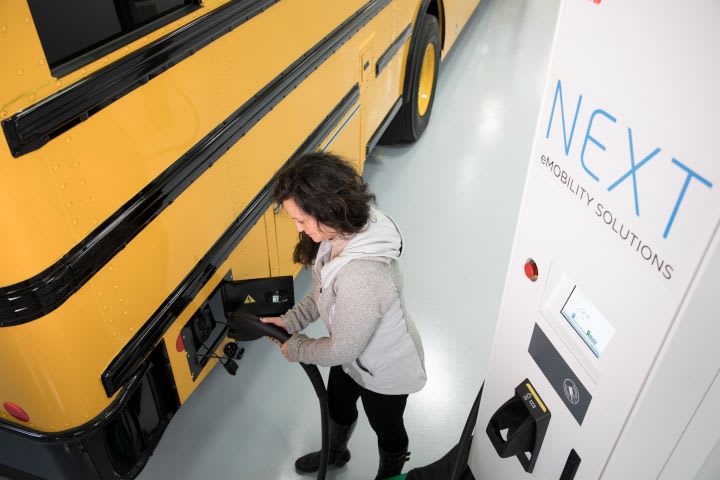
Using Low Carbon Fuel Standard (LCFS) credits or Carbon-Free Credits, customers can offset a fleet's carbon emissions.
Photo courtesy Navistar
NaviStar, manufacturer of IC Bus school buses and International brand commercial trucks and engines, is working with In-Charge Energy to power electric vehicle fleet customers with carbon-neutral electricity through their turnkey EV charging infrastructure.
“As an increasing number of customers are exploring, investing in, and adopting electric powertrains for buses and trucks, they have questions about where the electricity comes from,” said Jason Gies, Navistar’s vice president of eMobility business development. “Through this offering, we can proudly tell our customers and their community stakeholders that their entire fleet can be entirely clean energy, no matter where the fleet operates.”
In-Charge Energy’s fleet-focused In-Control software platform automates the process of collecting EV-charging energy information and with a single click calculates the carbon impact of fueling. The company has entered into contracts for Renewable Energy Credits (RECs) to convert energy consumed by fleets to 100 percent renewable sources.
In California, Oregon, and British Columbia, Canada, most companies can earn Low Carbon Fuel Standard (LCFS) credits when they charge their vehicles. The partnership of Navistar and In-Charge allows fleet managers to focus on managing fleets while In-Control manages the LCFS credit generation and credits on energy markets for cash.
In other parts of the United States and Canada, In-Charge customers have the option to buy In-Charge Carbon-Free Credits, which offsets a fleet’s carbon emissions. With these credits, In-Charge and Navistar customers can buy verified clean, renewable energy to reduce the environmental impact of their electricity use for EV charging, with the goal of complete carbon neutrality.
“We have assembled the most experienced team in North America for fleet electrification, and the team is making it easier for fleets to maximize the cost savings and environmental benefits of electrification,” said Terry O’Day, chief operating officer for In-Charge Energy. “We’re in this business to improve our footprint and make fleets successful.”
According to the U.S. Environmental Protection Agency, the nation’s largest source of all greenhouse gas emissions is transportation. The largest sources of transportation-related carbon emissions come from passenger cars, medium- and heavy-duty trucks, and light-duty trucks, including sport utility vehicles, pickup trucks, and minivans, accounting for more than half the emissions from the transportation sector.
Originally posted on School Bus Fleet
More Fuel Smarts
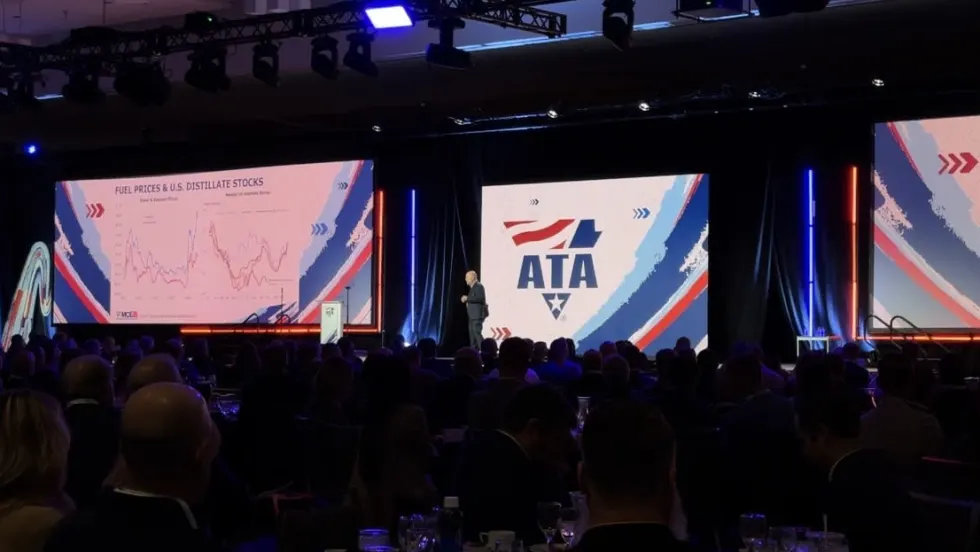
Trucking’s Diesel Squeeze Isn’t Letting Up
With diesel topping $6 a gallon nationally, ATA's Bob Costello explains why fleets should prepare for continued pressure at the pump.
Read More →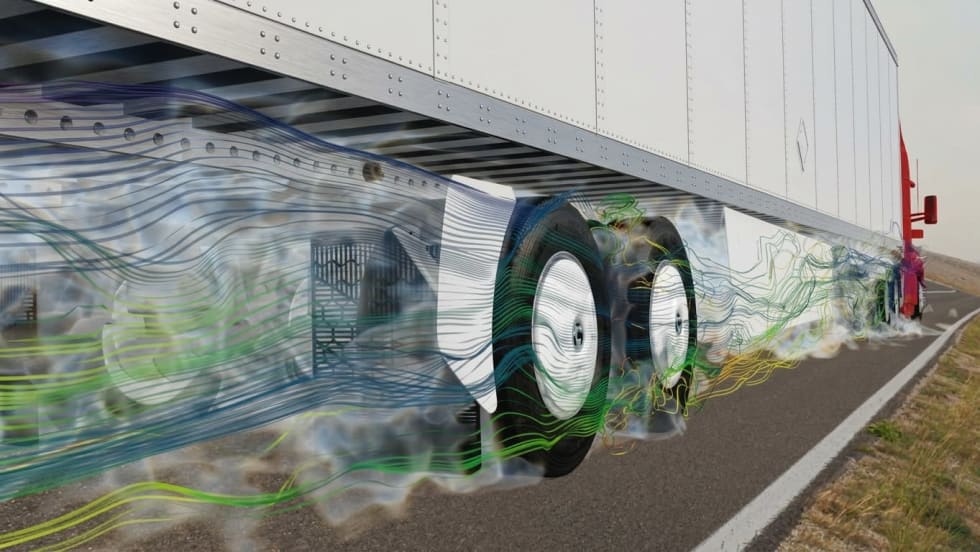
FlowBelow Redesigns Trailer AeroSlider to Cut Fuel Use
The lighter trailer aerodynamic system installs in less than 45 minutes, according to the company, with potential payback in under a year depending on fuel prices and trailer mileage.
Read More →
Why Diesel Price Relief Efforts May Fall Short
Diesel prices have eased from September’s record high, but doubts about additional Russian supply and limits on dyed-diesel tax relief mean trucking fleets still face expensive fuel. And prices could go higher.
Read More →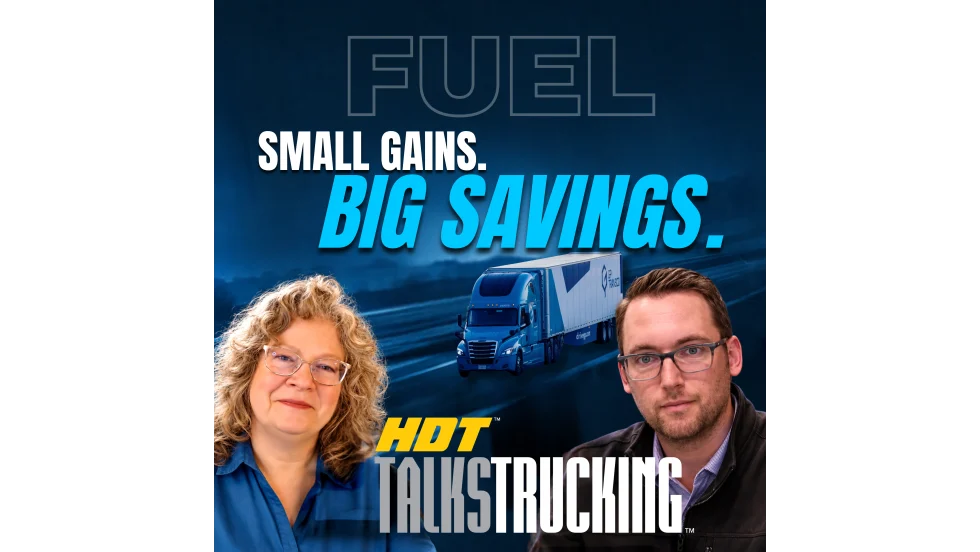
Why Small Fuel Savings Matter in Trucking
Can better fuel economy help pay for driver raises? In this podcast, GP Transco explains how small efficiency gains create room to reinvest in its people.
Read More →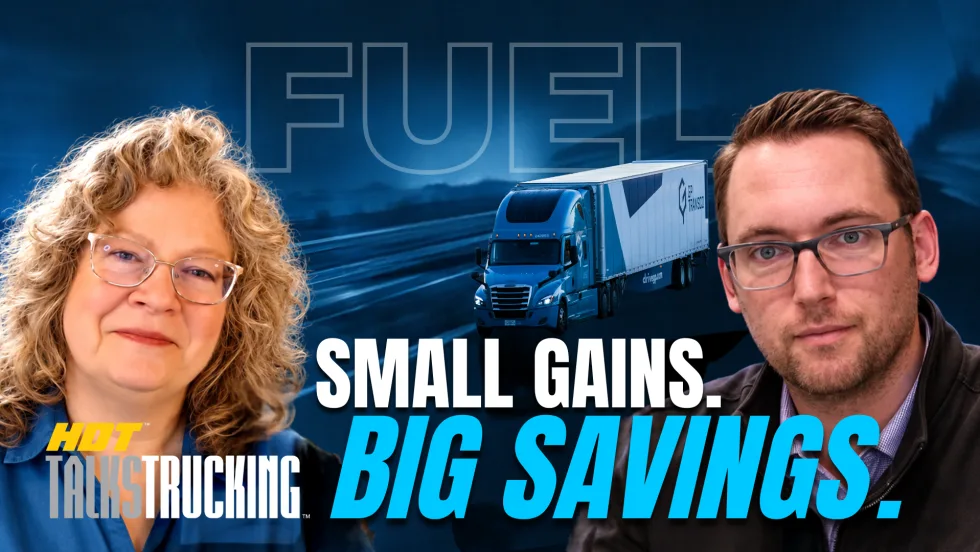
How GP Transco Cuts Trucking Fuel Costs, a Tenth of a Gallon at a Time
What’s another tenth of a mile per gallon worth? GP Transco shares how equipment upgrades and driver coaching turn small gains into meaningful fuel savings.
Read More →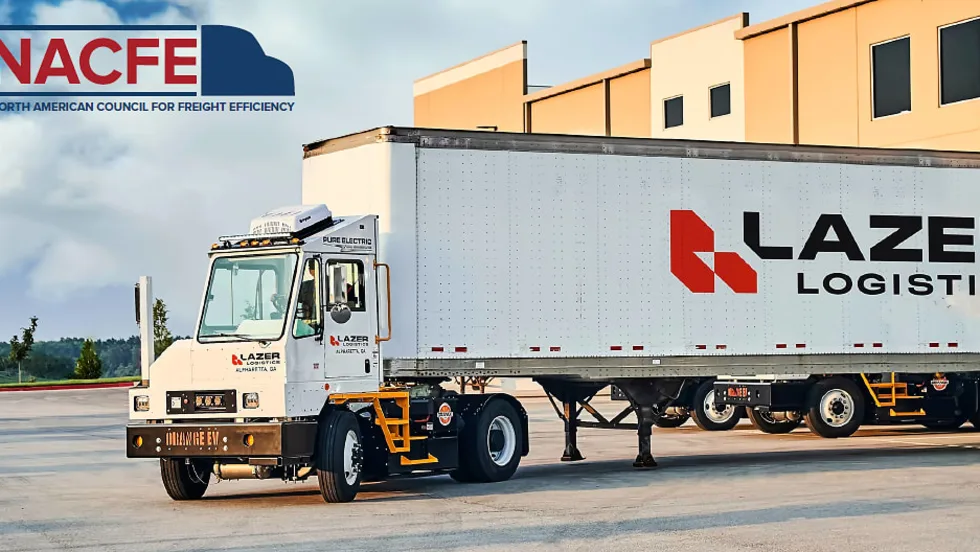
Electric Yard Tractors Move Beyond Pilots
Operating-cost savings have overtaken sustainability goals as the leading reason surveyed fleets are adopting battery-electric terminal tractors, according to new NACFE research.
Read More →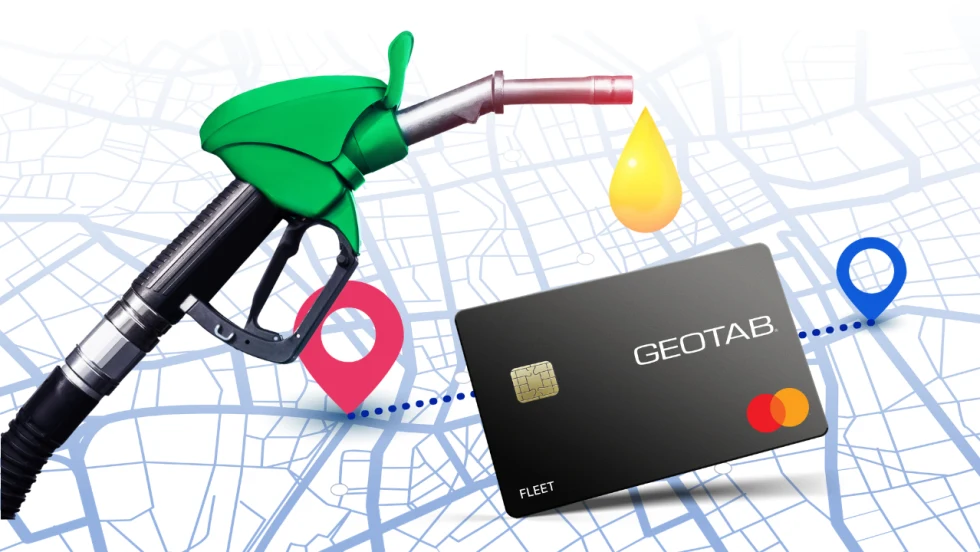
Geotab Links Fleet Card to Vehicle Data
The new card combines fuel discounts with telematics-based purchase controls. Geotab’s analysis also points to potential savings from choosing lower-priced fuel stops.
Read More →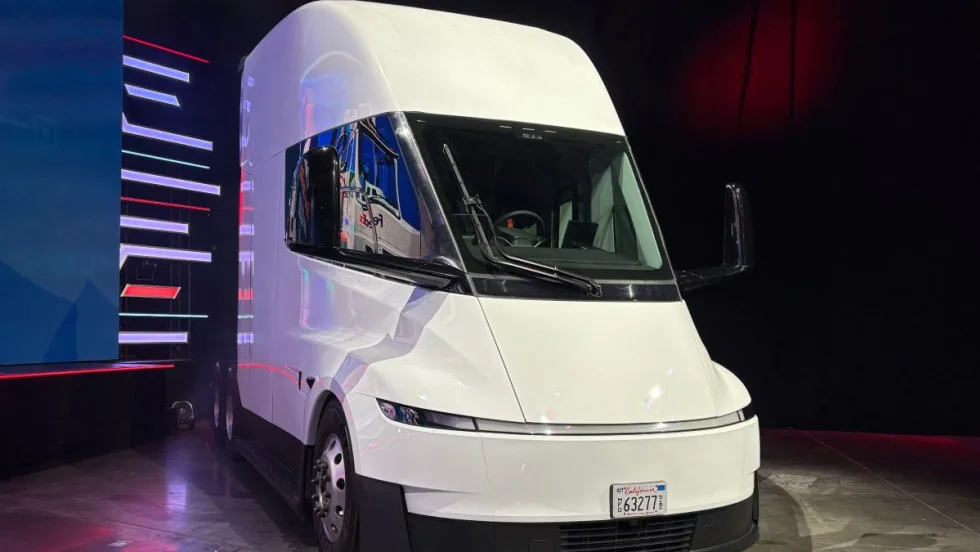
Fleet Economics Shape Electric Truck Outlook
ACT Research expects costs, charging infrastructure, and technology improvements to drive zero-emission commercial vehicle adoption as federal regulations and incentives retreat.
Read More →
Wex Adds Cardless Fuel Payments for Over-the-Road Customers
A new fuel card feature for Wex customers offers convenience and security.
Read More →
New California Law Could Shed Light on Electric Truck Prices
Why do battery-electric Class 8 trucks remain so expensive? A California bill signed by Gov. Gavin Newsom would give fleets and state agencies more visibility into what manufacturers charge.
Read More →