




Natural Gas Support a Mixed Bag, Study Says
Natural gas in the trucking industry has a high level of awareness, but carriers still recognize obstacles, says a new study from PLS Logistics Services
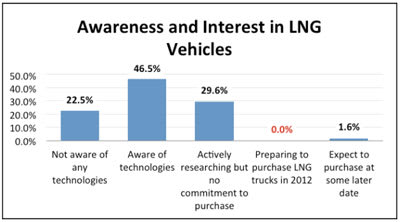
Natural gas in the trucking industry has a high level of awareness, but carriers still recognize obstacles, says a new study from PLS Logistics Services.
"The survey results appear to be a mixed bag for natural gas supporters," says PLS Chairman and CEO Greg Burns. "On the one hand, LNG (liquified natural gas) is clearly on the radar and is being actively evaluated by some of the largest trucking companies in the industrial sector. On the other hand, less than 10% of senior executives currently believe LNG will be widely adopted of over-the-road trucking."
To determine the potential of LNG vehicle use for industrial freight (any type of heavy load for the industrial manufacturing sector, including industries such as metals, oil and gas, mining, building/construction materials and automotive), PLS Logistics surveyed senior executives at 100 industrial freight carriers. Most carriers surveyed had a fleet size over 50 power units.
Although respondents were generally aware of LNG-powered vehicles, 72% felt that the technology had limited adoption potential for industrial freight.
Survey results also indicated that carriers are under no pressure from customers to move toward cleaner LNG vehicles. Just 3% of carriers say that their customers are actively promoting adoption by their carrier base.
With predicted adoption rates low, survey respondents were asked about the primary barriers to adoption. Topping the list, at 53.6%, was the inadequacy of the LNG refueling infrastructure. As of February 2012, there were just 46 public LNG stations across the U.S., according to the U.S. Department of Energy.
Clean Energy Fuels has raised $450 million and plans to build 150 LNG stations along what it calls "America's natural gas highway" - a pre-defined corridor of heavy volume freight traffic. The goal of the project, done in partnership with Pilot Flying J travel centers, is to establish stations 250-300 miles apart.
The next biggest barrier to adoption (23.2%) was the higher cost of LNG vehicles, currently $30,000-$50,000 more than diesel.
Incentives are being discussed to mitigate this increased capital expense. In January, Clean Energy and Navistar announced a partnership to provide leases that effectively eliminate the equipment cost differential if the carrier signs a long-term fuel agreement with Clean Energy. The fuel would be purchased at a guaranteed minimum discount to diesel.
Currently, there are bills in both the House and Senate that promote tax incentives for the purchase of LNG vehicles, and President Obama has announced his support for the legislation.
The U.S. is producing natural gas at record rates. Production from shale alone is expected to increase 41% by 2020. This supply increase, combined with lower demand due to the warm winter in 2012, has driven natural gas prices to a 10-year low.
More Drivers

When Language Stops the Truck: The Return of ELP Out-of-Service Orders
English language proficiency rules for commercial drivers aren’t new, but renewed out-of-service enforcement has raised the stakes. Here’s what carriers need to know before a driver reaches a roadside inspection.
Read More →
Samsara Launches Custom AI Agent Builder
Agent Studio lets fleets create AI tools for hours-of-service monitoring, reporting and driver support, including agents that communicate by phone.
Read More →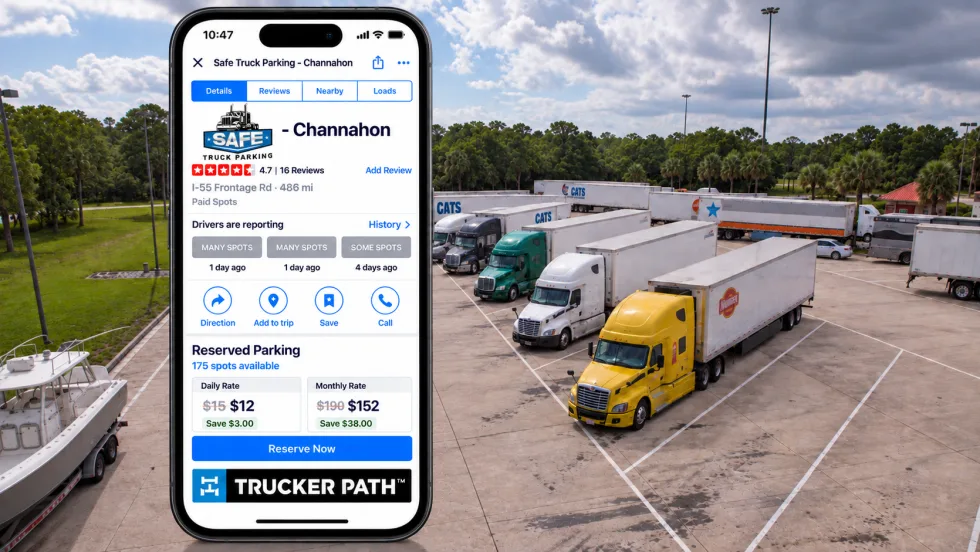
Trucker Path Expands Reserved Parking Network
Trucker Path has added close to 6,000 more truck parking spaces to its Trucker Path Reserved Parking Network with the addition of Safe Truck Parking.
Read More →
EEOC Sues Texas Trucking Company Over Driver Age Limits
The agency says Trancasa USA rejected applicants over 65 and applied tougher driving-record standards to those over 60.
Read More →
Nussbaum, Roehl Announce Second Driver Pay Increase This Year
This year has seen a swath of major truck driver pay increases as freight capacity has tightened.
Read More →
From One Generation to the Next: How Mentorship Builds Safer Truck Drivers
After three decades in trucking, Harold Perry shares what he's learned about driver safety, mentorship, and helping the next generation build confidence behind the wheel.
Read More →
Truck Drivers Need More Than Another Alert
Fleets have more visibility into truck health, safety events, and driver activity than ever. The next challenge is turning all that information into useful guidance for the person who has to decide what to do next.
Read More →
FMCSA Removes 110 Truck Driver Training Schools from Certified ELDT List
Federal regulators also are targeting more than 160 additional training providers and launching a nationwide audit of third-party CDL skills testers as part of a broader crackdown on trucking fraud.
Read More →
Hours of Service Pilot Programs: FMCSA Readies for 2027 Rollout
Two pilot programs could eventually reshape hours-of-service rules, giving truck drivers options to pause their 14-hour clock or use longer split sleeper rest periods.
Read More →
Medical Cards, English Proficiency Reshape Roadcheck Violations
Medical-card violations jumped to the top of the driver out-of-service list during CVSA’s 2026 International Roadcheck, while English-language proficiency violations appeared among the leading violations for the first time.
Read More →