




NACFE Issues Electric Charging Infrastructure Guidance Report
The North American Council for Freight Efficiency released a Guidance Report detailing what fleets can expect in the near term future as an effective charging infrastructure for electric trucks begins to take shape.

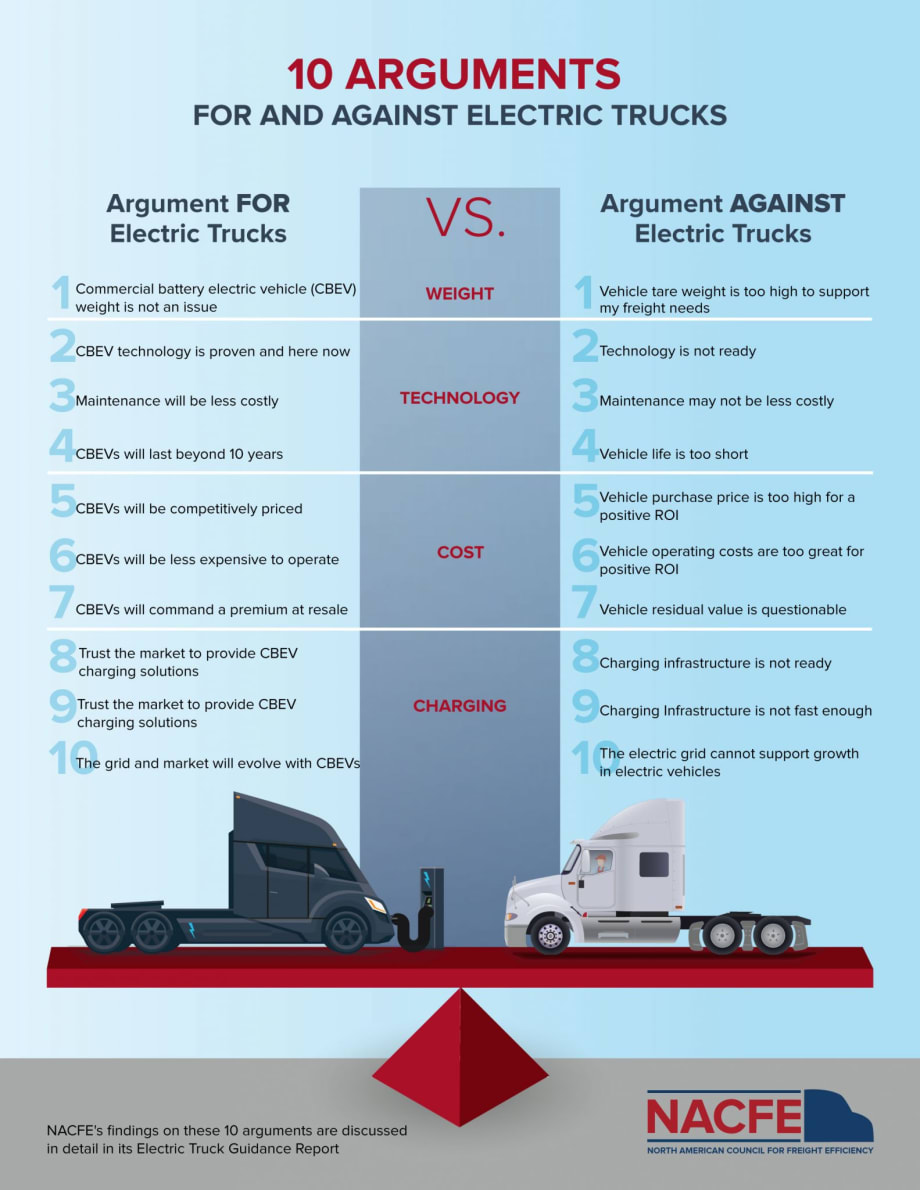
It's important to remember that utility companies are excited about the prospect of electric trucks and will usually be happy to work with fleets as they prepare to set up charging facilities and power grids to handle these vehicles.
Photo: NACFE
The North American Council for Freight Efficiency (NACFE) has issued a Guidance Report detailing the current and likely short-term future of a comprehensive charging network for electric trucks. This is the the 30th report issued by the group, and its third Guidance Report that looks specifically at emerging technologies in the trucking industry.
NACFE is a non-profit organization that seeks to help North American trucking fleets deploy new technologies that help reduce the use of fossil fuels while boosting productivity and profitability.
Mike Roeth, NACFE’s executive director, noted that the future is coming fast in regard to electric trucks. However, he noted, that since it appears that the initial deployment of these vehicles will be in medium-duty applications, its latest Guidance Report will focus on charging and infrastructure considerations for those vehicles. NACFE will turn its attention to infrastructure and charging requirements for heavy duty/long-haul battery electric trucks at a later date.
The report was created with the help of the Rocky Mountain Institute, another non—profit group that is dedicated to creating a sustainable, global, green energy infrastructure. Jessie Lund, an associate specializing in freight and transportation issues with the group, said that NACFE has determined that when thinking about a future charging infrastructure for electric trucks, fleets must plan for three separate but related components: hardware, software/networking and maintenance.
The hardware component consists of electric vehicle supply equipment (EVSE), also known as charging stations, which charge the batteries of electric vehicles. The most common type of EVSE is a plug-in charging station. At this point, charging station connectors are not standardized and there are a number of competing connector types.
EVSE offer two charging speeds that work for commercial vehicles: Level 2, which requires installation of charging equipment and a dedicated circuit of 20 to 100 amps, and DC fast charging, which requires installation of charging equipment and a dedicated circuit.
Wireless and conductive charging systems are also available, though much less popular except in some niche markets.
Roeth noted that the most common – and yet crucial -- piece of technology for electric truck fleets is charging software. “This technology is really a key enabler that allows fleets to easily and cost-effectively managing fleet charging operations,” Roeth stressed. “And it is also the main differentiator between EVSE provider companies. For example, software is what allows multiple chargers on-site to be able to communicate with one another to optimize sequencing, load management, and variable time-of-day electricity rates and other factors that ensure that a fleet is charging smartly.”
Charging companies may offer very different maintenance packages, Roeth added. These may include services such as proactive monitoring and repair of equipment if needed. And Roeth stressed that fleets shouldn’t be shy about reaching out to local utility companies as they begin planning for electric truck deployments. “One thing to remember as you go through this process is that utilities want to see electric truck charging become a reality,” he said. “It may be because they have state or local environmental goals they need to meet. Or it might be a simple desire to increase the sale of electricity. So don’t be shy about reaching out to your local utility and telling them what you need and working with them to make those desires reality.”
Looking at the state of electric infrastructure today, Roeth said NACFE determined that initially, the power grid for charging electric trucks will be focused on private, “depot,” or “return-to-base” charging facilities and capabilities. Additionally, he said, fleets should consider the following factors as they prepare to deploy electric trucks in medium-duty applications:
Planning and permitting can be time-intensive and should begin immediately to get ahead of the curve in terms of vehicle deployment and charging requirements.
Fleets should work closely with local utilities, regulators, cities, neighbors, OEMs, and charging system providers.
Fleets must develop a fairly sophisticated understanding of their existing electric infrastructure and demand, their electricity rates, and the types, number, duty cycles, and time available for charging of their vehicles.
Planning should be done on a site-by-site basis.
Programs to mitigate costs will speed the electrification process.
Fleets should consider investing in smart networked charging software and services.
Fleets should demand improvements from technology providers and utilities.
Fleets should not draw rash conclusions in the first year of operation.
Lund also noted that Fleets, as well as utilities, regulators, and technology providers, are constantly learning and developing in this rapidly evolving space. Additionally, innovative utility programs and rate structures are allowing commercial battery electric vehicles to charge successfully and economically in growing areas of the country. However, to scale electric vehicle adoption across the nation, much broader and faster design and approval of these sorts of programs by utilities and regulators is needed.
Although NACFE found that the charging infrastructure in North America is clearly not sufficient today to handle the large-scale deployment of electric cars and trucks, Roeth said that establishing a capable electric grid for these vehicles is not an insurmountable problem. “The lag between product introduction and infrastructure investment has been repeated many times,” he noted. “And there’s no reason to think it won’t be repeated for commercial battery electric vehicle charging infrastructure as well.”
More Fleet Management
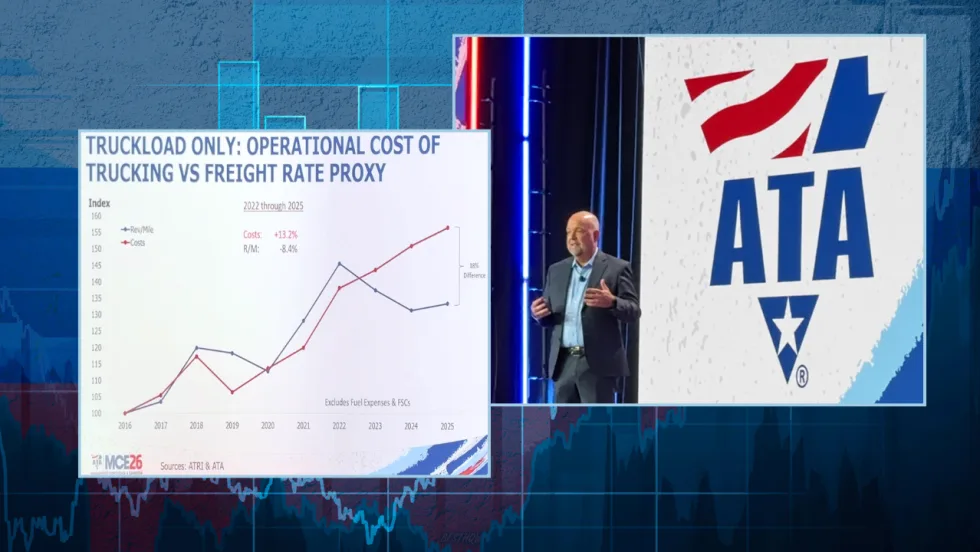
Why This Trucking Recovery Is Different
Freight demand remains sluggish, but rising costs and tougher enforcement have taken enough capacity out of the market to change the outlook for motor carriers.
Read More →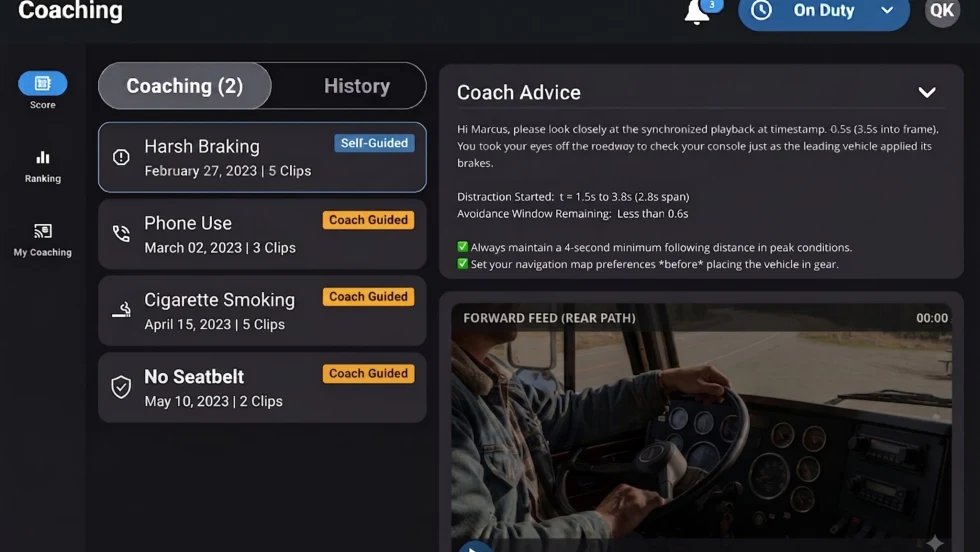
Platform Science Adds Dispatch and Safety Tools
Four additions to PS Fleet help fleets monitor loads, manage driver coaching, share truck locations and adjust video system settings.
Read More →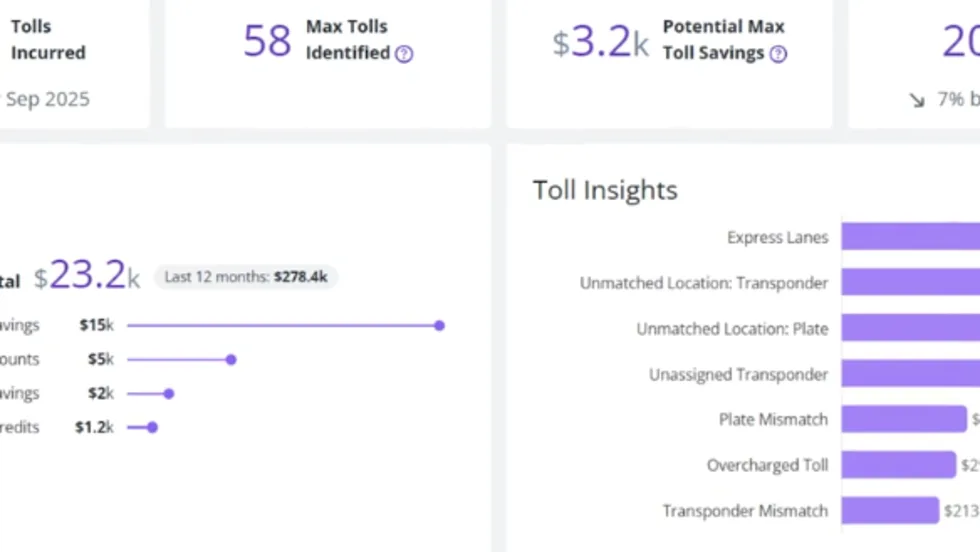
PrePass Intelligence Mines Fleet Bypass, Toll and Safety Data
PrePass Intelligence helps fleets measure bypass savings, flag potential toll overcharges, and spot suspicious transactions by combining data from separate systems.
Read More →
Motive Adds AI Agents for Fleet Operations
New tools automate follow-up on fleet data, from maintenance work orders to driver alerts, with two-way voice conversations planned for later this year.
Read More →
Can You Beat Our Trucking Trivia Challenge?
Test your truck knowledge with 19 trivia questions from Heavy Duty Trucking Exchange. Can you keep up with the fleet pros?
Read More →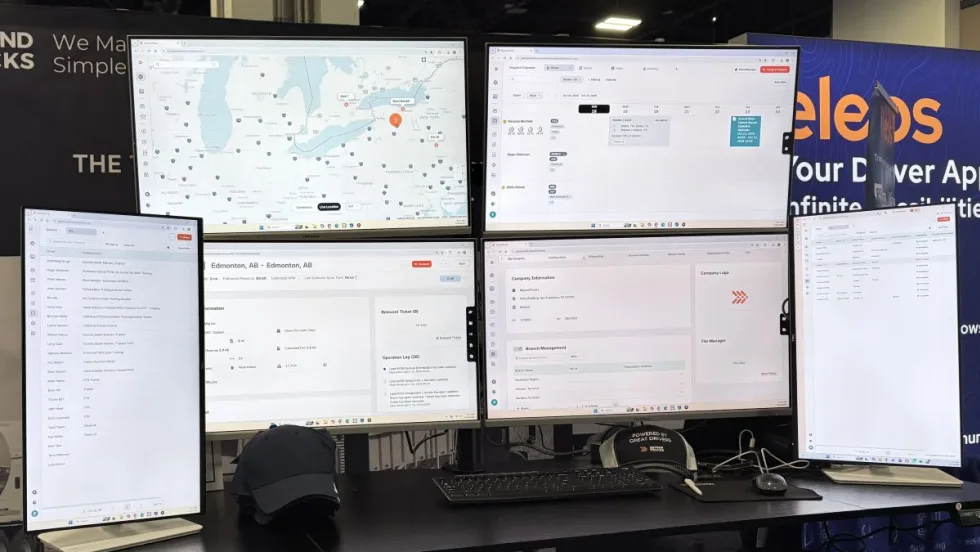
BeyondTrucks Adds Rules Checks to Dispatch
New Compatibility Engine checks driver qualifications, equipment requirements and fleet policies before loads are dispatched.
Read More →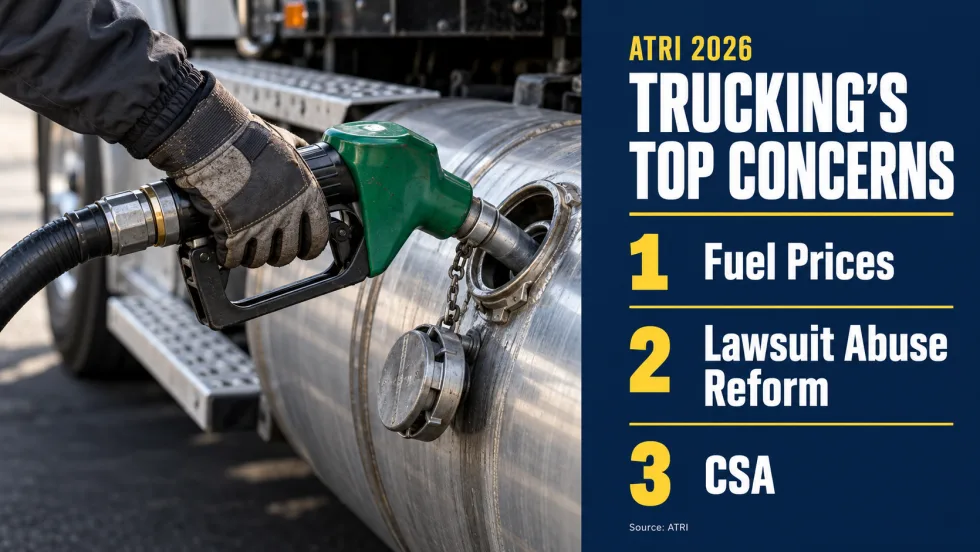
Diesel Prices Hijack Trucking’s Worry List
ATRI’s annual survey finds cautious optimism about freight, but diesel costs, litigation, and insurance continue to squeeze fleets. Drivers have different priorities on several issues.
Read More →
Nomination Deadline Extended for HDT Emerging Leaders
Just a few more days to nominate accomplished trucking fleet professionals under 40 who are making an impact and helping lead the industry forward for the HDT Emerging Leaders award. Deadline extended to October 20!
Read More →
What Will ATA’s New Leader Bring to Trucking's Table?
Incoming President and CEO Mark Colson’s record in Alabama offers clues about his priorities and approach following Chris Spear’s abrupt departure as the head of the American Trucking Associations.
Read More →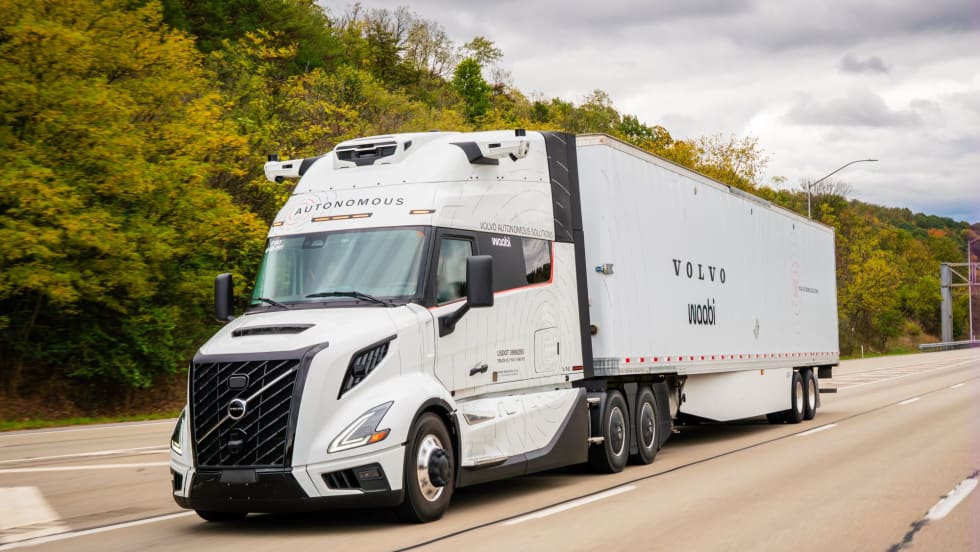
Volvo, Waabi Start Commercial Autonomous Operations in Texas
Volvo VNL Autonomous trucks, powered by the Waabi Driver, are hauling freight directly to third-party facilities for a customer in Texas.
Read More →