




Related: Electric Trucks - Zap in the Pan?
Motiv to Deliver Electric Refuse Trucks by Early 2018
Motiv expects to deliver two fully electric refuse trucks to the City of Los Angeles by early 2018, the company announced.
by Staff
October 10, 2017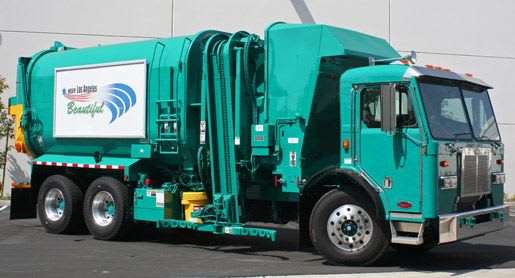
Image courtsy of Motiv
2 min to read
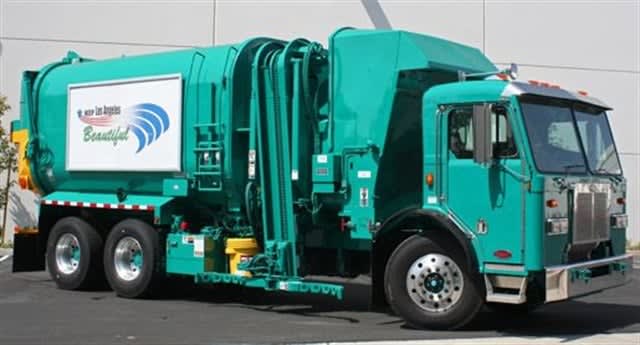
Image courtsy of Motiv
Motiv expects to deliver two fully electric refuse trucks to the City of Los Angeles by early 2018, the company announced.
The electric refuse trucks are a continuation of a demonstration project funded by the California Energy Commission. The Class 8 electric refuse vehicles will use the Motiv All-Electric Powertrain to drive a Crane Carrier chassis, with an automated side-loader body built by Amrep.
The trucks will bring the total of Motiv’s electric refuse trucks operating in North America to four, three of which are in California.
"Fossil-fueled garbage trucks emit about 20 times the carbon of the average U.S. home. They achieve just two to three miles per gallon, and stick to standard routes, making them ideal electrification targets for LA's sustainability program," said Jim Castelaz, Motiv CEO. "We're proud that our all-electric refuse trucks will help the city achieve its cleaner air goals, as well as save on operational and maintenance costs."
Similar to Motiv powered electric refuse trucks on the road in Sacramento, the Los Angeles trucks will have a payload capacity of nine tons and 1,000 pounds per cubic yard of compaction. All Motiv ERVs are equipped with 10 battery packs, expandable to 12 packs if needed for future route expansion. With up to 212 kWh of power, Motiv’s electric powertrain supplies enough electricity to efficiently move the truck and power the electric hydraulics throughout the day, according to the company. Using the Motiv universal high power charger, the ERV batteries reach a full charge overnight.
Motiv’s electric powertrain is scalable for different applications from Class 4 through Class 8. Motiv says that it is suited for public works and city service vehicles and will contribute to the City of Los Angeles’s goal of reducing greenhouse gas emissions by 2050.
The use of a single electric powertrain system for all the city's electric work trucks can simplify the maintenance and operation of a growing municipal electric vehicle fleet, reducing the cost of spare parts and training. This could enable cities like Los Angeles to expand their carbon reduction efforts through electrification of work trucks, transit buses and other diesel vehicles without placing a heavy maintenance burden on their public works departments.
More Fuel Smarts

How Volvo Updated Its D13 for EPA 2027 [Watch]
Volvo’s updated D13 promises lower emissions without sacrificing performance or fuel economy. Take a closer look at what changed inside the engine in this HDT Spotlight video.
Read More →
Diesel Price Spike Shortens Payback for Natural Gas Trucks, Report Says
Energy Vision estimates fleets could recover the higher purchase price of an RNG-fueled Class 8 tractor in 1.3 to 2.8 years under current fuel-price scenarios.
Read More →
Calstart Becomes Catalyst Mobility, Reflecting Broader Focus
Calstart is now Catalyst Mobility, reflecting the nonprofit’s growing national role in clean transportation, including zero-emission trucks, infrastructure and incentive programs.
Read More →

Record Diesel Prices Squeeze Trucking Fleets
Average U.S. diesel prices have climbed to nearly $6 a gallon, surpassing the 2022 record as tight refinery capacity and Middle East disruptions keep fuel costs elevated.
Read More →
Sponsored•September 9, 2026
How Fuel Delivery Shapes Engine Performance
Fuel delivery depends on more than what happens at the injector. For fleet, maintenance and technical professionals, looking at the full path from pump to injector can provide useful context for understanding engine performance.
Read More →
East Coast Port Launches $45M Electric Truck Push
The Port Authority of New York and New Jersey announced millions in incentives for zero-emission drayage trucks, yard tractors, and new charging hubs near the port.
Read More →
California Bill Could Shed Light on Electric Truck Prices
Why do battery-electric Class 8 trucks remain so expensive? A California bill headed to Gov. Gavin Newsom would give fleets and state agencies more visibility into what manufacturers charge.
Read More →
Detroit Opens Orders for EPA 2027 Engines
Detroit isn’t starting from scratch to meet EPA 2027 diesel emissions standards. Its Gen 6 DD13 and DD15 engines keep much of today’s platform while updating the fuel and aftertreatment systems.
Read More →
Zero-Emission Truck Corridor Planned for West Coast
California, Oregon, Washington, British Columbia and Baja California are coordinating plans for truck charging and hydrogen fueling from Canada to Mexico.
Read More →
A Closer Look at Kenworth’s Electric T880E Vocational Truck [Video]
Learn more about Kenworth's T880E battery-electric vocational truck at the Paccar Technical Center, including its range, applications, upfitting considerations, and PTO options, in this HDT Spotlight video.
Read More →