




More Regulations Expected to Strengthen Safety Systems Market
The continuing problem of too many Class 4-8 truck safety technologies chasing too few consumer dollars has stalled their market penetration of integrated safety systems, reports Frost & Sullivan. However, the safety systems market is poised for a steep growth trajectory during the next five to seven years due to a tighter regulatory environment, introduction of integrated safety systems and availability of telematics-based safety applications
The continuing problem of too many Class 4-8 truck safety technologies chasing too few consumer dollars has stalled their market penetration of integrated safety systems, reports Frost & Sullivan. However, the safety systems market is poised for a steep growth trajectory during the next five to seven years due to a tighter regulatory environment, introduction of integrated safety systems and availability of telematics-based safety applications.
New analysis from industry research and consultant firm Frost & Sullivan, "Strategic Analysis of North American Class 4-8 Truck Safety Systems Market," finds the market earnings of $196.4 million in 2010 and estimates it to reach $609.8 million in 2017.
The trucking industry has been so busy over the last several years meeting Environmental Protection Agency emissions regulations that safety systems have not been front and center. Moving forward, however, Frost & Sullivan sans trucking original equipment manufacturers focusing on soft technologies and system integration will stoke higher adoption rates because of the CSA (Compliance, Safety, Accountability) regime at the Federal Motor Carrier Safety Administration, possible upcoming legislative support and energy-price volatility.
The development of integrated safety systems focused on collision mitigation, rising accident coverage costs and shortage of skilled drivers in the industry point towards the need of advanced safety technologies for trucks, according to the firm.
"In a period of truck production volatility, safety system manufacturers need to focus on soft technologies such as safety and telematics to insulate truck manufacturers and suppliers from revenue losses and strengthen potential revenue streams for long-term growth," says Frost & Sullivan Senior Research Analyst Ananth S. "However, the lack of quantifiable research, demonstrable cost saving potential of the technology and skepticism regarding false alarms as well as warnings are restraining the market."
In North America, the legal environment poses significant barriers for OEMs offering safety technologies as a standard, the study notes. The fear of lawsuits impedes rapid market penetration and growth of several non-mandated technologies. Improved legislative support, a clear return on investment, effective technologies reducing accidents and driver acceptance will ensure uptake of advanced safety technologies.
With the market's evolution, truck OEMs and system suppliers must work closely with each other as well as with market groups such as telematics service providers, Frost & Sullivan says. Moreover, rising awareness and the demand for stand-alone systems, such as stability control systems, tire pressure monitoring system and lane departure warning systems, are expanding the revenue growth potential for participants.
"Within the next three to four years, the introduction of safety systems and technologies will not only deliver enhanced safety value and uptime, but will also reduce fleet operating costs and raise mobile resource productivity," notes Ananth S. "This will encourage truck owners to invest significantly in Class 4-8 truck safety technologies such as ISS and telematics-based safety applications."
More Aftermarket

What Three Fleets Are Doing Differently When Buying Truck Parts in 2026
With freight improving but costs still climbing, fleet maintenance executives explain how they're balancing price, quality, and supplier relationships.
Read More →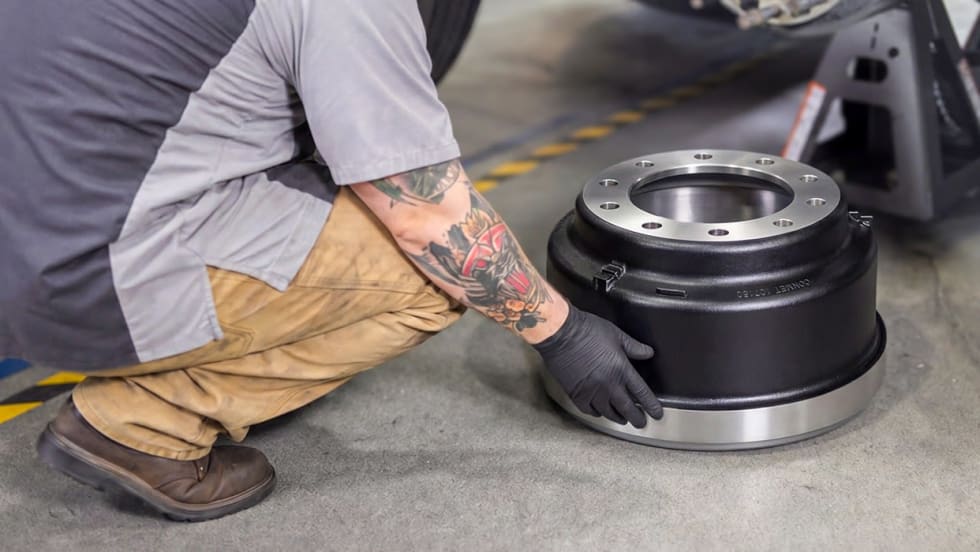
ConMet Expands Aftermarket Brake Drum Lineup With TruCast
A new heavy-duty truck brake drum option in the aftermarket gives customers more flexibility within the ConMet product family.
Read More →
Phillips Opens High-Tech Distribution Center for Faster Parts Delivery
Phillips Industries’ new Cincinnati-area distribution center is now shipping aftermarket trucking parts nationwide, aiming to speed up delivery times for customers.
Read More →
Volvo to Sponsor America’s Road Team for 2025
Volvo Trucks announced that it is extending its exclusive sponsorship of America’s Road Team for 2025.
Read More →
Webb to Start Taking Orders for UltraSet Pre-Adjusted Wheel Hubs
Webb, which recently acquired the Stemco Trifecta pre-adjusted hub program, will soon start taking orders for its replacement pre-assembled hub, the UltraSet.
Read More →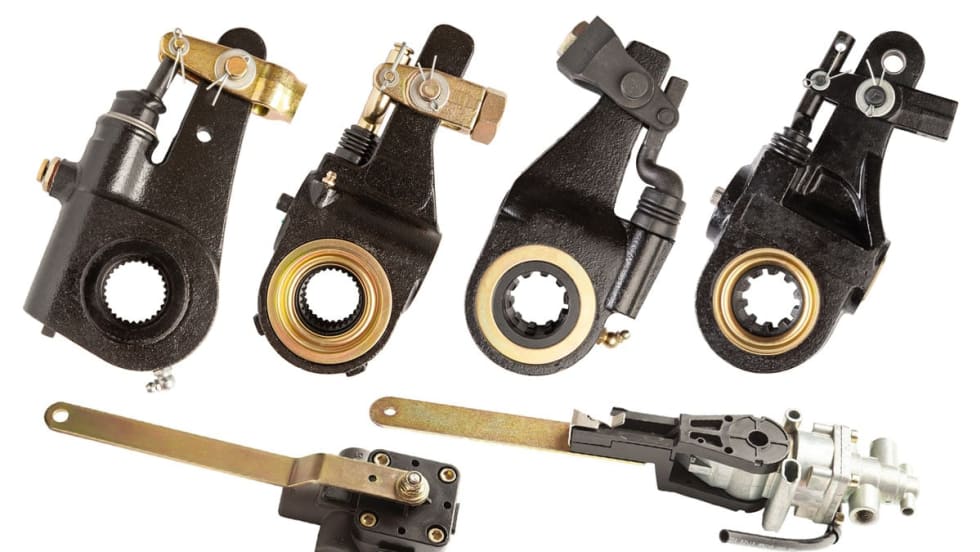
All-Makes Automatic Brake Adjusters, Ride Height Control Valves from Midland
SAF-Holland has added automatic brake adjusters and ride height control valves to its Midland All-Makes Program.
Read More →
ZF Aftermarket Expands [pro]Academy Training
ZF Aftermarket said it is expanding its ZF [pro]Academy training and will be adding 40 new modules this year.
Read More →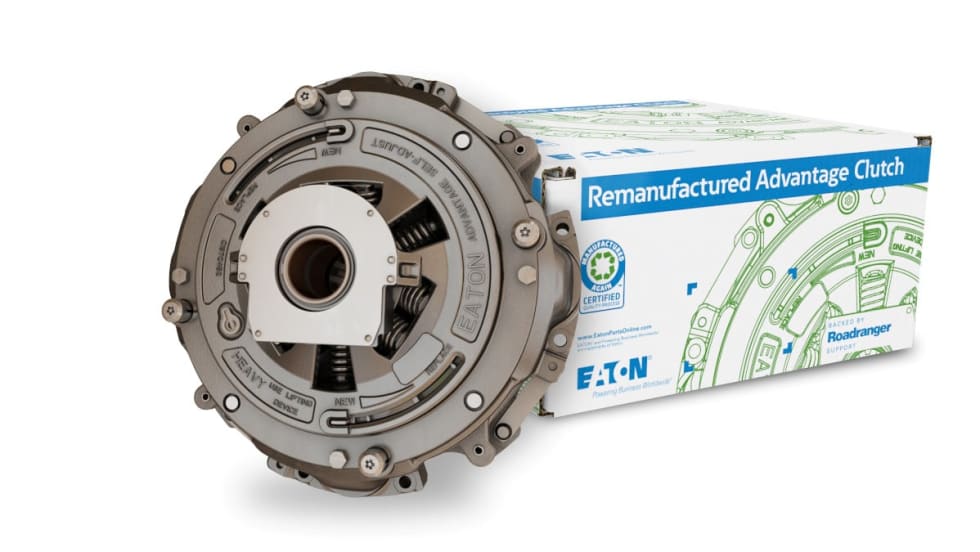
Eaton Adds Remanufactured Advantage Line of Clutches
Eaton has added its Advantage clutches to its remanufactured product line. The clutches feature a unique strap drive intermediate plate designed to allow customers to choose the latest OE specification
Read More →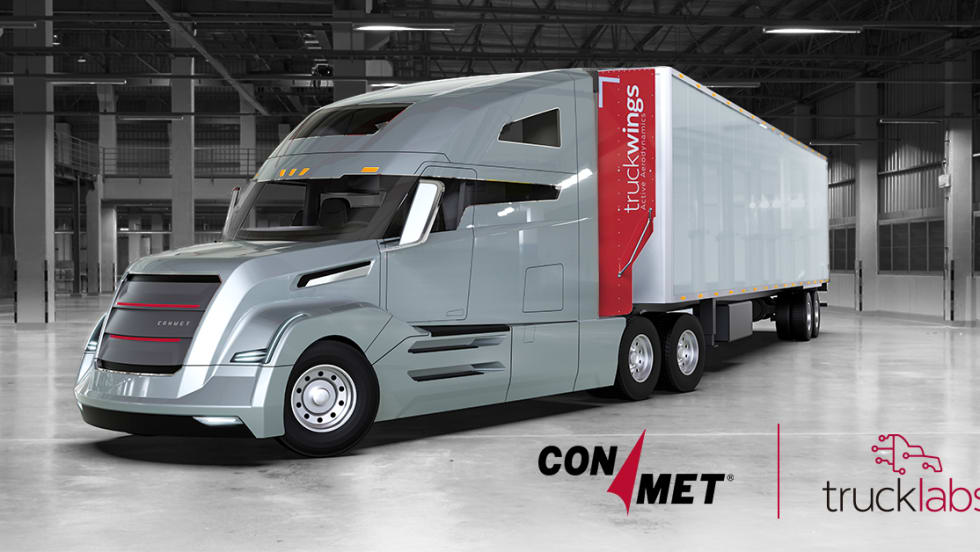
ConMet Acquires TruckLabs, the Creator of TruckWings
Commercial truck and trailer parts provider ConMet acquired TruckLabs, the company that created TruckWings, an aerodynamic device that attaches to truck cabs and deploys to close the gap between truck and trailer. TruckLabs now operates as a subsidiary of ConMet.
Read More →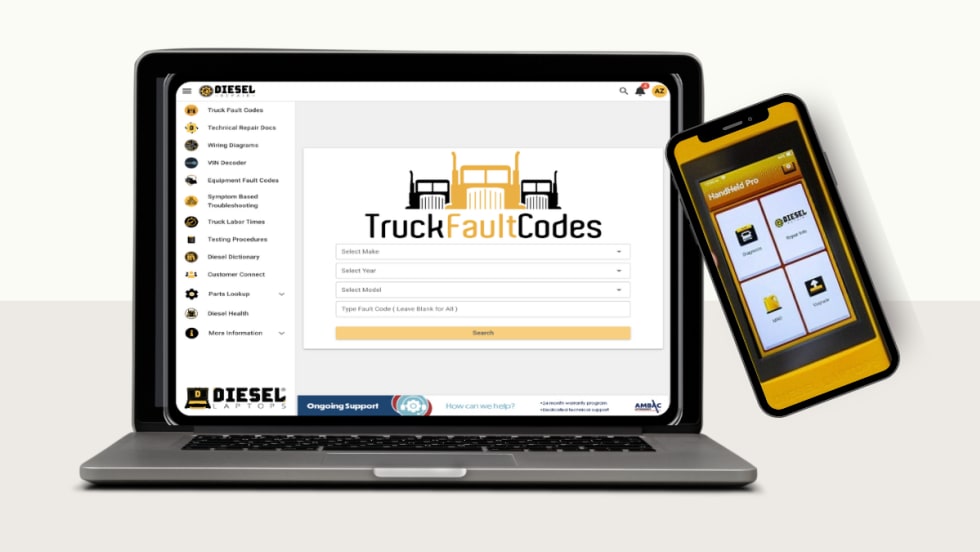
Diesel Laptops Releases Fault-Code-to-Part-Number Tool
Diesel Laptops said its Truck Fault Codes allows users to input a fault code and immediately identify and order the parts needed to complete repair work.
Read More →