




Montana DOT Begins Using Salt Brine, Limits Use of Magnesium Chloride
Officials say salt brine is a less expensive and less corrosive alternative to magnesium chloride, and it's more effective than pure rock salt. It's already in use in the Kalispell and Whitefish areas as well as Missoula, Helena, and Butte
Officials say salt brine is a less expensive and less corrosive alternative to magnesium chloride, and it's more effective than pure rock salt. It's already in use in the Kalispell and Whitefish areas as well as Missoula, Helena, and Butte.
The debate surrounding the use of corrosive chemicals to clear roads of slush, snow and ice is a long and loud one, but official in Montana say spraying liquid salt brine will provide the snow melting capability they need, without the corrosive effects of salt and magnesium chloride.
The only downside to the brine solution, they admit, is that it can't be used at temperatures below 18 degrees because it freezes.
The brine is a solution of 23% salt mixed with water with a corrosion inhibitor added. It is sprayed from trucks in liquid form onto road surfaces to melt snow and ice.
MDT officials say they will continue using sand, along with pure rock salt and magnesium chloride in limited instances, mostly in areas where the brine is not available or when temperatures are too low. Rock salt is often mixed with sand to prevent the sand from freezing. Salt and Magnesium chloride cannot be mixed together.
Sanding roads frequently causes dust, and forces the state to sweep the roads to pick up the sand.
The state had also experimented with a corn-based product but discontinued its use after receiving complaints about its bad smell.
While the brine solution is said to be less corrosive than magnesium chloride or salt, residents in the Great Falls area are concerned about the impact of the product on their cars.
The Great Falls Tribune quotes Mick Johnson, district administrator for Great Falls Division of the Montana Department of Transportation as saying the 23% brine solution is less corrosive the pure salt because the salt is at a lower concentration.
"First of all, we're not spreading salt, we're spreading salt brine," Johnson said. "It's 23 percent salt."
Raw salt is placed on roads in some states, but that's not what will happen in Great Falls, he said.
"Salt dissolves in nature," Johnson said. "It's a natural element."
Johnson also told the paper that magnesium chloride costs about 90 cents a gallon compared to the brine, which costs about 20 cents a gallon.
According to KFBB Television of Great Falls, last year MDT used around 240,000 gallons of magnesium chloride in Great Falls at a cost of $216,000. If MDT needed to use the same amount of salt brine this year as magnesium chloride last year, MDT would save about $120,000.
More Drivers
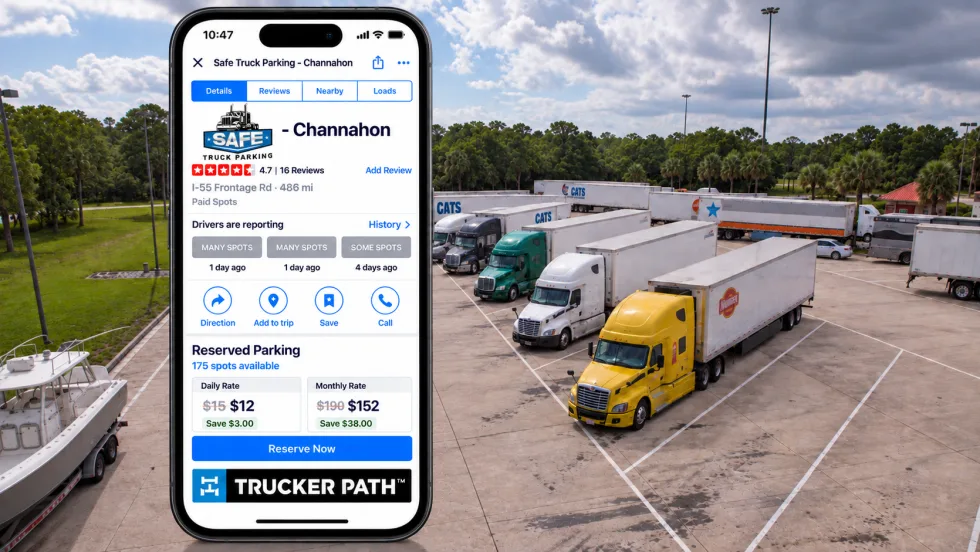
Trucker Path Expands Reserved Parking Network
Trucker Path has added close to 6,000 more truck parking spaces to its Trucker Path Reserved Parking Network with the addition of Safe Truck Parking.
Read More →
EEOC Sues Texas Trucking Company Over Driver Age Limits
The agency says Trancasa USA rejected applicants over 65 and applied tougher driving-record standards to those over 60.
Read More →
Nussbaum, Roehl Announce Second Driver Pay Increase This Year
This year has seen a swath of major truck driver pay increases as freight capacity has tightened.
Read More →
From One Generation to the Next: How Mentorship Builds Safer Truck Drivers
After three decades in trucking, Harold Perry shares what he's learned about driver safety, mentorship, and helping the next generation build confidence behind the wheel.
Read More →
Truck Drivers Need More Than Another Alert
Fleets have more visibility into truck health, safety events, and driver activity than ever. The next challenge is turning all that information into useful guidance for the person who has to decide what to do next.
Read More →
FMCSA Removes 110 Truck Driver Training Schools from Certified ELDT List
Federal regulators also are targeting more than 160 additional training providers and launching a nationwide audit of third-party CDL skills testers as part of a broader crackdown on trucking fraud.
Read More →
Hours of Service Pilot Programs: FMCSA Readies for 2027 Rollout
Two pilot programs could eventually reshape hours-of-service rules, giving truck drivers options to pause their 14-hour clock or use longer split sleeper rest periods.
Read More →
Medical Cards, English Proficiency Reshape Roadcheck Violations
Medical-card violations jumped to the top of the driver out-of-service list during CVSA’s 2026 International Roadcheck, while English-language proficiency violations appeared among the leading violations for the first time.
Read More →
Driver Trust Can Make or Break the Success of Fleet Safety Technology
New Teletrac Navman research suggests that onboarding, transparency about driver data, and positive feedback can play a significant role in how commercial drivers respond to safety and coaching technology.
Read More →
EEOC Sues KLLM Over Alleged Sex Discrimination in Driver Training
KLLM is facing a federal sex-discrimination lawsuit over policies the EEOC alleges put female truck driver trainees at a disadvantage.
Read More →