




MIT Study Finds Electric Trucks Can Save Businesses Money
Using electric trucks can considerably reduce costs for fleets, say researchers at the Massachusetts Institute of Technology. MIT News reported that the study, conducted at MIT's Center for Transportation and Logistics, found that electric vehicles can cost 9% to 12% less to operate than diesel-powered trucks when used to make deliveries on a daily basis in large cities
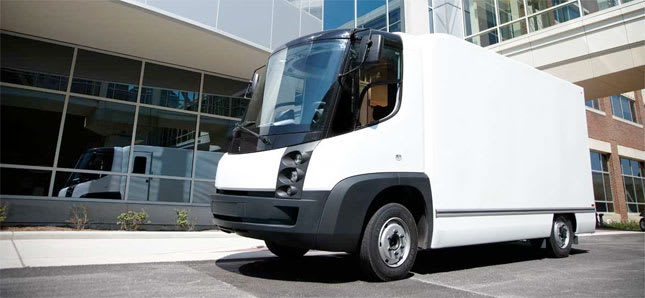
MIT study says electric trucks, like this one from Navistar, have the potential to save businesses money.
Using electric trucks can considerably reduce costs for fleets, say researchers at the Massachusetts Institute of Technology.
MIT News reported that the study, conducted at MIT's Center for Transportation and Logistics, found that electric vehicles can cost 9% to 12% less to operate than diesel-powered trucks when used to make deliveries on a daily basis in large cities.
"We think it's already a viable economic model, and as battery costs continue to drop, the case will only get better," Jarrod Goentzel, director of the Renewable Energy Delivery Project at CTL and one of four co-authors of the new study, told MIT News.
The study used data collected from Staples, the office supplier, and ISO New England, which runs New England's electric power grid. Researchers found that in a situations where diesel was $4 a gallon, trucks with internal-combustion engines averaged 10.14 mpg, hybrid trucks averaged 11.56 mpg, and electric-only trucks averaged 0.8 kilowatt-hours per mile.
Researchers also looked at the possibility of the trucks being part of a vehicle-to-grid system, where batteries could be plugged into the electric grid for 12 hours each night as an additional electricity source for consumers. In a setup such as this, truck owners would receive compensation from utility firms for providing the power service. The study found that from this setup, business owners stand to make $900 to $1,400 per truck per year in V2G revenues, reported MIT News.
Because of this, when V2G-enabled electric trucks take the place of internal-combustion trucks, operational cost decreases from 75 cents per mile to 68 cents per mile. Furthermore, as Goentzel told MIT News, "almost all these costs scale down to the individual vehicle." That means fleets could be much smaller than 250 trucks and still see savings.
While this concept would provide many opportunities for urban commercial fleets, the study concluded it wouldn't apply to rural or interstate deliveries. If the V2G concept does become a reality, urban commercial fleets will likely be the first vehicles used because they can be managed and controlled to connect to grids at regular times in the same locations.
More Drivers
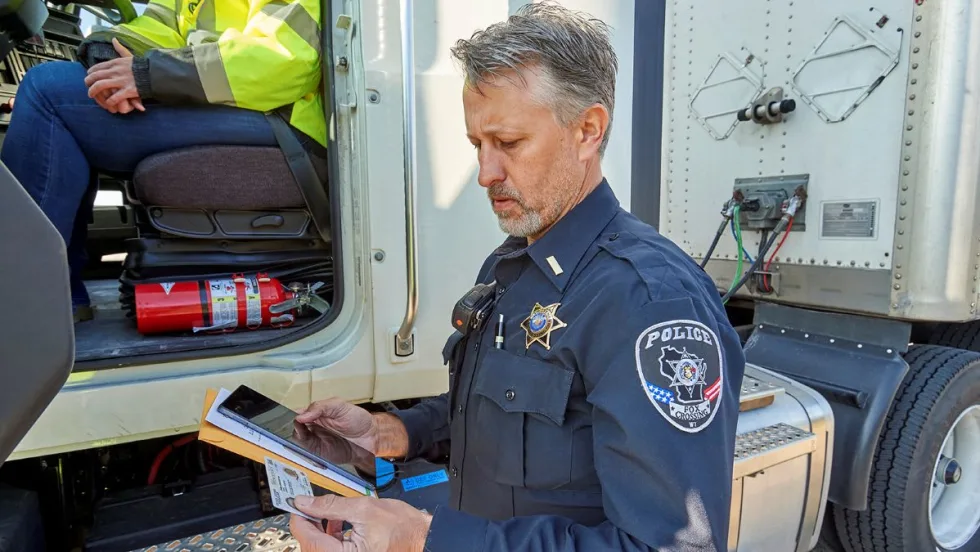
When Language Stops the Truck: The Return of ELP Out-of-Service Orders
English language proficiency rules for commercial drivers aren’t new, but renewed out-of-service enforcement has raised the stakes. Here’s what carriers need to know before a driver reaches a roadside inspection.
Read More →
Samsara Launches Custom AI Agent Builder
Agent Studio lets fleets create AI tools for hours-of-service monitoring, reporting and driver support, including agents that communicate by phone.
Read More →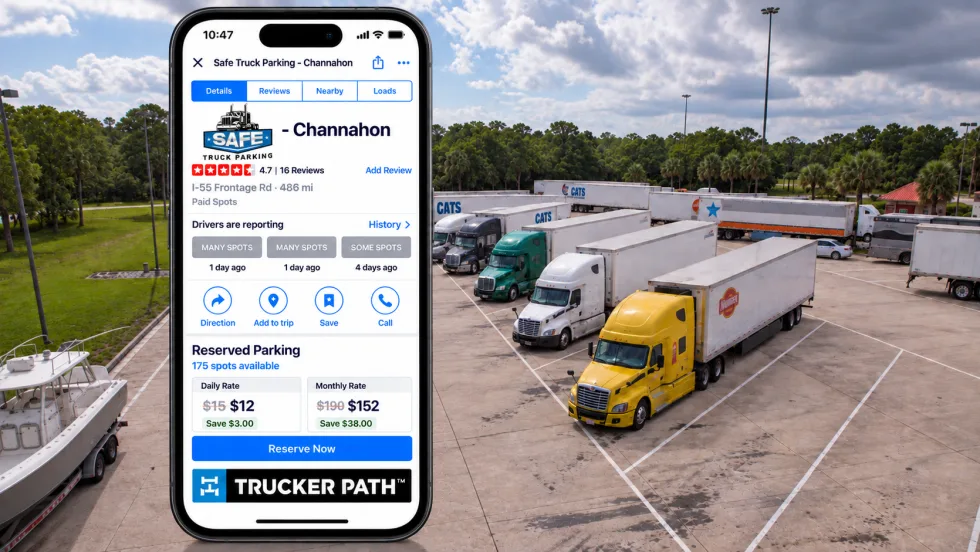
Trucker Path Expands Reserved Parking Network
Trucker Path has added close to 6,000 more truck parking spaces to its Trucker Path Reserved Parking Network with the addition of Safe Truck Parking.
Read More →
EEOC Sues Texas Trucking Company Over Driver Age Limits
The agency says Trancasa USA rejected applicants over 65 and applied tougher driving-record standards to those over 60.
Read More →
Nussbaum, Roehl Announce Second Driver Pay Increase This Year
This year has seen a swath of major truck driver pay increases as freight capacity has tightened.
Read More →
From One Generation to the Next: How Mentorship Builds Safer Truck Drivers
After three decades in trucking, Harold Perry shares what he's learned about driver safety, mentorship, and helping the next generation build confidence behind the wheel.
Read More →
Truck Drivers Need More Than Another Alert
Fleets have more visibility into truck health, safety events, and driver activity than ever. The next challenge is turning all that information into useful guidance for the person who has to decide what to do next.
Read More →
FMCSA Removes 110 Truck Driver Training Schools from Certified ELDT List
Federal regulators also are targeting more than 160 additional training providers and launching a nationwide audit of third-party CDL skills testers as part of a broader crackdown on trucking fraud.
Read More →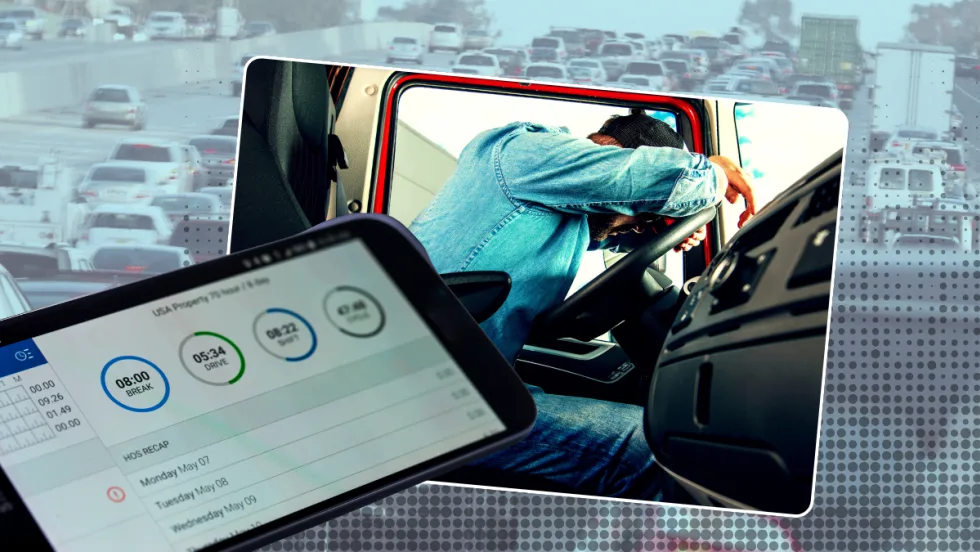
Hours of Service Pilot Programs: FMCSA Readies for 2027 Rollout
Two pilot programs could eventually reshape hours-of-service rules, giving truck drivers options to pause their 14-hour clock or use longer split sleeper rest periods.
Read More →
Medical Cards, English Proficiency Reshape Roadcheck Violations
Medical-card violations jumped to the top of the driver out-of-service list during CVSA’s 2026 International Roadcheck, while English-language proficiency violations appeared among the leading violations for the first time.
Read More →