




Michigan Governor Says New Windsor Detroit Bridge Key to Economic Development
In his State of the State address, Michigan Gov. Rick Snyder made it clear that building a new bridge between Windsor and Detroit, as recommended by the Detroit River International Crossing (DRIC) process, will be a key component of his economic renewal plan for Michigan
In his State of the State address, Michigan Gov. Rick Snyder made it clear that building a new bridge between Windsor and Detroit, as recommended by the Detroit River International Crossing (DRIC) process, will be a key component of his economic renewal plan for Michigan.
Snyder explained that as global demand for Michigan's ports of entry increases, it is essential for trade and job growth that Michigan's crossings be improved; the realization of the DRIC project is a key part of this plan.
"To satisfy growing demand, we must move forward towards building a bridge, a new bridge from Detroit to Windsor, The Detroit River International River Crossing," proclaimed Snyder. "We will present a totally revamped and highly attractive economic development proposal including a recent agreement from Washington."
Last year, a bill approving DRIC was not introduced or voted out of the state senate transportation committee before the Michigan legislative session adjourned. With Governor Snyder's support, the DRIC legislation will be reintroduced and examined by the new lawmakers in office.
"This project isn't just a Detroit issue. Every farmer and manufacturer in our state can tell you why it's important to have world trade. This new bridge will create jobs, strengthen our economy, help establish Michigan as a hub for global commerce," continued Snyder. "So let's work together so this opportunity does not slip away."
The project will be funded through a public-private partnership in which the Canadian government's pledge of $550 million towards Michigan's share of the cost will play a key part. Last week, Snyder reached an agreement with the Federal Highway Administration to use the $550 million investment towards the matching funds required for all federally funded highway projects.
Ontario Trucking Association (OTA) President David Bradley, a strong supporter of the DRIC proposal, welcomed the Governor's remarks, saying "This is excellent news and I'm extremely pleased Governor Snyder has decided to make DRIC a priority for his administration. The prospects of getting the DRIC plan approved in the next few months are considerably strong today than they were yesterday."
However, Bradley went on to caution that while the Governor's support of DRIC certainly boosts the project's outlook, it does not guarantee its success in the legislature. "There is still a lot of work to be done to get this through the House and Senate and OTA will continue to do everything in our power to help get DRIC through the Michigan Legislative process," Bradley said. "But having the governor's strong leadership hopefully will carry the day. While we're taking nothing for granted, we're very optimistic about the future of DRIC."
More Drivers
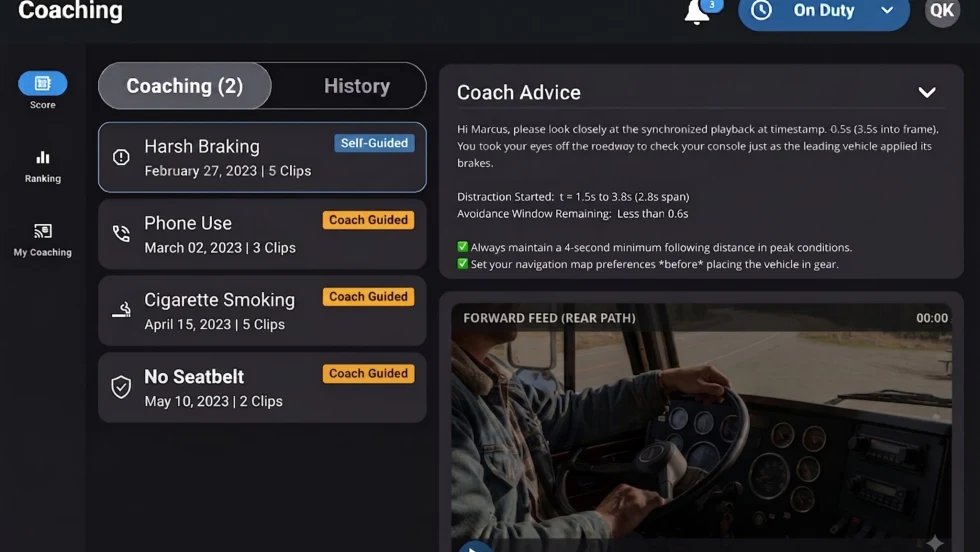
Platform Science Adds Dispatch and Safety Tools
Four additions to PS Fleet help fleets monitor loads, manage driver coaching, share truck locations and adjust video system settings.
Read More →
When Language Stops the Truck: The Return of ELP Out-of-Service Orders
English language proficiency rules for commercial drivers aren’t new, but renewed out-of-service enforcement has raised the stakes. Here’s what carriers need to know before a driver reaches a roadside inspection.
Read More →
Samsara Launches Custom AI Agent Builder
Agent Studio lets fleets create AI tools for hours-of-service monitoring, reporting and driver support, including agents that communicate by phone.
Read More →
Trucker Path Expands Reserved Parking Network
Trucker Path has added close to 6,000 more truck parking spaces to its Trucker Path Reserved Parking Network with the addition of Safe Truck Parking.
Read More →
EEOC Sues Texas Trucking Company Over Driver Age Limits
The agency says Trancasa USA rejected applicants over 65 and applied tougher driving-record standards to those over 60.
Read More →
Nussbaum, Roehl Announce Second Driver Pay Increase This Year
This year has seen a swath of major truck driver pay increases as freight capacity has tightened.
Read More →
From One Generation to the Next: How Mentorship Builds Safer Truck Drivers
After three decades in trucking, Harold Perry shares what he's learned about driver safety, mentorship, and helping the next generation build confidence behind the wheel.
Read More →
Truck Drivers Need More Than Another Alert
Fleets have more visibility into truck health, safety events, and driver activity than ever. The next challenge is turning all that information into useful guidance for the person who has to decide what to do next.
Read More →
FMCSA Removes 110 Truck Driver Training Schools from Certified ELDT List
Federal regulators also are targeting more than 160 additional training providers and launching a nationwide audit of third-party CDL skills testers as part of a broader crackdown on trucking fraud.
Read More →
Hours of Service Pilot Programs: FMCSA Readies for 2027 Rollout
Two pilot programs could eventually reshape hours-of-service rules, giving truck drivers options to pause their 14-hour clock or use longer split sleeper rest periods.
Read More →