




Merger Creates Fourth Largest Container Shipping Company
Container shipping company Hapag-Lloyd AG and Compañía Sud Americana de Vapores, also known as CSAV, have signed a binding contract on merging CSAV’s entire container business with Hapag-Lloyd.

Michael Behrendt, Chairman of the Executive Board of Hapag-Lloyd (left), and Oscar Hasbún, CEO of CSAV, today at Ballin House (Hapag-Lloyd headquarters) in Hamburg after the signing.
Container shipping company Hapag-Lloyd AG and Compañía Sud Americana de Vapores, also known as CSAV, have signed a binding contract on merging CSAV’s entire container business with Hapag-Lloyd.
Following the integration, Hapag-Lloyd will rank as the fourth largest liner shipping companies in the world, with some 200 vessels with total transport capacity of around one million twenty food equivalent unites, an annual transport volume of 7.5 million TEUs.
The company’s head office will remain in Hamburg. In addition, Hapag-Lloyd will have a strong regional office in Chile for its Latin America business.
In return for contributing its container business, CSAV will become a new Hapag-Lloyd core shareholder. It will initially hold a 30% stake in the combined entity that can eventually increase to 34%.

“By joining forces, we are creating a stronger, larger and more global company with significant economies of scale and a considerably improved competitive position,” said Oscar Hasbún, CEO of CSAV. “The combination with CSAV, Latin America’s leading container shipping line, considerably strengthens Hapag-Lloyd in this growth market and adds a strong position in the North-South traffic to the company’s global network and to its established strength in East-West traffics.”
The Chilean-based CSAV, was founded in 1872 while the Germany-based Hapag-Lloyd was founded in 1847.
Both companies have already approved the merger but the closing is still subject to regulatory approval.
More Fleet Management
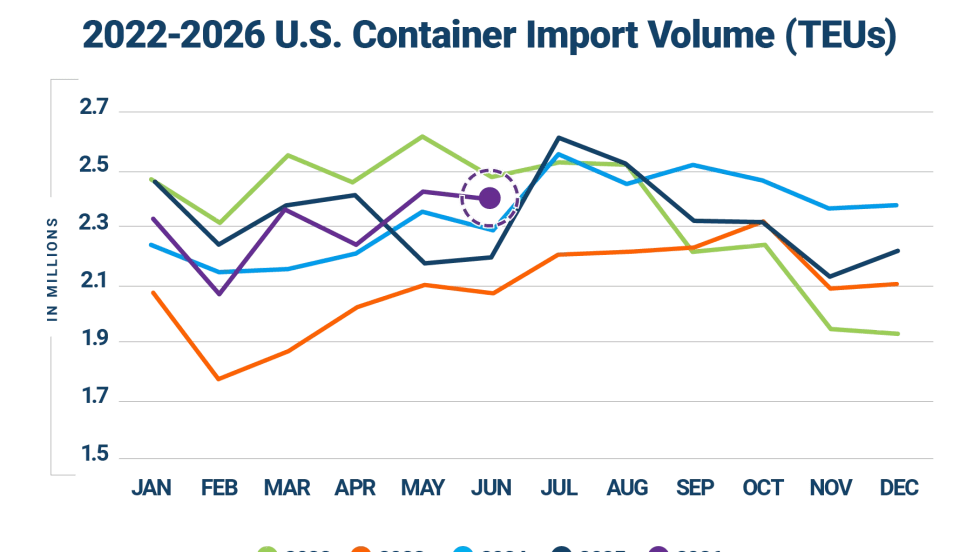
Import Cargo’s Early Peak Season is Winding Down
There was an early start to peak season this year at the nation's gateway ports, as retailers brought in merchandise ahead of tariff changes in late July and responded to other supply chain uncertainties,
Read More →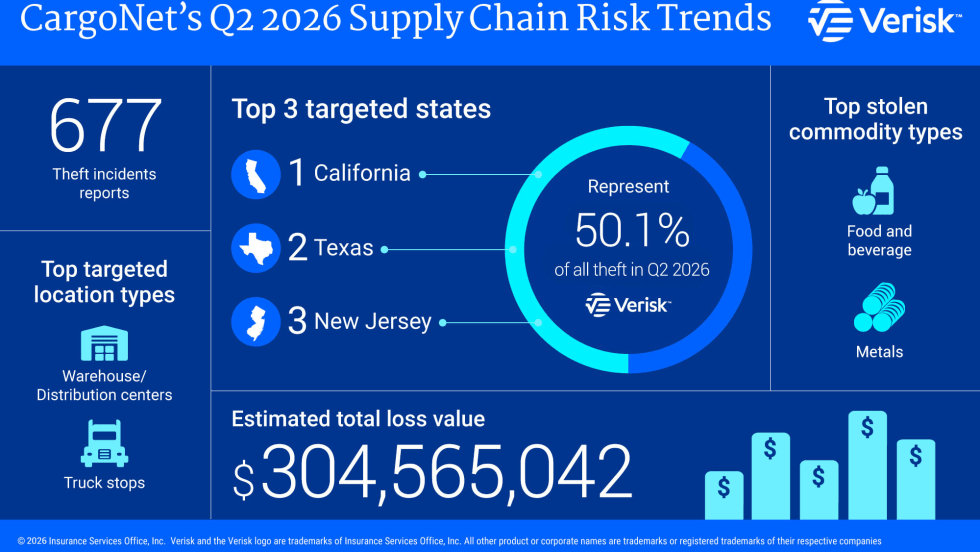
Fewer Cargo Thefts, Bigger Losses: Criminals Target Higher-Value Loads
CargoNet says organized theft rings are stealing fewer shipments but choosing more valuable freight, including metals and technology, resulting in record losses.
Read More →
How Innovative Trucking Leaders Turn Change Into an Advantage
As the pace of change accelerates in trucking, the fleets that adapt best have more than the latest technology. They have cultures that embrace improvement.
Read More →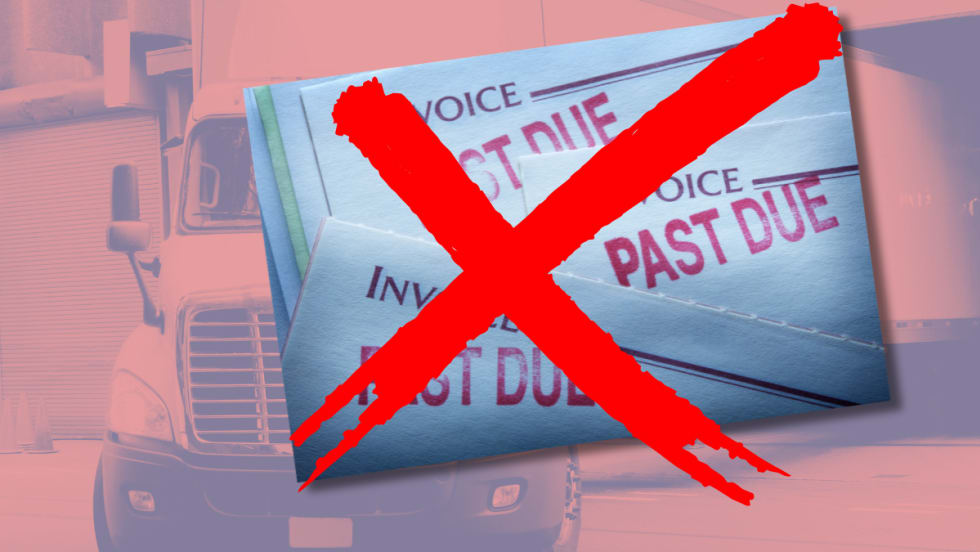
Freight Broker Bonds Just Got Harder to Get. Here's What That Means for Your Fleet.
When it gets harder for a freight broker to prove they are financially sound, the ones who cannot clear that bar get pushed out of the market. And those are exactly the brokers who used to leave motor carriers holding the bag.
Read More →
Long-Awaited Canadian Border Bridge to Open in Detroit
For trucking, the bridge opening should offer immediate improvements in efficiency and reliability, with new customs facilities, expanded inspection capacity, and direct freeway-to-freeway connections.
Read More →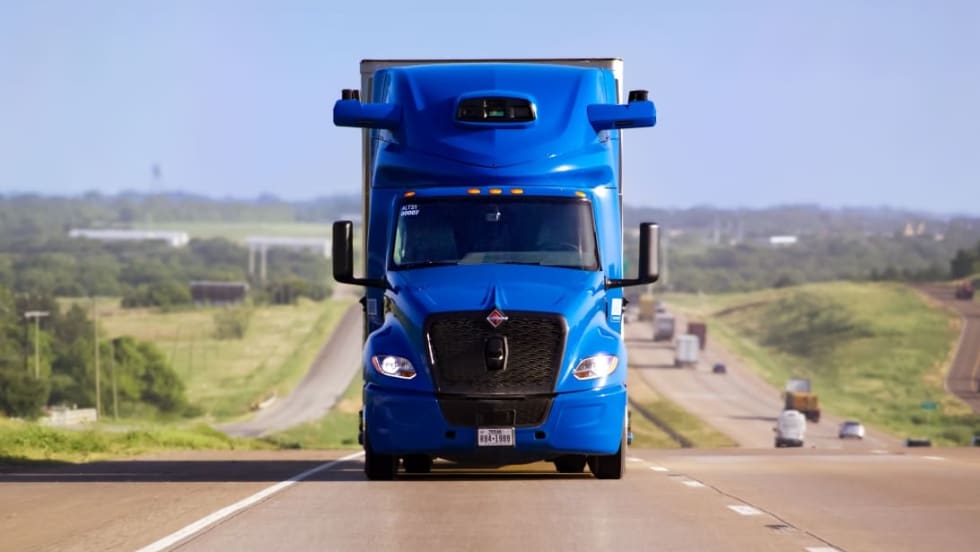
Aurora Rolls Out Next Generation of Driverless Trucks for Commercial Freight
Aurora's latest autonomous trucks it's rolling out with International feature lower-cost hardware designed for a million miles as the company expands commercial driverless freight operations across the U.S. Sun Belt.
Read More →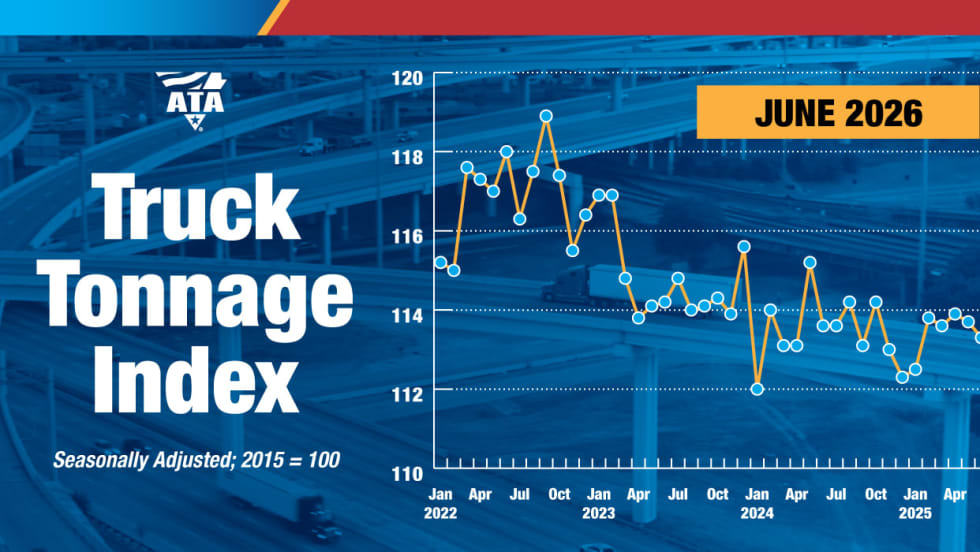
Freight Tonnage Down, Rates up, as Lower Capacity Powers Trucking Recovery
The recovery from the freight recession continues to be driven by reduction in capacity rather than by increased demand.
Read More →
Think Your Trucking Fleet Isn't Using Much AI? Think Again
Shadow AI — the use of unauthorized artificial intelligence tools at work — is becoming increasingly common, putting sensitive company data at risk. Learn how trucking fleets can protect sensitive data while embracing AI.
Read More →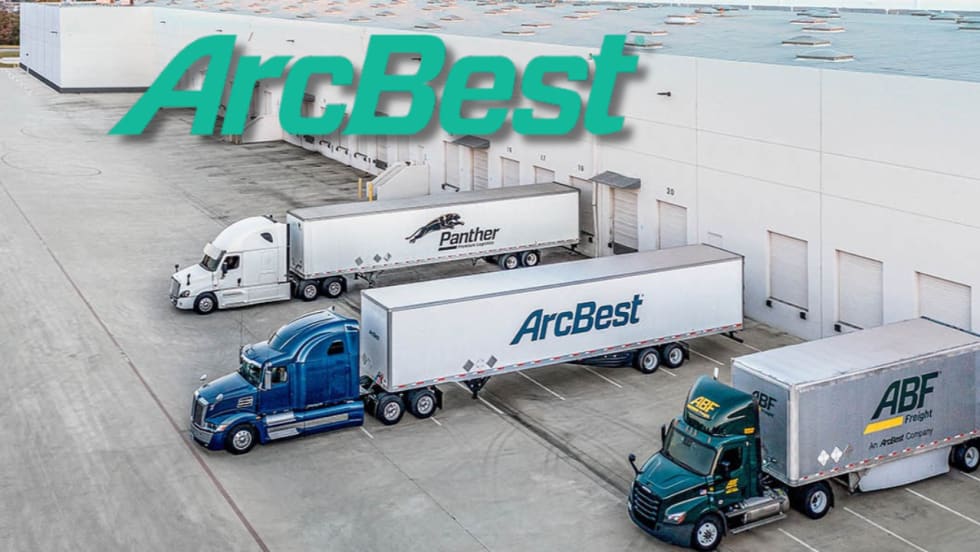
ArcBest Consolidates Brands, Cuts Workforce
The company will bring three business units under the ArcBest brand, eliminate about 2% of positions, and expects the changes to generate $40 million in annual savings.
Read More →
Trucking Fleets Faced Record Operating Costs During Third Year of Freight Recession
ATRI's annual operational cost report shows carriers trimmed fleets, delayed equipment purchases, and ran older trucks as expenses continued to outpace freight rates.
Read More →