




Medium, Heavy Trucks Excluded From Proposed Tire Pressure Monitoring Mandate
Medium and heavy trucks have been excluded from proposed federal standards requiring tire pressure monitoring systems in new vehicles
Medium and heavy trucks have been excluded from proposed federal standards requiring tire pressure monitoring systems in new vehicles.
The new rules, mandated by Congress with last year's Transportation Recall Enhancement, Accountability and Documentation (TREAD) Act, would require the devices on passenger cars, multipurpose passenger vehicles, and trucks and buses with a gross vehicle weight rating of 10,000 pounds or less.
Because the wording of the TREAD act simply referred to "motor vehicles," many in the trucking industry believed it was possible that tire pressure monitoring systems would be required on heavy trucks. (See "Tire Warning Technology Mandated," 2/16/01.) However, the U.S. Department of Transportation’s National Highway Traffic Safety Administration, which is charged with implementing the rule, said it is not proposing the monitoring systems on medium and heavy trucks for a variety of reasons.
For one thing, it said the TREAD Act was passed in response to the Firestone recall, which was limited to light vehicles. Therefore, the agency has limited its study of under-inflation to light vehicles.
“The issues associated with under-inflated tires on medium and heavy vehicles are different from and more complex than the issues associated with under-inflated tires on light vehicles,” NHTSA said in its notice of proposed rulemaking. “For example, medium and heavy vehicles are equipped with tires that are much larger and have much higher pressure levels than the tires used on light vehicles. In addition, medium and heavy vehicles are generally equipped with more axles and tires than light vehicles. Since the TREAD Act imposed a one-year deadline on the rulemaking, the agency did not have the time to study and analyze those issues sufficiently.”
NHTSA also noted that the Federal Motor Carrier Safety Administration has a program to address tire maintenance on heavy vehicles (tire inflation is covered in Federal Motor Carrier Safety Regulations) and plans to conduct a comprehensive study of all issues related to improvement of heavy vehicle tire maintenance. NHTSA said it will work with FMCSA in examining the desirability of proposing a tire monitoring system standard for heavy vehicles and will “consider the implications of those results” for medium vehicles.
Meanwhile, NHTSA is considering two systems for light vehicles. One would require that the driver be warned when the pressure in one or more tires, up to a total of four tires, has fallen to 20% or more below the vehicle manufacturer’s recommended cold inflation pressure for the vehicle’s tires, or a minimum level of pressure to be specified in the new standard, whichever is higher.
The alternative would require that the driver be warned when tire pressure in one or more tires, up to a total of three tires, has fallen to 25% or more below the vehicle manufacturer’s recommended cold inflation pressure for the vehicle’s tires, or a minimum level of pressure to be specified in the new standard, whichever is higher.
NHTSA estimates that 44 to 79 deaths and 6,585 to 10,635 injuries could be prevented with the use of tire pressure monitoring systems. “Consumers would benefit from increased fuel economy and longer tire wear,” the agency said. “In addition, there would be benefits resulting from fewer crashes due to tire blowouts, immobilized vehicles, or poor vehicle handling from pressure loss and hydroplaning.”
According to a survey done for NHTSA last year, 71% of drivers check their tire pressure less than once a month. Car owners often overlook slow leaks, climate changes and damages to the tires. Estimated cost ranges from $30 to $66 per vehicle.
System proponents say heavy truck users would enjoy many of the same benefits, including increased fuel economy and longer tire wear, but fleet managers argue that there are less costly alternatives to managing tire inflation that don’t rely on the driver to take corrective action when a low-pressure warning is given. For instance, gate readers can read tire pressure as a truck enters the yard and low pressure problems can be corrected before the truck goes back on the road. Readers would only have to be purchased for maintenance facilities, which would be less costly overall than buying monitoring a monitoring system for every truck.
The full text of the proposal and associated documents can be found at http://dms.dot.gov. Look for docket number 2000-8572. Comments are due Sept. 6.
More Drivers

Competition Heating Up for Truck Drivers
New report reveals rising driver hiring costs, the return of sign-on bonuses, growing AI advantages, and the operational factors shaping driver retention.
Read More →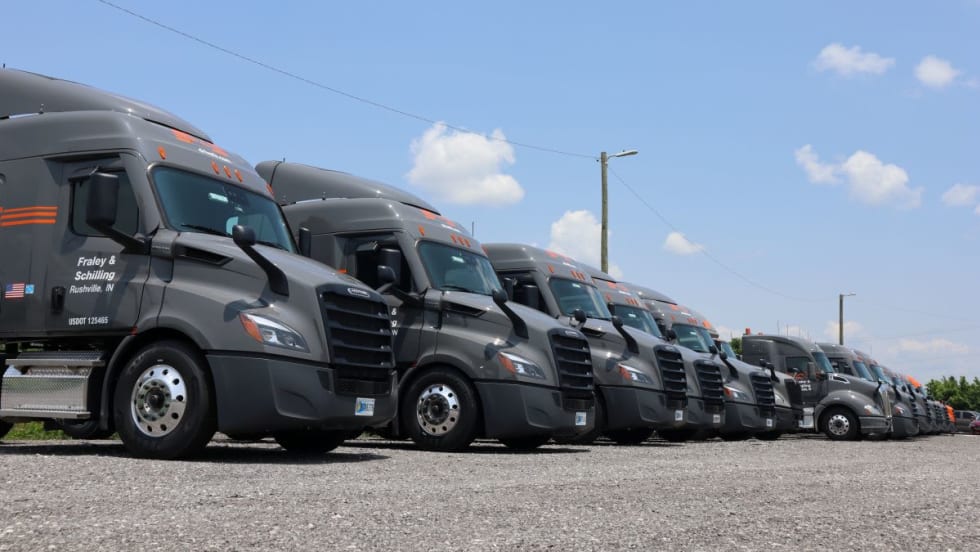
How Fraley & Schilling Improved Logbook Compliance by Over 50%
Fraley & Schilling needed a way to close a compliance workflow gap in its ELD system without adding more work from driver training, reminders, and back-office follow-ups. It found the answer in a custom driver app.
Read More →
Volvo Goes Gaming
Volvo has roared into American Truck Simulator with two new flagship trucks.
Read More →
What the Best Fleets to Drive For Teach About Driver Retention
Survey fatigue, AI-powered routing, owner-operator expectations, and the decline of social media all emerged as themes from this year's Best Fleets to Drive For program.
Read More →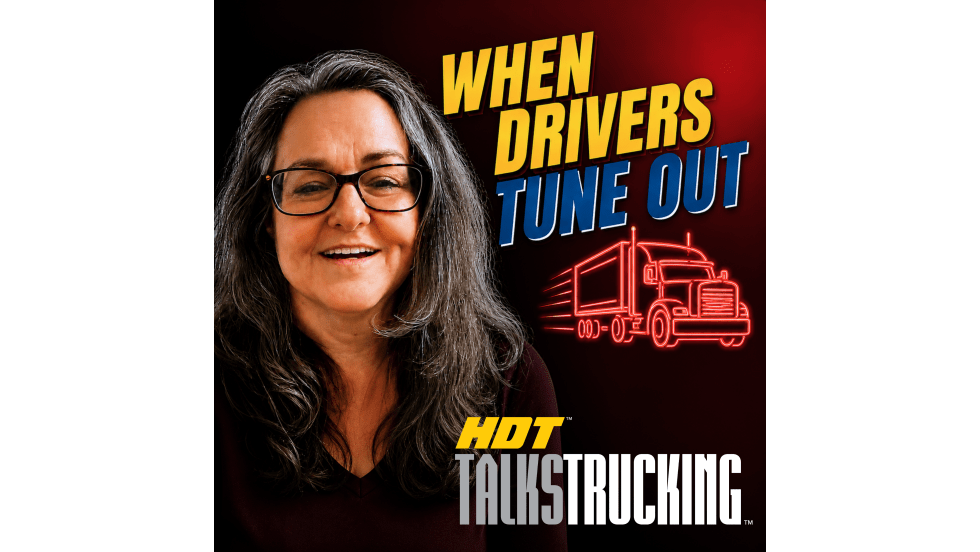
Driver Retention Lessons From the Best Fleets to Drive For
What separates trucking's best workplaces from the rest? Jane Jazrawy shares the biggest lessons from this year's Best Fleets to Drive For program on driver retention, communication, AI, and workforce trends on the HDT Talks Trucking podcast.
Read More →
Farewell, CDL: Why I'm Giving Up My Commercial Driver's License
After more than 20 years as a CDL holder, HDT Executive Editor Jack Roberts is letting his commercial license expire. Not because he wants to — but because trucking's nuclear verdict crisis has made the risks of public-road test drives too great for editors, manufacturers, and everyone involved.
Read More →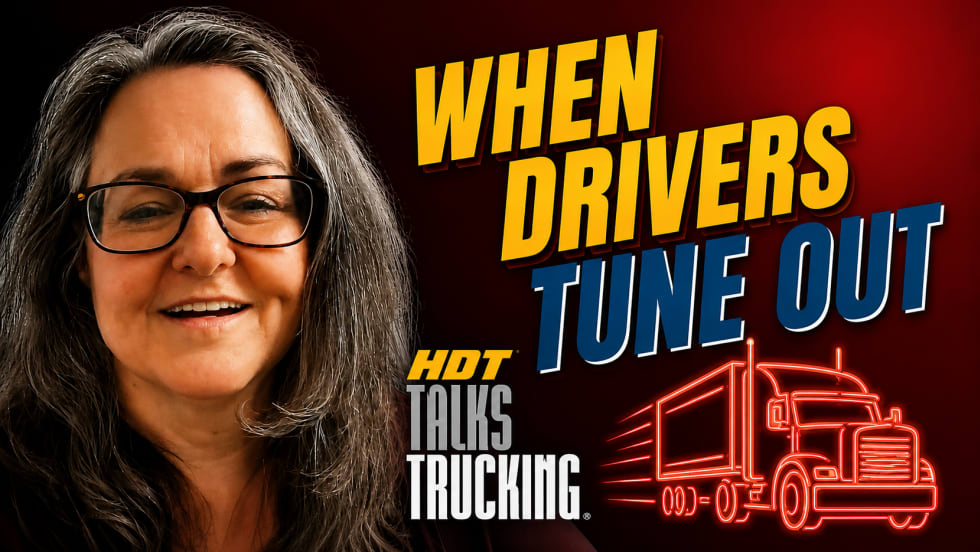
How Top Trucking Fleets Improve Driver Retention [Video]
What do healthy snacks, optimized routing, and just picking up the phone have in common? They're all strategies the Best Fleets to Drive For are using to retain truck drivers.
Read More →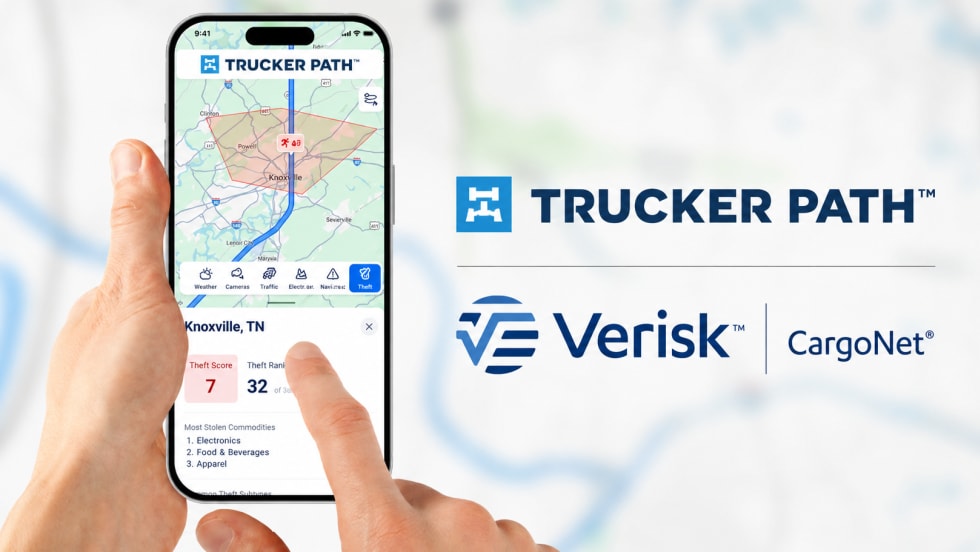
Trucker Path Adds Verisk CargoNet Theft Data to Navigation Platform
Trucker Path’s new cargo theft risk overlays give drivers and fleets visibility into high-risk areas, stolen commodity trends, and theft hotspots.
Read More →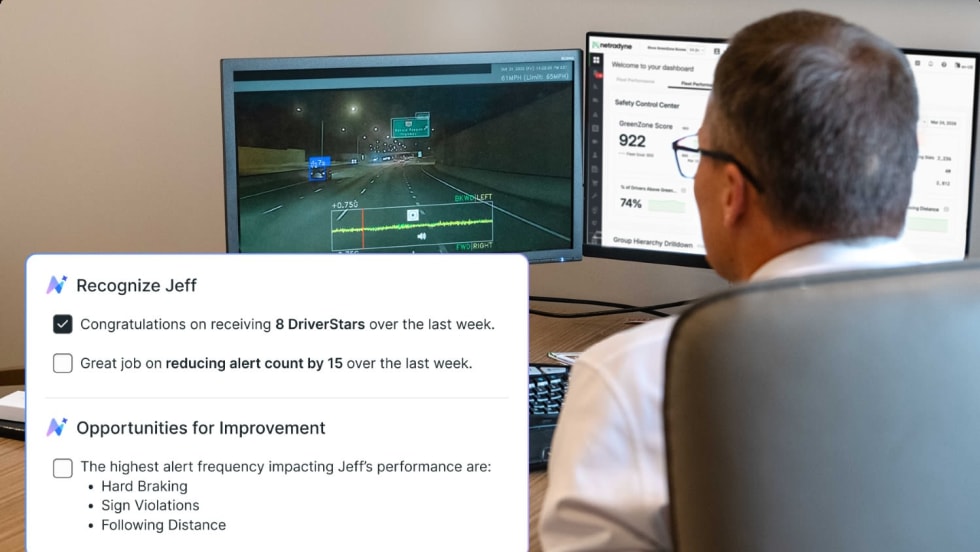
Netradyne Intelligence Uses New AI Agents to Automate Response to In-Cab Camera Data
The company called the next-generation in-cab camera safety platform "a fundamental shift from systems that report on what happened to systems that actively drive what should happen next."
Read More →
Why Truck Detention Keeps Costing Fleets Time and Money
A 2024 ATRI study found detention affects nearly 40% of truckload stops and costs the industry more than $15 billion annually. Despite the toll on drivers, fleets, and supply chains, the problem remains stubbornly persistent.
Read More →