




Mack's LR Refuse Truck Caters to Drivers
Mack Trucks introduced the Mack LR low-entry cabover refuse model designed for enhanced maneuverability, increased driver comfort and better visibility.
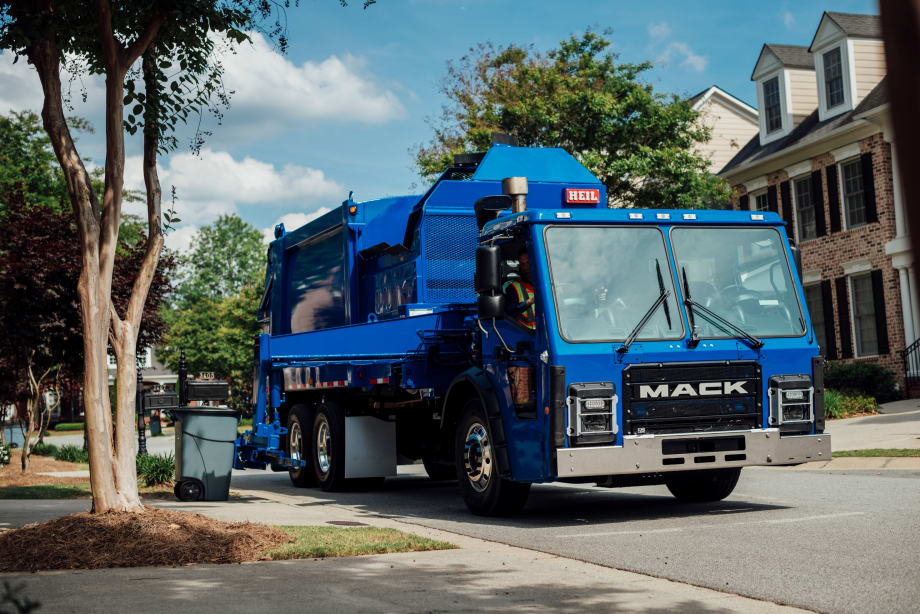
Photo: Mack Trucks

Mack Trucks introduced the Mack LR low-entry cabover refuse model designed for enhanced maneuverability, increased driver comfort and better visibility.
The Mack LR model is available in three-axle 6x4 configurations and can be powered by diesel or natural gas. An 11-liter Mack MP7 diesel engine is standard, delivering 325-245 horsepower and 1,200 to 1,280 lb.-ft. of torque. The engine is routed through an Allison RDS five-speed or six-speed automatic transmission. A Cummins Westport ISL G natural gas engine is optional.
“The Mack LR model is the latest example of our commitment to application excellence,” said Stephen Roy, president of Mack Trucks North America. “By incorporating customer feedback into the LR design, we’ve built a safer, more comfortable work environment for drivers, boosting productivity and driver retention.”
The LR’s cab features a driver centric environment including tilt and telescopic steering columns, power windows and power door locks, memory mirrors, in-dash air conditioning, standard in-cab LED lighting and an instrument cluster with color LCD display. The interior also features column-mounted main gauge pods for right-hand and left-hand driving positions for better gauge visibility and ergonomics.
The cab has centrally mounted radio and HVAC controls, accessible form both driving positions. For better outer visibility, the rear-cab windows wrap around the rear cab corners and for easier driver ingress and egress, the LR features large cab doors.
The LR also offers center storage for lunch coolers, drinks, food and entertainment devices and an additional rear-wall unit offers two more levels of storage.
Designed with body builders in mind, the Mack LR offers additional access points and mounting locations for wiring, controls and joysticks. Mack’s body builder support group is available to simplify the process and ensure better communication with body builders, dealers and customers.
More Drivers

Drivers Put Western Star Trucks to the Test at Star Nation Experience
Watch to get an inside look at the Western Star trucks, technology, and community behind the Star Nation Experience 2026!
Read More →
Trump Administration Looks to Put More Veterans Behind the Wheel
The Freedom Haulers program pulls together existing and expanded programs at several federal agencies to recruit veterans to drive commercial heavy-duty trucks and cut the red tape for them to get a CDL, training, and employment.
Read More →
Putting Mack’s Command Steer to the Test
A test drive of Mack’s Command Steer active steering system evaluates how it can make truck driving easier and less tiring.
Read More →
Competition Heating Up for Truck Drivers
New report reveals rising driver hiring costs, the return of sign-on bonuses, growing AI advantages, and the operational factors shaping driver retention.
Read More →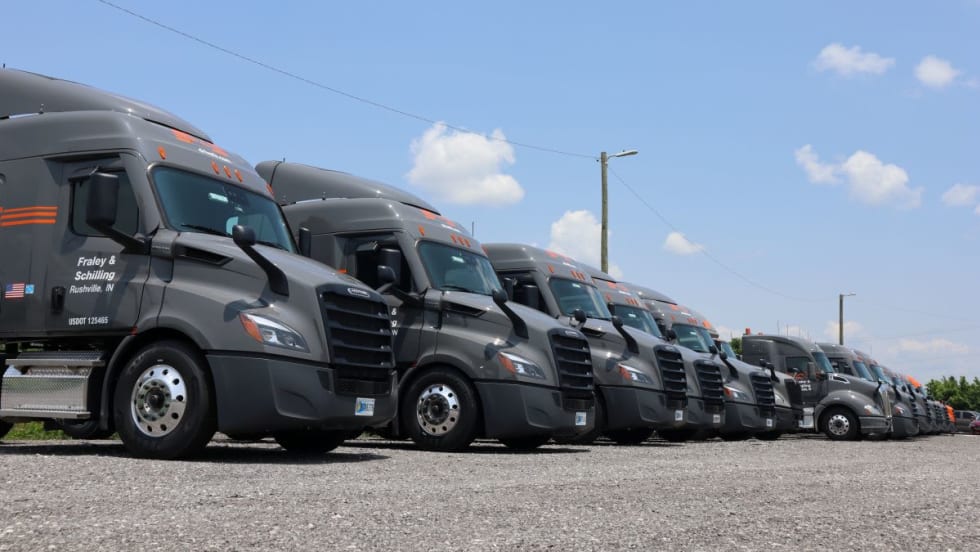
How Fraley & Schilling Improved Logbook Compliance by Over 50%
Fraley & Schilling needed a way to close a compliance workflow gap in its ELD system without adding more work from driver training, reminders, and back-office follow-ups. It found the answer in a custom driver app.
Read More →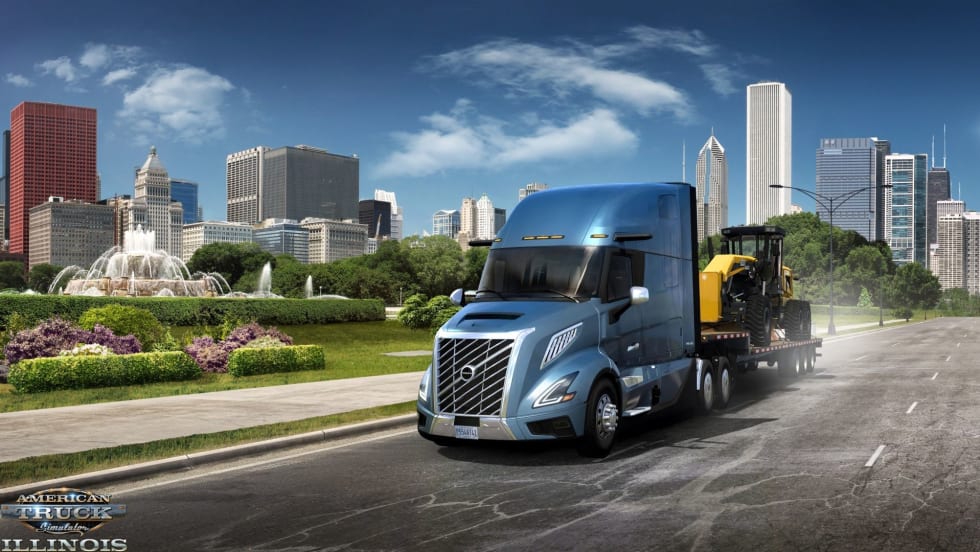
Volvo Goes Gaming
Volvo has roared into American Truck Simulator with two new flagship trucks.
Read More →
What the Best Fleets to Drive For Teach About Driver Retention
Survey fatigue, AI-powered routing, owner-operator expectations, and the decline of social media all emerged as themes from this year's Best Fleets to Drive For program.
Read More →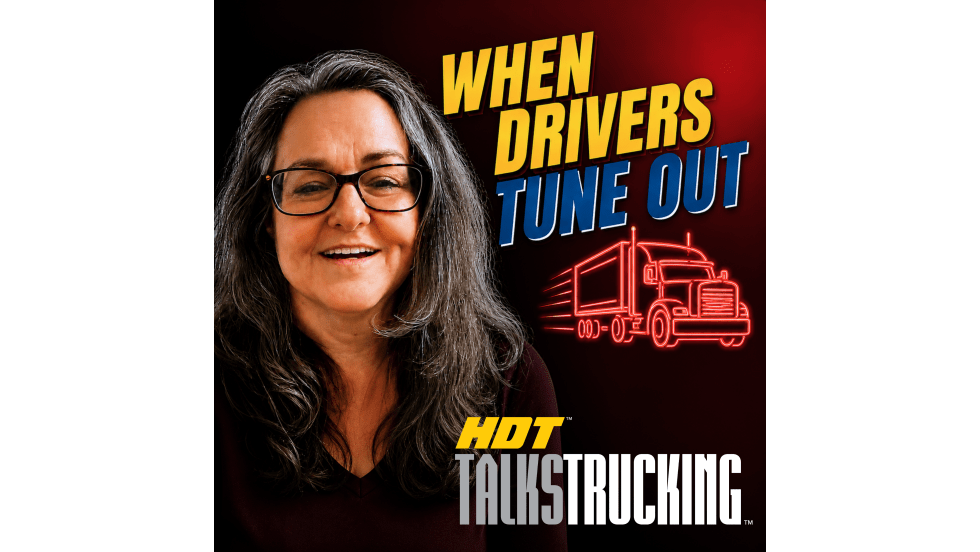
Driver Retention Lessons From the Best Fleets to Drive For
What separates trucking's best workplaces from the rest? Jane Jazrawy shares the biggest lessons from this year's Best Fleets to Drive For program on driver retention, communication, AI, and workforce trends on the HDT Talks Trucking podcast.
Read More →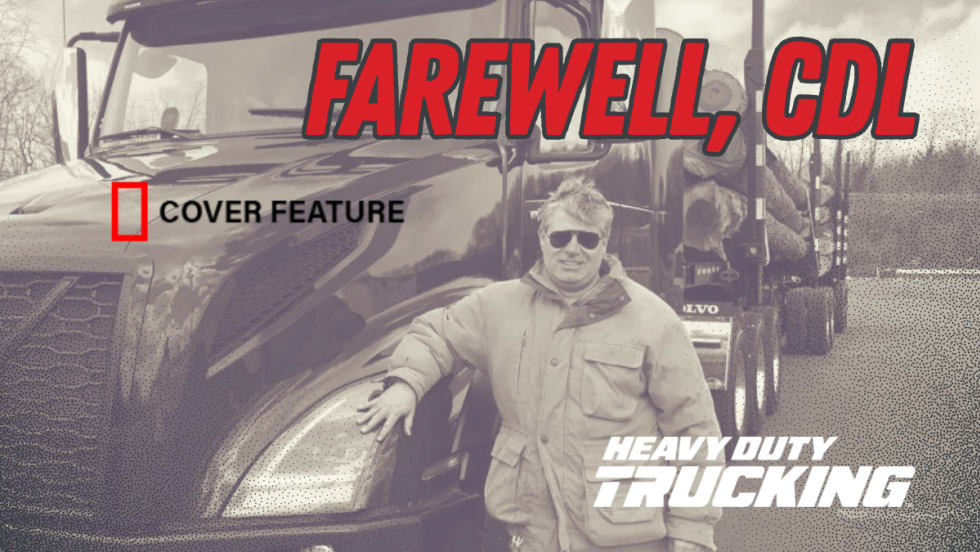
Farewell, CDL: Why I'm Giving Up My Commercial Driver's License
After more than 20 years as a CDL holder, HDT Executive Editor Jack Roberts is letting his commercial license expire. Not because he wants to — but because trucking's nuclear verdict crisis has made the risks of public-road test drives too great for editors, manufacturers, and everyone involved.
Read More →
How Top Trucking Fleets Improve Driver Retention [Video]
What do healthy snacks, optimized routing, and just picking up the phone have in common? They're all strategies the Best Fleets to Drive For are using to retain truck drivers.
Read More →