




LTL Carriers Transporting Households Not Subject To HHG Regulations
Government agencies have ruled that new services from less-than-truckload carriers that transport household goods are not subject to the same consumer protection regulations as traditional household goods movers
Government agencies have ruled that new services from less-than-truckload carriers that transport household goods are not subject to the same consumer protection regulations as traditional household goods movers.
The debate stems from a request by the American Moving and Storage Assn. asking the U.S. Department of Transportation and the Surface Transportation Board to rule that special authority is needed even if a trucking company hauling household goods doesn’t offer packing/unpacking or loading/unloading services.
At issue are Consolidated Freightways' CFMovesU service and ABF's U Pack Moving Program. These services allow customers to pack a pup trailer with their belongings. Then the trailer is hauled by regular LTL drivers, and unpacked at the other end by the customer. AMSA has argued that such a service requires the carriers to obey consumer protection rules developed for the moving and storage industry, governing such things as coverage for lost or damaged goods, and liability for customers that are injured during the loading or unloading process.
The STB has once again bowed out of the general freight versus household goods carrier debate. Last March STB ruled that it has authority over household goods tariffs and liability limits, but not licensing. At the movers’ request, the agency reviewed that decision but came to the same conclusion.
The agency noted that another DOT agency, the Federal Motor Carrier Safety Administration, has jurisdiction over carrier licensing. FMCSA has in fact already determined that, based on the information given to them by the movers’ group, general freight carriers hauling crated household goods do not need household goods carrier licenses.
FMCSA's decision was based on precedents set by the Interstate Commerce Commission in 1939, 1956 and 1966 dealing with issues of household goods operating authority. Acting Deputy Administrator Julie Anna Cirillo, in a letter to AMSA President Joe Harrison, wrote that "the ICC expressly declined to apply the household goods regulatory requirement to general freight carriers transporting crated household goods." These decisions focused on the type of service provided instead of whether the commodities being hauled fell within the legal definition of household goods, she pointed out.
AMSA had argued that the ICC Termination Act of 1995, which transferred many of the ICC's duties to the DOT, had substantially changed the regulatory framework for transporting household goods. FMCSA disagreed. "There is no evidence that Congress intended to change the regulatory treatment of residential household goods transportation," she said.
Harrison has said the association will seriously consider seeking a legislative solution from Congress to help clarify this issue.
"We don't believe Congress ever intended for consumers to be denied the regulatory protections of federal law when their prized possessions are moved across state lines, or that decades-old ICC decisions preclude such necessary protections," he said.
More Drivers
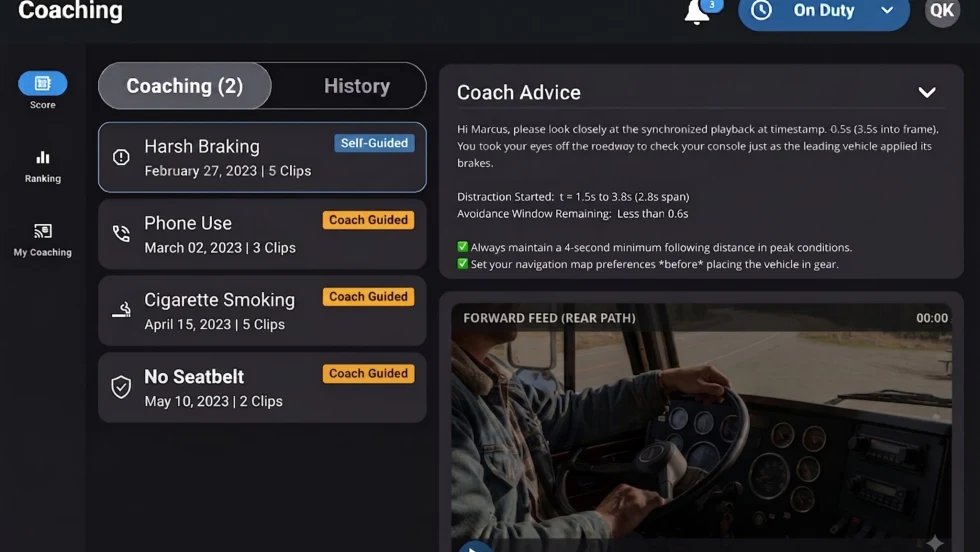
Platform Science Adds Dispatch and Safety Tools
Four additions to PS Fleet help fleets monitor loads, manage driver coaching, share truck locations and adjust video system settings.
Read More →
When Language Stops the Truck: The Return of ELP Out-of-Service Orders
English language proficiency rules for commercial drivers aren’t new, but renewed out-of-service enforcement has raised the stakes. Here’s what carriers need to know before a driver reaches a roadside inspection.
Read More →
Samsara Launches Custom AI Agent Builder
Agent Studio lets fleets create AI tools for hours-of-service monitoring, reporting and driver support, including agents that communicate by phone.
Read More →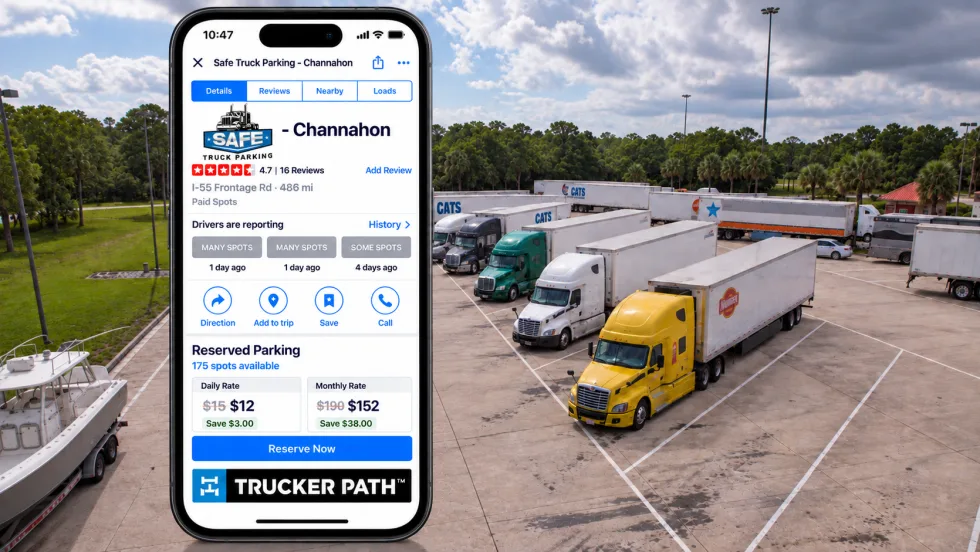
Trucker Path Expands Reserved Parking Network
Trucker Path has added close to 6,000 more truck parking spaces to its Trucker Path Reserved Parking Network with the addition of Safe Truck Parking.
Read More →
EEOC Sues Texas Trucking Company Over Driver Age Limits
The agency says Trancasa USA rejected applicants over 65 and applied tougher driving-record standards to those over 60.
Read More →
Nussbaum, Roehl Announce Second Driver Pay Increase This Year
This year has seen a swath of major truck driver pay increases as freight capacity has tightened.
Read More →
From One Generation to the Next: How Mentorship Builds Safer Truck Drivers
After three decades in trucking, Harold Perry shares what he's learned about driver safety, mentorship, and helping the next generation build confidence behind the wheel.
Read More →
Truck Drivers Need More Than Another Alert
Fleets have more visibility into truck health, safety events, and driver activity than ever. The next challenge is turning all that information into useful guidance for the person who has to decide what to do next.
Read More →
FMCSA Removes 110 Truck Driver Training Schools from Certified ELDT List
Federal regulators also are targeting more than 160 additional training providers and launching a nationwide audit of third-party CDL skills testers as part of a broader crackdown on trucking fraud.
Read More →
Hours of Service Pilot Programs: FMCSA Readies for 2027 Rollout
Two pilot programs could eventually reshape hours-of-service rules, giving truck drivers options to pause their 14-hour clock or use longer split sleeper rest periods.
Read More →