





Related: 6 Trends to Track in 2016
Logistics M+A Boom Echoes into New Year
A new report reveals that nearly 48% of shippers regard M+A activity in logistics as a positive and just over 39% embrace the M+A frenzy because they prefer full-service logistics providers that offer a wider geographical reach.
January 7, 2016

Image via Eyefortransport
3 min to read

Image via Eyefortransport
With 2015 winding up as a boom year for mergers and acquisitions in the logistics industry, a new report reveals that nearly 48% of shippers regard M+A activity in logistics as a positive and just over 39% embrace the M+A frenzy because they prefer full-service logistics providers that offer a wider geographical reach.
That’s per the latest bi-yearly Hot Trends outlook issued by eft Supply Chain and Logistics Business Intelligence, a unit of U.K-based Eyefortransport Ltd.
The report, based on the firm’s industry knowledge as well as the opinions of 300 supply chain and logistics executives, also found that over 60% of those surveyed currently use or will use predictive analytics by 2018.
In addition, almost 69% of the respondents “think millennials will change the way consumers buy, which will in turn affect how supply chains are managed.”
Logistics service providers, for the most part, are as upbeat about the M+A activity as shippers. “Most logistics providers [45.5%] stated that the consolidation taking place was helpful, as it was making sense of a fragmented industry.”
But 22.73% of the LSP respondents were “concerned about the heated M+A activity, suggesting this was going to increase competition in the logistics space. A further 12.73% of respondents said they were looking to make acquisitions to better position themselves in light of other M+A moves.
The report’s author, Haley Garner, head of Research and Content, pointed out the firm is currently “seeing some major consolidation taking place in the shipping industry and can expect to see further moves as logistics providers look to take advantage of eCommerce, cross-border trade and shifting global demand. While 45.45% of respondents were comfortable with the M+A activity, and a further 13.6% had been acquired or were looking to be acquired, it is the 40.91% concerned respondents that stands out in the survey.
“It seems that LSPs are stuck between satisfactions with their current position in the industry, and alarmed at these recent developments,” he continued. “Time will tell which business are in a better position moving forward.”
Garner noted that when it comes to the 40.91% with concerns, “what we can say is there will be a percentage whose reaction is due to some form of response lag to current business trends as well as a percentage who are proactively responding to the changing business environment of logistics services.”
“The M+A activity in the logistics space is likely to continue into 2016,” he concluded. “Shippers indicated that this was something they preferred given the rise of the ‘full-service’ logistics provider. From the logistics perspective, there is a certain degree of nerves with many providers looking to counter what their peers have done in terms of inorganic growth.”
The full Q1 2016 Hot Trends in Supply Chain and Logistics Reportcan be downloaded.
More Fleet Management

Public Wi-Fi Cybersecurity Risks: How Truck Drivers and Fleets Can Protect Their Data
Public Wi-Fi can expose truck drivers and fleets to credential theft, malware, and other cyber threats. Here’s how to reduce the risk on the road.
Read More →
For Nicky Cupp, Fleet Innovation Starts With Frustration
HDT Truck Fleet Innovator Nicky Cupp turns everyday pain points at Fraley & Schilling into opportunities for better technology and smarter processes.
Read More →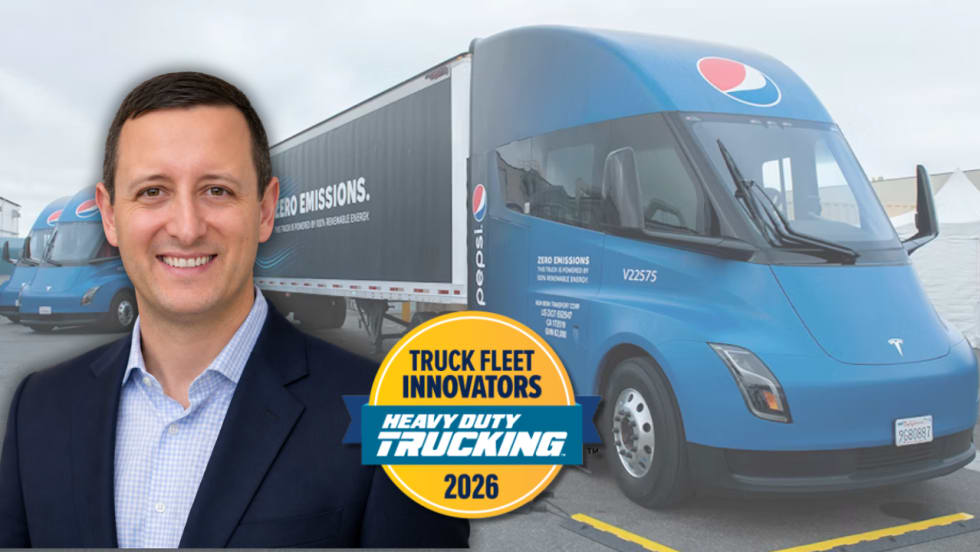
Adam Buttgenbach’s Approach to Electric Trucks: Start With Where They Fit
HDT Truck Fleet Innovator Adam Buttgenbach helped PepsiCo build one of North America’s largest EV fleets by focusing on where electric trucks make operational sense.
Read More →
Deen Albert: Let Automation Do the Math, People Make the Decisions
HDT Truck Fleet Innovator Deen Albert makes sure people are still at the heart of operations at Grand Island Express, even while adopting artificial intelligence tools. AI-assisted dispatch helped boost revenue 25% with the same number of trucks.
Read More →
Trimble’s New AI Agent Takes Aim at Fleet Back-Office Busywork
Arc Agent works across Trimble TMS products to automate repetitive tasks such as freight orders, maintenance, invoices, fuel costs and more.
Read More →
How HDT’s 2026 Truck Fleet Innovators Are Rethinking Fleet Operations
Meet five trucking leaders who are challenging assumptions, solving operational problems, and putting innovative ideas to work.
Read More →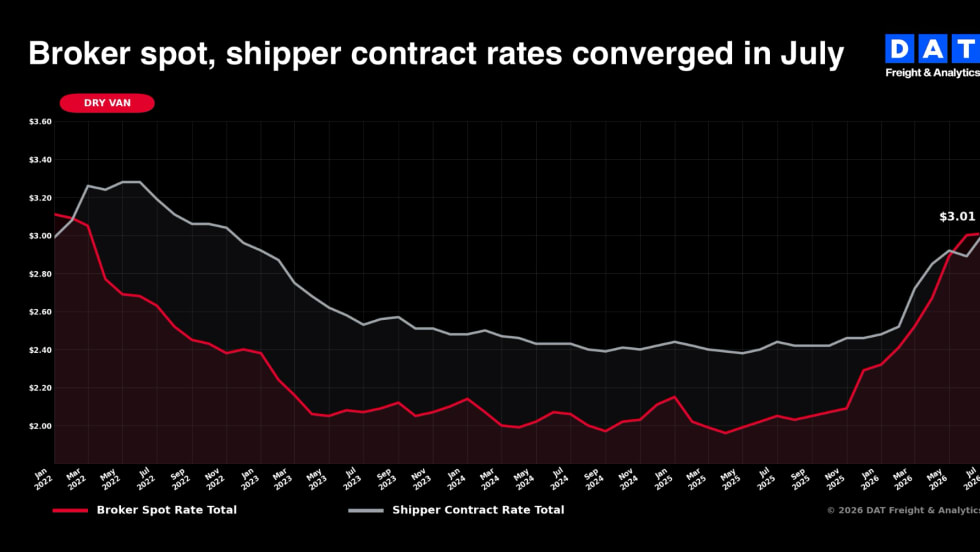
Tight Trucking Capacity Pushes Rates Higher Even as Freight Volumes Fall
“Spot rates moving ahead of contract rates have historically signaled a tightening market, but we haven’t seen a capacity-driven market quite like this one,” said DAT's Dean Croke.
Read More →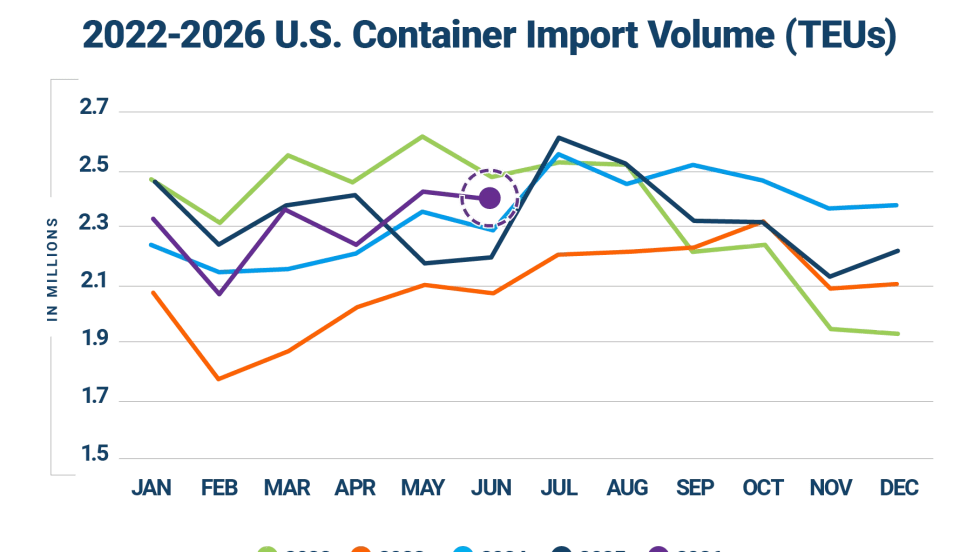
Import Cargo’s Early Peak Season is Winding Down
There was an early start to peak season this year at the nation's gateway ports, as retailers brought in merchandise ahead of tariff changes in late July and responded to other supply chain uncertainties,
Read More →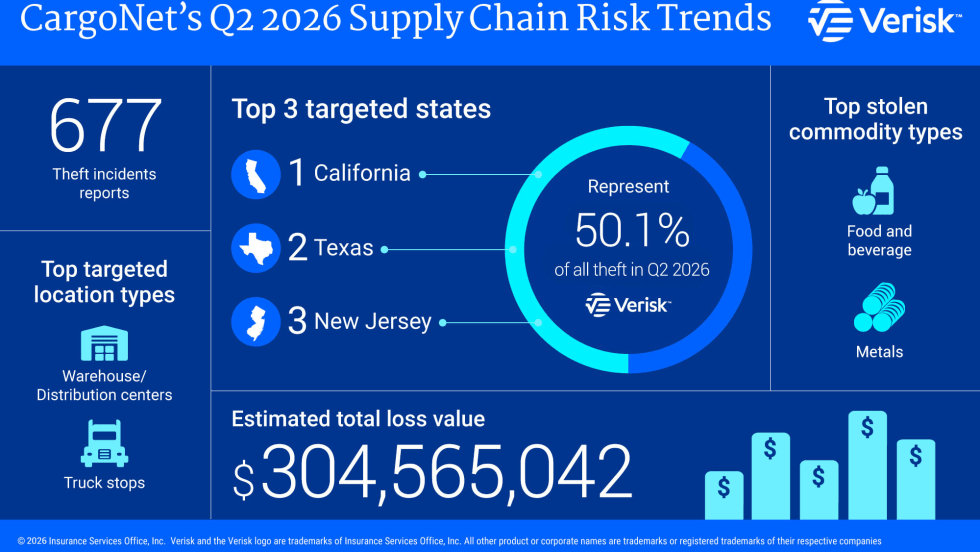
Fewer Cargo Thefts, Bigger Losses: Criminals Target Higher-Value Loads
CargoNet says organized theft rings are stealing fewer shipments but choosing more valuable freight, including metals and technology, resulting in record losses.
Read More →
How Innovative Trucking Leaders Turn Change Into an Advantage
As the pace of change accelerates in trucking, the fleets that adapt best have more than the latest technology. They have cultures that embrace improvement.
Read More →